
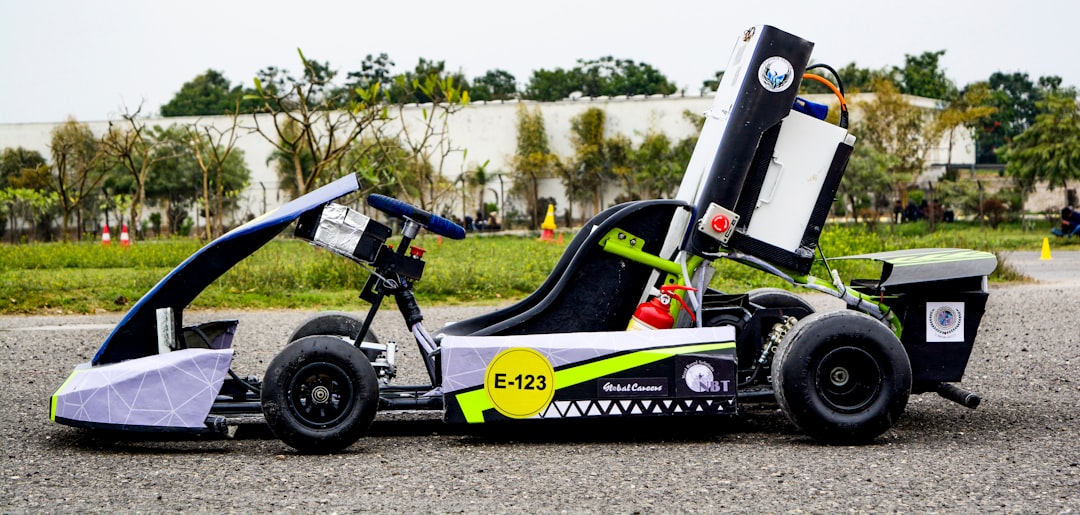
Ask ten fast drivers to name the best go kart chassis and you will get four brands and one consistent truth: the right frame depends on what you race, who supports it locally, and how straight it is. There is no single best kart — but there are clear tiers, and there are chassis that are objectively wrong for your class and weight. This 2026 roundup ranks the major players by use case (sprint racing, LO206, kid karts, and budget used buys), explains what actually separates a great frame from an average one, and helps you spend your money where it counts.
What Makes the Best Go-Kart Chassis
A kart has no suspension, so the frame itself flexes to lift the inside rear wheel through corners. That makes four things matter far more than paint schemes:
Tubing spec. Most racing chassis use 30mm chromoly tubing; shifter frames run 32mm or a 30/32 mix. Tube diameter, wall thickness, and heat treatment set the baseline flex character.
Adjustability. Good chassis offer adjustable caster/camber pills, multiple axle stiffnesses, seat strut options, and front and rear track width tuning. Cheap frames lock you into one setup.
Parts support. Spindles, bearing hangers, and bumpers are consumables when racing gets close. A brand with a trackside dealer beats an exotic import every time.
Straightness and condition. A $1,500 straight frame beats a $4,000 bent one. Full stop.
Types: The Brand Tiers in 2026
Top tier — OTK (Tony Kart/Kosmic/Exprit), CRG, Birel ART. The proven global benchmarks. OTK is the most raced platform in the world with unmatched spares availability. CRG frames are known for a wide, forgiving setup window. Birel ART rewards committed driving and has strong US distribution. You cannot go wrong with any of these; local support should break the tie.
Strong challengers — Compkart, Sodi, Parolin, DR. Genuinely front-running frames, often with better pricing or dealer attention than the giants. Compkart in particular has built a loyal US following with well-sorted 4-stroke and TaG packages.
American 4-stroke specialists — Margay, Coyote, MGM. Purpose-built for LO206 racing, with flex characteristics tuned for low-horsepower, hard-tire classes. On a 206 grid, a Margay Ignite is frequently faster than a Euro sprint frame designed around soft tires and 25+ hp.
Kid kart platforms. Most major brands (Birel ART, Parolin, Margay, Nitro) make dedicated 50cc kid kart frames with shorter wheelbases and softer tubes sized for 5–8 year olds. Buy whatever your local kid kart class supports — parity matters more than pedigree at this level.
Best Chassis by Use Case Compared
| Use case | Top picks | What matters most | Typical price (roller) |
|---|---|---|---|
| Sprint racing (TaG/X30) | OTK Tony Kart, CRG, Birel ART, Compkart | 30mm tubing, full adjustability, dealer support | $4,500–$6,500 new |
| LO206 / 4-stroke | Margay Ignite, Compkart, Coyote | Flex tuned for hard tires and low hp | $3,500–$5,500 new |
| Kid kart (5–8 yrs) | Birel ART, Parolin, Margay, Nitro | Correct sizing, local class parity | $2,500–$4,000 new |
| Shifter | CRG, Tony Kart, Birel ART | 32mm tubing, front brakes | $5,500–$8,500 new |
| Budget used | Any top-tier brand, 1–3 seasons old | Straightness above all | $1,500–$4,000 |
Cost and Considerations
New rollers from top brands run $3,500–$6,500 for single-speed classes, and shifter rollers more — see our dedicated guide to the shifter kart chassis for that world. Add an engine, spares, and the safety kit from our kart racing gear guide, and a complete new race package lands between $6,000 and $14,000 depending on class.
The used market is where value lives. Frames rotate out of national teams after one season with plenty of club-level life left; $2,000–$3,500 buys a genuinely competitive recent roller. The risks are bends, cracks, and worn-out components: always check the frame on a flat table or laser jig, inspect welds around the bearing hangers and steering column, and price in fresh bearings and a seat.
Also budget for tires — they cost more than chassis depreciation over a season. Our guide to racing go-kart tires breaks down compound costs by class.
How to Choose the Best Go-Kart Chassis for You
Work through this order: class first — an LO206 frame and an X30 frame are different tools, so let your local grid dictate the category. Support second — pick the brand your nearest race shop stocks and tunes; free setup advice at the track is worth seconds a lap. Condition third — verified straight beats newer-but-crashed. Brand last — among the top tiers, the driver and setup decide races, not the sticker.
If you are still deciding between single-speed and gearbox racing, our sprint vs shifter karts comparison will settle the class question before you spend chassis money. And drivers with pro ambitions should note that scouts watch results, not equipment — as we cover in professional go-kart racing, front-running a modest chassis reads better than mid-packing a factory one.
Pros and Cons of Buying a Top-Tier Chassis
Is the premium for OTK, CRG, or Birel ART worth it? Honestly, usually — but not always.
Pros
- Proven flex characteristics with setup data available everywhere
- Deep parts availability, including trackside at most races
- Full adjustability of caster, camber, axles, and track width
- Strong resale value keeps total cost of ownership reasonable
Cons
- Premium pricing over challenger brands for similar hardware
- A top frame will not fix driving or setup fundamentals
- National-level hype cycles push unnecessary yearly upgrades
- Some Euro frames underperform on hard-tire 4-stroke classes
Frequently Asked Questions
What is the best go-kart chassis brand?
What chassis is best for LO206 racing?
How much does a good racing kart chassis cost?
Does chassis brand really matter in karting?
How long does a racing kart chassis last?
Should I buy a new or used kart chassis?
Final Thoughts
The best go kart chassis in 2026 is the straight one, in the right category, backed by a dealer at your track. OTK, CRG, and Birel ART earn their reputations; Compkart and Margay win their niches; and a verified-straight used roller from any of them is the smartest first purchase in karting. Settle your class with our sprint vs shifter comparison, then buy support, condition, and seat time — in that order.