

Electric go-karts have grown from simple battery ride-ons into a broad category that spans 24V backyard karts, 48V and 72V adult machines, off-road buggies, two-seaters and purpose-built electric racing karts. This guide is the hub for all of it. It explains how an electric go-kart works, how voltage, batteries and motors shape speed and range, how electric compares with gas, what adult, off-road and racing karts offer, and how to convert or build your own. Whether you are buying a first electric kart, upgrading a battery or planning a high-power conversion, start here to understand the fundamentals, then follow the links to our detailed guides and product roundups.
Top picks
These are the standout electric karts and parts from our electric roundups.
| Product | Best for | Key features | Price | Buy |
|---|---|---|---|---|
| Segway Ninebot Gokart Pro 2 | Best overall for teens and adults |
| $2,499.99as of Nov 17, 2026 4:17 am EST | Buy now →Check current price |
| Zyliathor 48V Shaft-Drive | Best overall for adults |
| $1,689.00as of Nov 17, 2026 7:46 am EST | Buy now →Check current price |
| Greenworks 60V Stealth 2-Seat | Best two-seat youth kart |
| $2,399.99as of Nov 17, 2026 11:04 am EST | Buy now →Check current price |
| doinal KR5V 72V 5000W kit | Best overall |
| $379.90as of Nov 17, 2026 1:36 pm EST | Buy now →Check current price |
| Lithium Hellas 24V 10Ah | Best lithium upgrade with charger |
| $65.99as of Nov 17, 2026 9:32 am EST | Buy now →Check current price |


Prices are Amazon’s listed prices as of the date and time shown and are subject to change; the price on Amazon at the time of purchase applies. As an Amazon Associate we earn from qualifying purchases.
For the full comparisons: Best Electric Go-Kart is the broadest shortlist, covering teens, adults and two-seaters. The Best Electric Go-Karts for Adults focuses on frame size, weight capacity and top speed for grown-up riders. Best Electric Motor for Go-Karts is for builders choosing a motor and controller kit. Best Electric Go Kart Battery helps owners replace or upgrade a 24V to 48V pack.
How Electric Go-Karts Work
An electric go-kart replaces the gas engine with a battery pack, a motor controller and one or more electric motors. The controller meters power from the battery to the motor based on throttle input, and the motor drives the rear wheels directly through a hub motor or via a chain or belt. Because an electric motor produces strong torque from zero rpm, there is no clutch, no pull-start and usually no gearbox. Our main electric go-kart guide explains each component and how they fit together.
The category is wide. At one end, an electric ride-on go-kart is a toy-grade machine with plastic wheels and modest speeds; at the other, adult karts use steel frames, hydraulic brakes and high-voltage packs. Knowing which end you are shopping in helps you read listings sensibly.
The big question for many buyers is whether to go electric at all. Electric karts are quieter, cleaner and need far less routine maintenance; gas karts usually offer longer run time, quick refueling and lower cost per unit of power. Our full comparison of electric vs gas go-karts covers performance, cost and noise, and our go-kart engine hub covers the gas side.
Voltage, Speed and Size
System voltage is a useful shorthand for where a kart sits in the market. Higher voltage lets a motor produce more power at a given current, so it usually means more speed and torque, though motor size, controller current, gearing and rider weight all matter too. Treat voltage as a rough guide, not a guarantee of performance.
A 24V electric go-kart is typical for children and young teens. 36V electric go-karts cover bigger kids, teens and light adults, while 48V electric go-karts are common for adult recreational and off-road models. At the top end, 72V electric go-karts power high-performance adult machines and many conversion builds.
If speed is your first filter, our guide to the 20 mph electric go-kart covers a popular middle ground for teens and casual adults. If space is your constraint, a small electric go-kart fits tight yards and lighter riders. Speeds in listings are usually measured under ideal conditions with a light rider, so expect less in real use.
Batteries and Charging
The battery is the most expensive single component in most electric karts and the one that wears out first. Sealed lead-acid (SLA or AGM) batteries are cheap and tolerant but heavy, and they lose capacity quickly if stored flat. Lithium packs are lighter, hold voltage better under load and usually last more charge cycles, but they cost more and need a battery management system (BMS) and the correct charger.
Capacity is listed in amp-hours (Ah); multiply by voltage to get watt-hours (Wh), the best single measure of how much energy a pack stores. Run time then depends on rider weight, terrain, speed setting and temperature. Our guide to batteries for electric go-karts covers chemistries, series and parallel wiring, charging and storage.
Good battery habits extend life: charge after every session, never leave lead-acid packs discharged, store lithium packs at partial charge in a cool, dry place, and only use the charger specified by the manufacturer. If you are upgrading from lead-acid to lithium, confirm the controller, charger and mounting space are compatible first.
Motors and Controllers
Most modern electric karts use brushless DC motors, which are efficient and need little maintenance. Brushed motors still appear on cheaper karts and are simpler to control but wear their brushes over time. Hub motors sit inside the wheel and save space; mid-mounted motors drive the axle through a chain or belt and allow gearing changes. Our electric go-kart motor guide explains motor types and ratings, and go-kart electric motors covers sizing a motor for a build.
The controller matters as much as the motor. Its current limit sets how much power the motor can draw, and programmable controllers let you adjust acceleration curves, top speed and regenerative braking. Mismatched motor and controller ratings are a common cause of disappointing performance or overheating.
Electric karts rarely need a gearbox because motor torque is available across a wide speed range, but some racing karts do experiment with gears. Our article on the electric shifter kart explains why most electric karts do not need gears and where they might help.

Electric Go-Karts for Adults
Adult electric karts need a frame that fits, a weight capacity with headroom, and brakes matched to the speed. Check the seat adjustment range against your height and leg length, and look for hydraulic or mechanical disc brakes on faster models. Our guide to electric go-karts for adults covers fit, safety equipment and where you can legally ride.
For speed-focused buyers, our fast electric go-karts for adults guide explains what really drives speed. We also cover the high-performance end with guides to the 50 mph electric go-kart and the 70 mph electric go-kart, where claimed speeds deserve extra scrutiny and safety gear becomes critical.
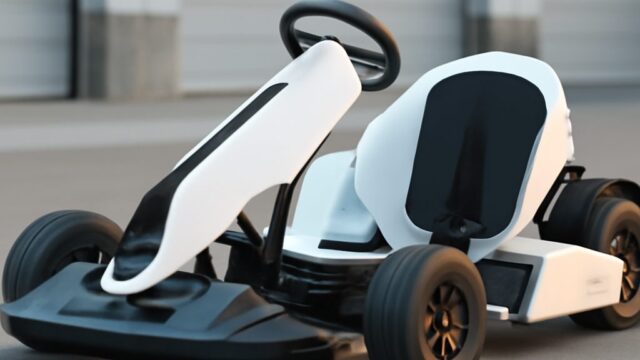
The Segway Ninebot is one of the best-known adult and teen electric karts; our Segway Ninebot Gokart Pro 2 guide covers its modes and who it suits. If you want to share the ride, an electric two-seater go-kart trades some agility for company.

Off-Road Electric Karts
Grass, dirt and gravel demand more from an electric kart: knobby pneumatic tires, more ground clearance, suspension and enough torque to climb. Off-road riding also drains batteries faster than pavement, so expect shorter sessions. Our guide to off-road electric go-karts explains the trade-offs, and the best electric off-road go-kart roundup compares specific models.
For gas and electric off-road machines together, including buggies and terrain advice, see our off-road go-kart hub.
Converting or Building an Electric Kart
Many hobbyists convert a gas kart to electric or build one from scratch. A go-kart electric conversion kit typically bundles a motor, controller, throttle and wiring, leaving you to choose a battery and fabricate mounts. Our guide to the homemade electric go-kart walks through planning a build, and the electric go-kart frame guide covers battery mounts, weight distribution and fit.
Work with high-current DC carefully. Use correctly rated wire and connectors, add a main fuse or breaker and an accessible kill switch, and keep battery packs secured and protected from impacts. For tools, steering and brakes, our how to build a go-kart hub covers the mechanical side, and the go-kart parts hub explains components.
Kids, Drift and Racing Electric Karts
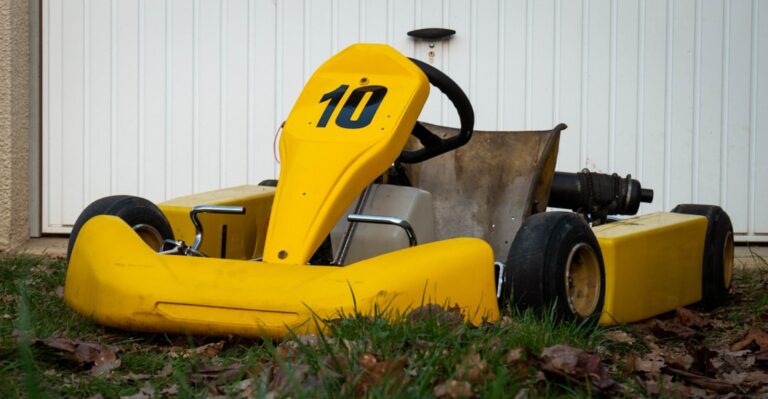
Most children’s karts are electric, and the choice between 12V and 24V, speed lockouts and seat belts is covered in our kids’ go-karts hub. Electric power also suits drifting, since instant torque helps break the rear loose; our drift karts and drift trikes hub covers electric drift karts, the Crazy Cart range and electric drift trikes.
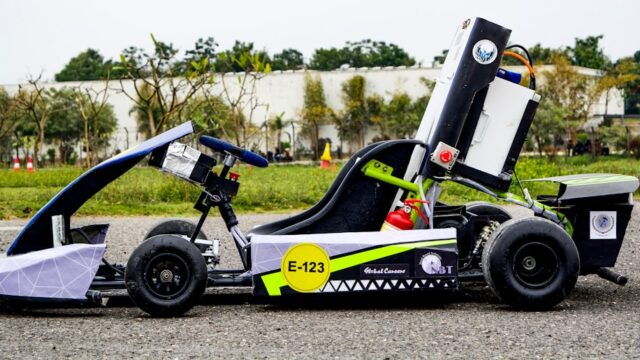
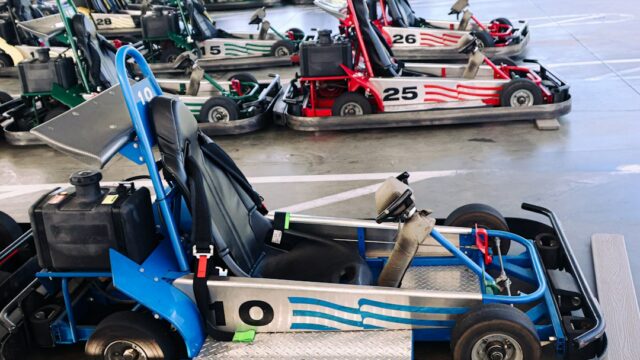
At the competitive end, electric karting is a growing part of the sport, from indoor rental tracks to dedicated electric classes. Our guide to the electric racing go-kart covers how they compare with gas racing karts, and the go-kart racing hub explains how to get started.

Explore every electric go-kart guide
Buying an electric kart






Voltage and battery guides



Motors, starters and builds



Frequently Asked Questions
How fast do electric go-karts go?
How long does an electric go-kart battery last per charge?
Is an electric go-kart better than a gas go-kart?
Can I convert a gas go-kart to electric?
What voltage electric go-kart should I buy?
Do electric go-karts need much maintenance?
Final Thoughts
Electric go-karts are the easiest, quietest and lowest-maintenance way into karting, and the range now covers every rider from young children to adults chasing serious speed. Settle your rider size, surface and budget first, then compare specific machines in our best electric go-kart roundup. If you are still deciding on a power source, our beginner’s guide to karting is a useful next read.