
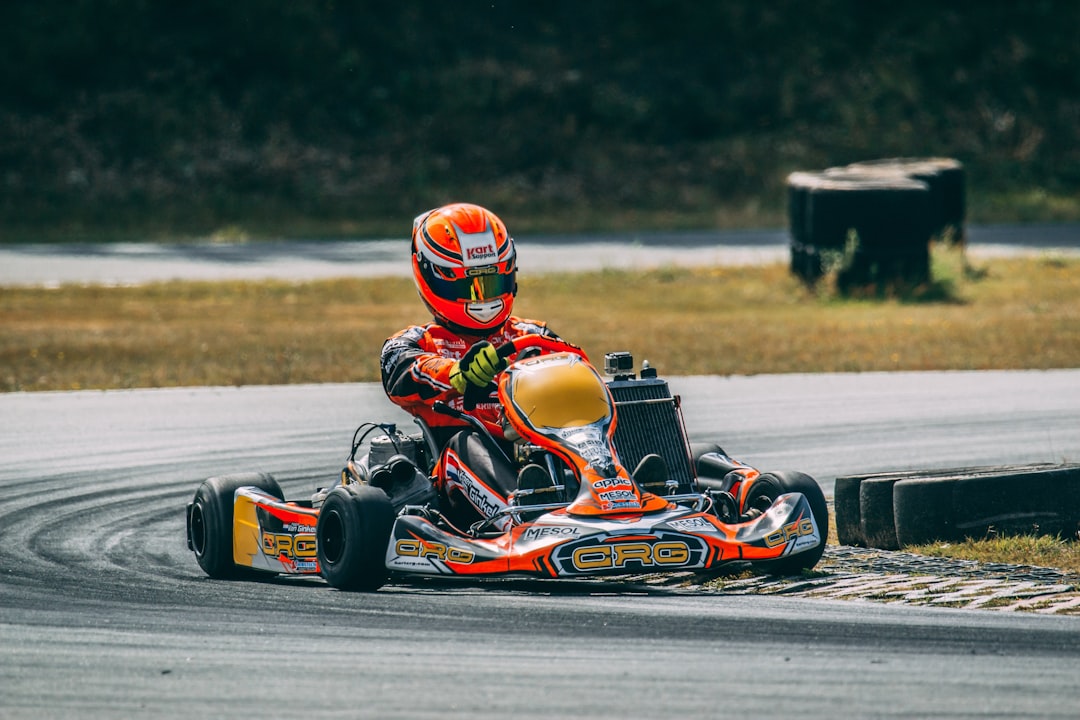
If you are ready to start a build, the hardest part is choosing quality parts that actually work together. We pulled together the four DIY components we recommend most for a first or second go-kart build: a proven frame kit, the standard engine, a smooth-shifting torque converter, and a real hydraulic brake kit. Each one is covered in detail in our complete build guide, and this roundup helps you pick fast.

Predator 212cc Hemi Go-Kart Engine
The Predator 212cc is the go-to single-cylinder engine that powers the vast majority of DIY mini bikes and go-karts.
Compared
Here is how our four core picks stack up at a glance. Engines, frames, and drivetrain parts serve different roles, so the comparison is about fit and value within each category rather than head-to-head speed.
| Product | Rating | Price | Buy |
|---|---|---|---|
| Predator 212cc Hemi Go-Kart Engine Best Overall | ★★★★★★★★★★4.7 | $179 | Check Price |
| Azusa 6150 Go-Kart Frame Kit Best Frame Kit | ★★★★★★★★★★4.3 | $399 | Check Price |
| Comet 30 Series Torque Converter Kit | ★★★★★★★★★★4.5 | $139 | Check Price |
| Go Kart Hydraulic Disc Brake Kit with Master Cylinder Best Safety Upgrade | ★★★★★★★★★★4.2 | $59 | Check Price |
Reviews
Predator 212cc Hemi Go-Kart Engine
The Predator 212cc is the go-to single-cylinder engine that powers the vast majority of DIY mini bikes and go-karts.
- Massive aftermarket support
- Honda GX200 clone reliability
- Easy 3/4 inch keyed shaft
- Cheap to buy and repair
- No electric start
- Stock governor limits top speed
The Predator 212cc is the engine we recommend to almost every first-time builder. It is a Honda GX200 clone, so it is dependable, and its aftermarket is enormous – flywheels, air filters, carbs, and stage kits are all a click away. Stock power is around 6.5 HP, plenty for a single-seat kart, and the 3/4 inch keyed shaft accepts common clutches and torque converters. Leave the governor in for your first runs, then unlock more speed as you gain confidence.

Azusa 6150 Go-Kart Frame Kit
A welded steel roller frame kit that gives DIY builders a proven chassis, seat, and steering base to bolt an engine onto.
- Pre-welded steel chassis
- Includes steering and pedals
- Great for first builds
- Wide replacement part support
- Wheels and engine not included
- Assembly hardware can vary
The Azusa 6150 frame kit is our top pick for anyone who does not want to weld. It arrives as a pre-welded steel roller with steering column, wheel, and brake pedal included, so you only add an engine, drivetrain, wheels, and brakes. It is rigid, well proven, and has strong replacement-part support, which makes it an ideal learning chassis. Just remember it is a bare roller – budget for the parts it does not include.

Comet 30 Series Torque Converter Kit
A centrifugal CVT torque converter that replaces a simple clutch for smoother launches and better hill-climbing torque.
- Smooth automatic engagement
- Better torque and hill climbing
- Fits common 3/4 inch shafts
- Reduces clutch burnout
- Needs correct belt sizing
- More setup than a clutch
The Comet 30 Series torque converter turns a peaky small engine into a friendly, easy-to-drive kart. As a CVT, it automatically varies the ratio for strong torque off the line and a higher cruising speed, and it dramatically reduces the clutch burnout that plagues centrifugal setups on hills. Sized for engines up to roughly 8 HP with a 3/4 inch bore, it is the natural drivetrain match for a 212cc build – just confirm your belt size before installing.

Go Kart Hydraulic Disc Brake Kit with Master Cylinder
A complete hydraulic disc brake kit with caliper, rotor, and master cylinder for reliable stopping power on a live axle.
- Strong consistent stopping
- Complete bolt-on kit
- Fits 1 inch live axles
- Affordable safety upgrade
- Requires bleeding to set up
- Rotor collar bore must match axle
Brakes are the one system you should never cheap out on, and this hydraulic disc kit delivers consistent, powerful stopping on a 1 inch live axle. It bundles the master cylinder, line, caliper, and rotor, so it is a complete bolt-on upgrade over weak band or cable brakes. Plan to bleed the system during setup and verify that the rotor collar bore matches your axle, and you will have braking you can trust.
How to Choose
Start with the chassis, because everything else references it. If you cannot weld, a roller kit is the obvious choice; if you can, a scratch frame lets you tune the wheelbase and seat position. Next comes the engine – the Predator 212cc is the safe default, and its parts availability alone justifies the pick. Choose your transmission based on terrain: flat pavement can get away with a clutch, but any hills strongly favor a torque converter. Finally, treat brakes as non-negotiable and go hydraulic. For a full parts list, cost breakdown, and assembly order, work through our step-by-step build guide, and if you are still weighing DIY against a finished ride, our cost guide and beginners guide will help you decide.
FAQ
What is the best engine for a DIY go-kart?
Do I need to weld to build a go-kart?
Is a torque converter better than a clutch?
What brakes are safest for a go-kart?
Can I mix these parts on one build?
Frame and kit deep-dives: explore choosing a kit, 2-seater frames, frame plans, racing dimensions and rolling chassis.