
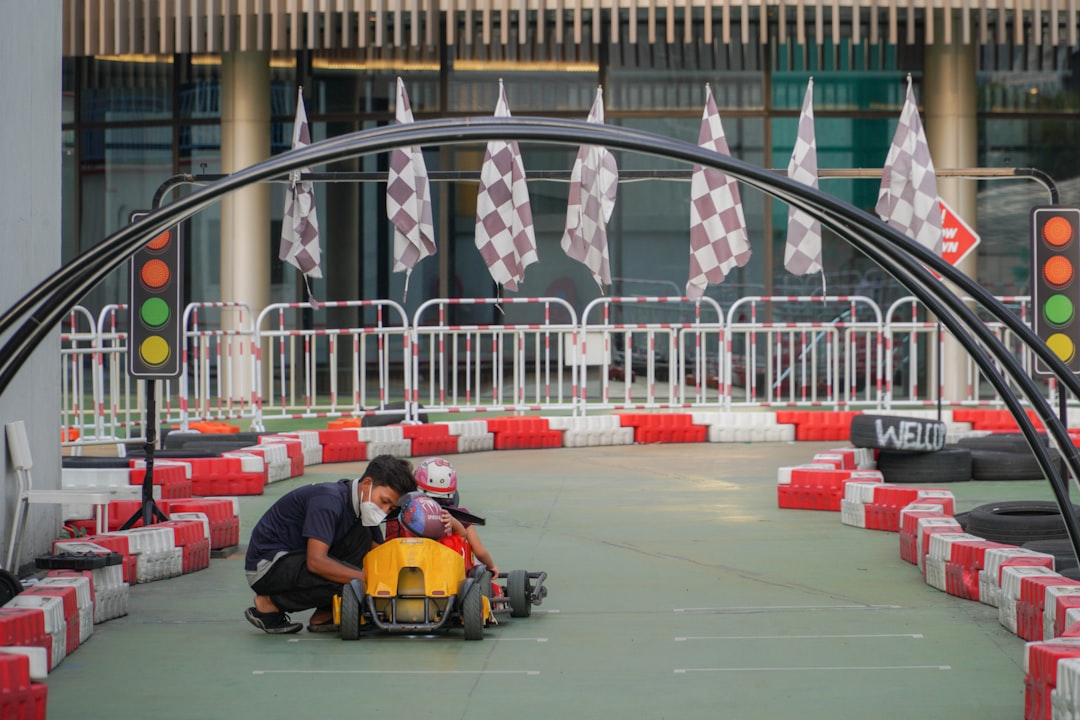
A kids’ go-kart can be the best backyard purchase you ever make, but the range of options is dizzying: pedal karts, 12-volt ride-ons, two-speed electrics, and even mini petrol karts. This guide breaks down every type by age, speed, and price so you can match a kart to your child’s stage and skill, and understand which safety features are non-negotiable. If you want specific product picks, our best go-karts for kids by age roundup pairs perfectly with the fundamentals below.
What to Know About Kids’ Go-Karts
The single most important factor is matching the kart to your child’s age and physical size, not their enthusiasm. A five-year-old will love the idea of a 20 mph kart, but the reaction time, judgment, and strength to control one simply are not there yet. Manufacturers publish age and weight ranges for good reason, and the safest choice is almost always the one that lets your child feel in control the entire time.
Beyond age, think about where the kart will be used. Smooth driveways and sidewalks favor smaller plastic tires and lower ground clearance, while grass, gravel, and dirt demand pneumatic (air-filled) tires and more torque. Storage space, charging access, and how quickly your child will outgrow the kart all factor into long-term value. A slightly pricier kart with adjustable seating and lockable speed modes often outlasts two cheaper karts.
Types (Pedal, Electric, Petrol)
Pedal karts are human-powered, silent, and maintenance-light. They are ideal for building coordination in toddlers and young kids, cost the least, and have no batteries or fuel to manage. The trade-off is limited speed and range, and they struggle on inclines.
Electric karts are the sweet spot for most families. They range from gentle 12-volt ride-ons with parental remotes to two-speed models and fast drift karts. They are quiet, require little maintenance, and many include adjustable or lockable speed settings so the kart can grow with your child. The main considerations are charge time and battery life.
Petrol (gas) karts deliver the most power and longest run times and are favored by older kids moving toward racing. They are louder, need fuel and engine maintenance, and reach speeds that demand real supervision and protective gear. For most family backyards, electric is the more practical route unless your child is progressing toward competitive karting.
Kids’ Go-Kart Types Compared
| Type | Typical Age | Top Speed | Price Range |
|---|---|---|---|
| Pedal kart | 3-8 | Walking pace | $80-$250 |
| 12V electric ride-on | 3-8 | 2-5 mph | $120-$300 |
| Two-speed electric | 4-10 | 5-10 mph | $300-$500 |
| Off-road electric | 8-14 | 10-15 mph | $350-$700 |
| Drift / performance electric | 12+ | 15-25 mph | $900-$2,000 |
| Mini petrol kart | 10+ | 15-30 mph | $700-$2,500 |
What Age for Each Kart
Ages 3-5: Stick with pedal karts or gentle 12-volt ride-ons that top out at 2-4 mph. A parental remote override, like the one on many toddler karts, is worth its weight in gold at this stage. Look for seat belts and a low, stable frame.
Ages 6-8: Kids can handle two-speed electric karts where a lockable learner mode builds confidence before unlocking a faster gear. This is the age where a kart that grows with the child pays off. Curious how quick these get? Our guide on how fast go-karts go puts the numbers in context.
Ages 9-12: Off-road electric karts with pneumatic tires and 10-15 mph speeds suit this range, especially for grass and dirt. Supervision and a helmet become essential.
Ages 13+: Performance electric drift karts and entry-level petrol karts open up, but so does the need for proper protective gear and a controlled space to ride.
Safety Features That Matter
Not all safety features are marketing fluff. The ones that genuinely reduce risk include: a seat belt and a seat that keeps the child low and centered; a reliable brake, ideally a hand-operated disc or a responsive foot brake; speed limiting, whether a physical low-gear lock or an app-based cap; and a parental remote for the youngest riders. A safety flag improves visibility, and a roll cage or bar adds protection on faster off-road models.
Whatever the kart’s speed, a properly fitted helmet is the number one accessory. Our best kart helmets for 2026 guide covers sizing for kids specifically. Gloves and closed-toe shoes round out the basics for faster karts.
How to Choose
Start with your child’s age and weight, then filter by where they will ride and how much room you have to store and charge a kart. Prioritize adjustable seating and lockable speeds if you want the kart to last several years. Set a realistic budget, remembering that a mid-range kart with good safety features usually beats a bargain kart you replace in a season. If you are weighing the total investment, our breakdown of how much a go-kart costs covers kids’ models and beyond.
Pros and Cons
Pros
- Builds coordination, confidence, and outdoor time
- Electric models need little maintenance
- Lockable speeds let one kart grow with your child
- Huge range of prices and ages
Cons
- Kids outgrow entry-level karts quickly
- Batteries limit run time and need charging
- Faster karts require gear and close supervision
- Storage and assembly can be demanding
Frequently Asked Questions
What age can a child start using a go-kart?
Are electric or petrol karts better for kids?
How fast should a kids go-kart go?
Do kids need a helmet on a go-kart?
How long do go-kart batteries last?
Can a go-kart be used on grass or only pavement?
How much should I spend on a kids go-kart?
More for young drivers: explore kids kart racing, gas karts for kids, karts with roll cages, kids drift karts, kids off-roaders and kids helmets.
Final Thoughts
The right kids’ go-kart is the one that matches your child’s age and size, fits your space, and includes the safety features that count: a seat belt, a good brake, and appropriate speed limits. Start conservative on speed and let your child grow into more capability over time. If you are completely new to the hobby, our beginner’s guide to getting started in karting is a great next read, and when you are ready to buy, head to our best go-karts for kids by age roundup for specific recommendations.