

How much does a go-kart cost? The honest answer is anywhere from a couple of hundred dollars for a child’s electric kart to well over ten thousand for a race-ready shifter. This guide gives you typical price ranges for every kind of kart, then goes further into the buying decision itself: new vs used, where to buy, which seating layout makes sense, what racing karts cost on the secondhand market, and the running costs that catch first-time owners out. It is written for parents, adult recreational buyers and would-be racers alike. Prices are typical USD ranges for 2026, not quotes, and they vary by region, condition and seller.
Top picks
If you already know you want a recreational kart, these are the standout picks from our buying roundups.
| Product | Best for | Key features | Price | Buy |
|---|---|---|---|---|
| TrailMaster Cheetah 8 | Best overall gas go-kart |
| $2,649.00as of Oct 25, 2026 9:01 pm EDT | Buy now →Check current price |
| Zyliathor 212cc | Best value overall |
| $1,600.00as of Oct 26, 2026 5:54 am EDT | Buy now →Check current price |
| X-PRO E-Rover 60V | Best overall two-seater |
| $1,399.00as of Oct 26, 2026 6:37 am EDT | Buy now →Check current price |
| Segway Ninebot Gokart Pro 2 | Best electric kart for teens and adults |
| $2,499.99as of Oct 26, 2026 5:53 am EDT | Buy now →Check current price |
| STARRIVER 24V Drift Kart | Best entry-level electric kart |
| $299.99as of Oct 26, 2026 6:05 am EDT | Buy now →Check current price |
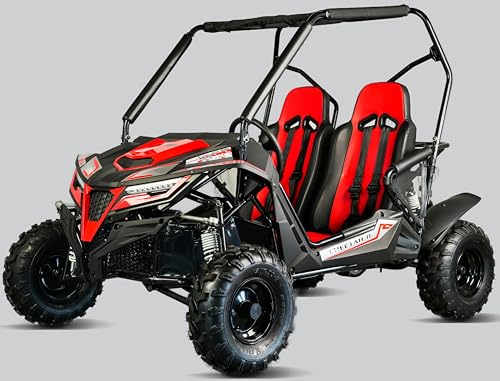


Prices are Amazon’s listed prices as of the date and time shown and are subject to change; the price on Amazon at the time of purchase applies. As an Amazon Associate we earn from qualifying purchases.
For a single shortlist across every category, start with the best go-karts for 2026. If value matters most, the best go-kart for the money weighs features against price, while the best cheap go-karts covers the lowest budgets, mostly for younger kids. Families who want to ride together should read the best two-seater go-karts, and grown-up drivers should check the best go-karts for adults for frame size and load ratings.
Go-kart prices at a glance
The table below gives typical price bands by category. Use it as orientation; the sections that follow explain what pushes a kart to the top or bottom of its band.
| Type of go-kart | Typical price range |
|---|---|
| Kids’ electric go-kart | $150 – $600 |
| Kids’ pedal or small gas kart | $200 – $900 |
| Adult electric go-kart | $1,000 – $4,000 |
| Adult gas recreational kart | $1,000 – $3,500 |
| Off-road kart or buggy | $1,500 – $5,000+ |
| Used sprint racing kart | $1,500 – $4,000 |
| New sprint racing kart (race-ready) | $4,000 – $8,000 |
| Shifter kart (new) | $7,000 – $12,000+ |
Brand plays a part, but less than most buyers expect. Established names usually cost more because of better parts support and dealer networks. Our guide to the best go-kart brands explains which names are worth the premium. Many budget karts are built in China and sold under multiple labels; the guide to Chinese go-karts for sale covers quality, parts availability and what to check before you order.
Price by kart type
The biggest driver of price is what the kart is built to do. Kids’ karts are the cheapest entry point. Simple electric ride-ons start around $150, while more capable gas or electric karts for older children reach several hundred dollars. Size and safety features matter more than top speed here; our kids go-karts hub matches karts to age and height.
Adult recreational karts cover a wide range. Gas yard karts with a small four-stroke engine and a centrifugal clutch or torque converter often sit between about $1,000 and $3,500. Electric adult karts span a similar range, with battery size driving most of the difference. Our guide to the go-kart for adults covers sizing and frame strength, and the electric go-karts hub explains batteries and range.
Speed costs money. Karts that genuinely reach high speeds need stronger frames, better brakes and more powerful engines, and the price climbs accordingly. Read fast go-karts for adults before chasing top-speed claims, and our guide to the 50 mph go-kart for sale explains what actually reaches that figure and what it costs. Smaller adults or riders with limited space may prefer a compact model; see mini go-karts for adults.
Off-road karts and buggies cost more than yard karts of similar power because of suspension, cages and bigger tires. The off-road go-kart hub covers types and price bands in detail.

Single-seat, 2-seat, 4-seat and beyond
Seating is one of the first decisions recreational buyers make, and it affects price, power needs and safety. A single-seater go-kart is lighter, cheaper and more responsive, which suits one confident driver.
Two-seaters are the most popular family choice because a parent can ride with a child or a less experienced passenger. They need more power and a frame rated for the combined load. Our 2-seater go-kart guide covers layouts and features, while the two-seater go-kart guide focuses on choosing by rider size and use. On a tight budget, read 2-seater go-karts under $1000 for what is realistic at that price.
Above two seats, the options thin out and start to overlap with small utility vehicles. A three-seater go-kart is uncommon and layouts vary. Four-seat models are more widely available; the 4-seater go-kart guide explains how they differ from a UTV, and 4-seat go-karts for sale covers prices and sellers. The guide to the 6-seat go-kart explains what really exists in that category and safer alternatives for large groups.
For any multi-seat kart, check that every seat has its own belt or harness and that the stated load limit covers your real passengers. Weight ratings and age guidance come from the manufacturer, so read the manual before the first ride.
Racing karts for sale
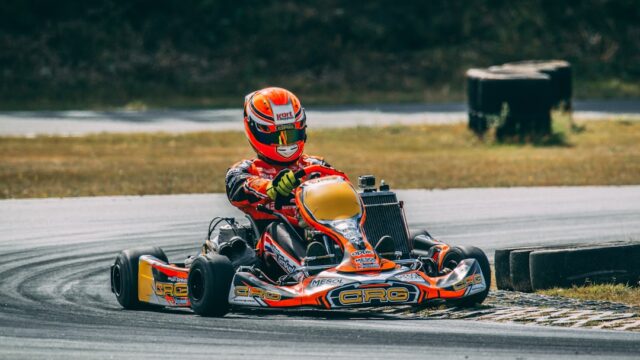
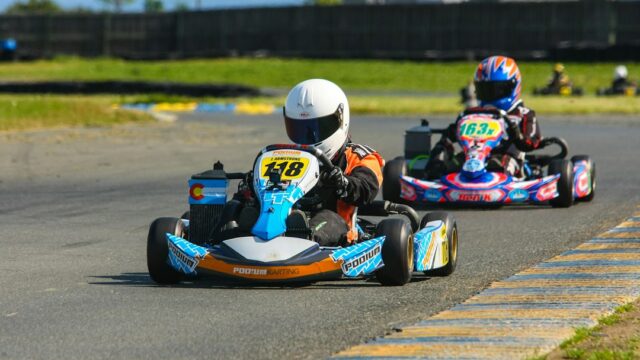
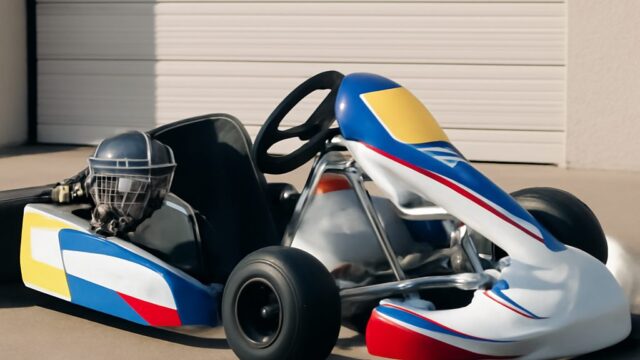
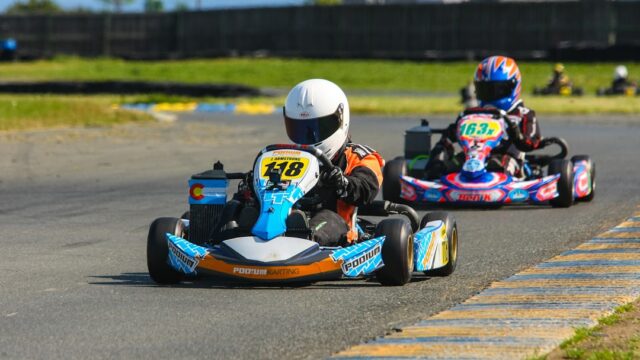
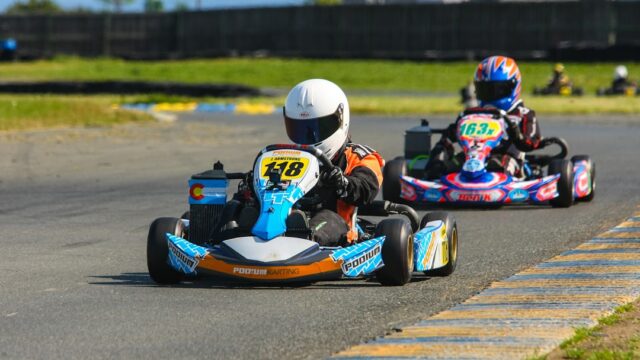
Racing karts are a different market from recreational karts. They sit low, have no suspension, and are built to class rules set by sanctioning bodies. The class you plan to race decides the kart you should buy, so pick a class first and the chassis and engine second. The go-kart racing hub explains how classes and series work.
Four-stroke spec classes are generally the cheapest way into racing. The guide to LO206 karts for sale covers what to look for in one of the most widely raced spec engines in North America. A step up in performance, two-stroke classes such as KA100 bring more speed and higher running costs; see KA100 karts for sale.
Shifter karts add a gearbox and much more power, and command the highest prices in sprint racing. The guide to the shifter kart for sale covers new and used prices, and our sprint vs shifter karts comparison helps you decide which suits your goals. Superkarts are long-circuit machines with full bodywork and large gearbox engines; superkarts for sale explains what they are and what they cost.
Dirt and oval racing have their own karts. Read dirt kart for sale for prices and inspection tips, and outlaw karts for sale for the caged, winged dirt-oval category. At the extreme end, motorcycle-engine conversions are covered in 250cc go-karts for sale and Hayabusa go-karts for sale; both demand serious brakes, frames and experience.

New vs used
The new-vs-used decision is where buyers save or lose the most money. A new kart gives you a known history, a warranty and no inherited wear. For racers, a fresh chassis that has never been bent or fatigued is a real advantage. The downside is depreciation, which can be steep in the first year.
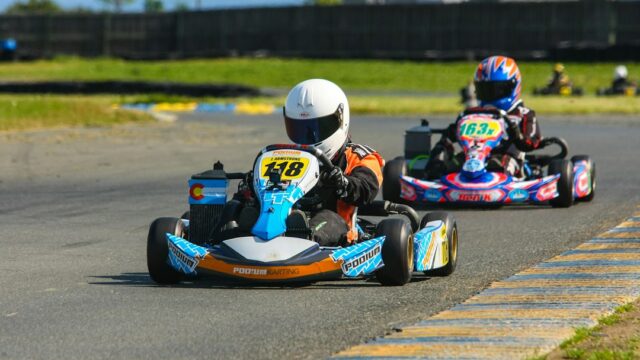
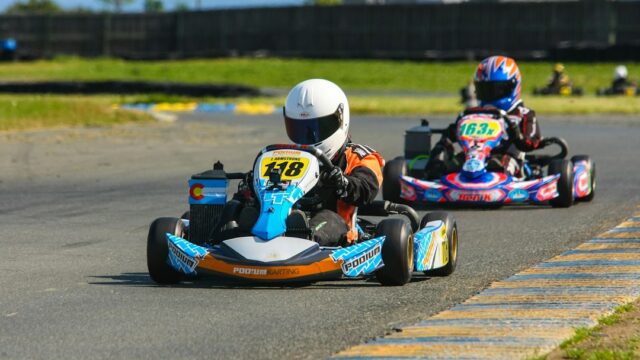
Used karts are often the best value, especially for beginners. Karting communities sell and upgrade constantly, so the market is deep. The risks are hidden damage: a bent chassis, a tired engine or worn bearings and brakes. Our guide to used go-karts for sale covers the full inspection process for recreational karts.
Racing karts need an even closer look. The guide to the used racing go-kart walks through chassis straightness, axle and spindle checks, and engine hours. Class-specific checklists are in buying a used LO206 kart and buying a used shifter kart.
Buying used parts is a good way to stretch a budget, as long as you know what is safe to reuse. Read used go-kart parts for what to buy and what to avoid, used go-kart engines for sale for checking compression and wear, and used kart wheels for inspecting rims and bead seats. Never buy a used helmet; the protective liner can be compromised without visible damage.
Where to buy a go-kart
Where you buy shapes the price, the support you get and your recourse if something goes wrong. Specialist kart dealers and race shops cost more but offer setup help, parts and advice. Big-box and online retailers are cheapest for recreational karts but usually ship in a crate that needs assembly. Private sellers and club classifieds are where most used racing karts change hands.
Our guide to the best place to buy a go-kart compares these channels in detail, and go-karts for sale explains where to look for new, used and online listings. If you have already settled on a gas model, gas go-karts for sale covers engine sizes and what to check before paying.
Unless you have a garage next to a track, you will need to move the kart. The guide to the go-kart trailer for sale covers sizes, prices and inspection.

Running costs and hidden costs
The purchase price is only the start. Racing karts consume tires, fuel, oil, chains and sprockets, and engines need periodic rebuilds. Track fees, entry fees, transport and safety gear add up quickly. Over a competitive season, running costs can exceed the price of the kart itself.
Our breakdown of how much karting costs per year prices every level, from casual practice days to regional racing, and the competitive racing budget guide goes deeper into a full race season. If you are not sure you want to own a kart yet, check typical go-karting prices at rental tracks first; a few sessions are a cheap way to confirm your interest.
Recreational karts cost far less to run but still need oil changes, chain adjustment and tire replacement. Learning basic maintenance yourself saves a lot of money; the go-kart maintenance hub covers the routine jobs. Budget for proper safety gear from day one; the kart racing gear guide explains what to prioritize.
Pedal, novelty, vintage and commercial karts
Not every buyer wants an engine. Pedal karts are cheap, quiet and need almost no maintenance. The guide to the pedal go-kart for adults covers sizing, while heavy duty pedal go-karts for adults focuses on frames rated for heavier riders, and pedal power go-karts explains how the drivetrains work and who they suit.
Novelty karts are a niche of their own. Truck-styled karts are covered in big rig go-kart for sale and mini semi go-kart for sale. A 3-wheel go-kart trades stability for a different driving feel, and the big wheel go-kart guide covers oversized tire setups.
Vintage karts appeal to collectors and restorers. The guide to vintage go-karts for sale covers pricing and originality, and vintage go-kart brands explains which names collectors look for. Brand-specific guides cover Rupp go-karts for sale and McCulloch go-karts for sale.
If you are buying for a business, fleet karts are a different purchase entirely. Read commercial go-karts for sale for fleet considerations, go-kart business for sale for buying an existing operation, and go-kart track insurance cost for one of the largest ongoing expenses.

Explore every go-kart buying guide
Kart types and seating



Racing karts for sale




Buying used




Roundups and where to buy



Frequently Asked Questions
How much does a good beginner go-kart cost?
Is it cheaper to buy a new or used go-kart?
Why are racing go-karts so expensive?
What are the ongoing costs of owning a go-kart?
How much does a two-seater go-kart cost?
Where is the best place to buy a go-kart?
How much should I budget for safety gear?
Final Thoughts
Start by deciding how you will use the kart, then set a budget that includes gear and running costs, not just the sticker price. For recreational buyers, our best go-karts roundup is the quickest route to a shortlist. Would-be racers should try rental karting first, then buy a carefully inspected used kart in a popular class. If you are new to the sport, the beginner’s guide fills in the rest.