
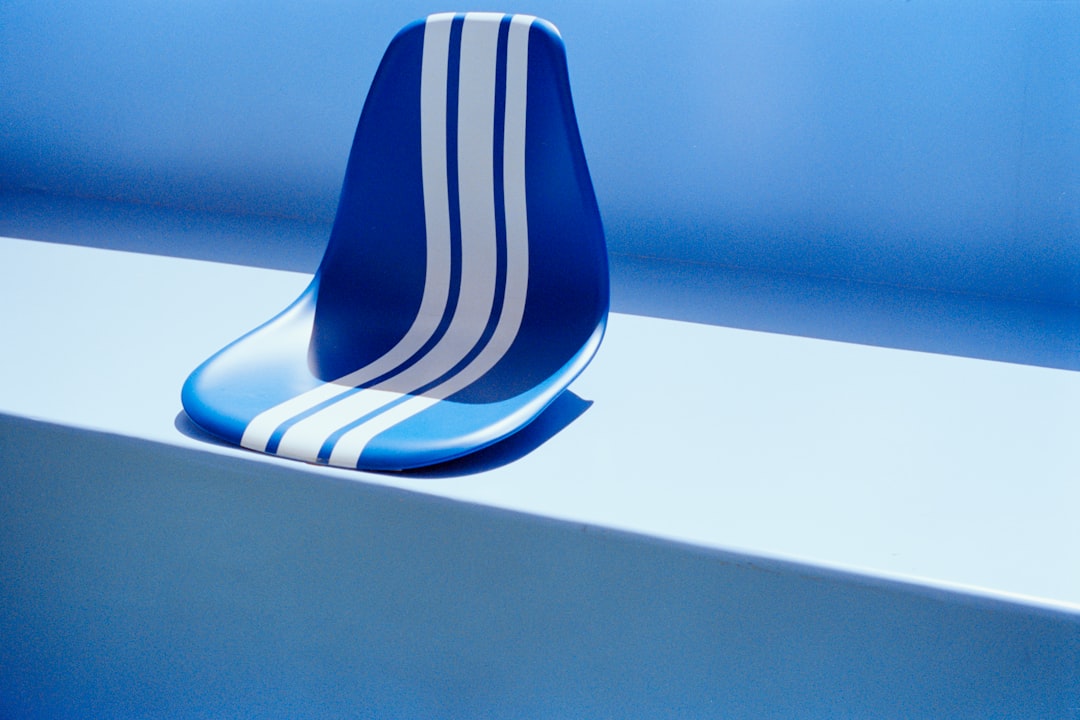
Go-kart seats do far more than hold you in place: they lock your body to the chassis so you can feel and control the kart, absorb cornering loads, and keep you comfortable through long sessions. The right seat improves handling because a kart has no suspension, so your body is part of the chassis. This guide explains the main types of go-kart seats, how they differ in material and fit, what they cost, and how to choose one that matches your kart, your size, and how you drive. Whether you are building a kart or upgrading a rental-worn plastic shell, the seat is a bigger performance and comfort decision than most people expect.
What Are Go-Kart Seats
Go-kart seats are the rigid or padded shells that mount directly to the chassis rails and position the driver. Unlike a car seat, a kart seat is a structural component: because the chassis flexes to generate grip, a properly fitted seat transmits your weight and inputs into how the kart handles.
Fit is everything. A seat that is too loose lets you slide under load, killing feel and tiring you out; one that is too tight is painful over a session. On competition karts the seat also acts as a torsional stiffener, so its size, mounting angle, and rigidity noticeably change balance.
If you are assembling a kart from parts, seat mounting ties into the overall build; our guide on how to build a go-kart covers where the seat fits in the assembly.
Types of Go-Kart Seats
Seats vary by material and intended use, and the right choice depends on whether you race, cruise, or build for durability.
Fiberglass racing seats: Stiff, lightweight shells used in sprint and shifter karts. They deliver the best feel and chassis stiffness but offer little padding.
Plastic (polyethylene) seats: Common on recreational and rental karts. Durable, cheap, and forgiving, but heavier and less precise than fiberglass.
Aluminum / metal seats: Rugged choice for off-road and DIY builds where impact resistance matters more than outright weight.
Padded / upholstered seats: Recreational and off-road karts often add foam and cover for comfort on rough terrain and longer cruising.
Go-Kart Seat Types Compared
| Type | Weight | Feel / Stiffness | Best For | Rough Cost |
|---|---|---|---|---|
| Fiberglass racing | Light | Excellent | Sprint and shifter racing | $80-$200 |
| Plastic (polyethylene) | Medium | Moderate | Recreational and rental karts | $40-$120 |
| Aluminum / metal | Medium-heavy | Firm | Off-road and DIY builds | $60-$150 |
| Padded / upholstered | Heavier | Soft, low feel | Cruising and comfort | $70-$180 |
Cost and Key Considerations
Go-kart seats are among the more affordable upgrades, typically $40-$200 depending on material. Fiberglass racing seats sit at the higher end and come in graded stiffness, while plastic and metal seats cost less and trade some precision for durability.
Size and mounting drive the real decision. Racing seats are sold by numbered sizes tied to driver waist and torso measurements, and buying the correct size matters more than the brand. Confirm the mounting-hole pattern and rail spacing match your chassis, and budget for seat struts or stays, which stiffen the mount and are often sold separately.
For how seat choice fits into overall build and ownership costs, see how much a go-kart costs. If you are speccing a chassis package, our roundup of the best go-kart kits and frames notes which kits include a seat.
How to Choose Go-Kart Seats
Start with fit. Measure your hips and torso and match them to the manufacturer’s size chart; you want the seat snug at the ribs and hips with no sliding under cornering load. A correctly sized seat improves both control and endurance more than any material upgrade.
Next, match the seat to your driving. Racers should prioritize a stiff fiberglass shell and the right stiffness grade for their weight and track grip. Recreational and off-road drivers benefit more from durable plastic or metal with added padding for comfort over rough ground.
Finally, check compatibility and support. Verify mounting points, and add seat stays if your chassis calls for them. Pairing a good seat with proper rib protection from our kart racing gear complete guide prevents bruising during hard cornering.
Pros and Cons of Upgrading Your Seat
Swapping to a better-fitted seat is one of the cheapest ways to improve a kart, though every material carries trade-offs.
Pros
- Correct fit sharply improves control and feel
- Affordable upgrade versus most kart parts
- Fiberglass seats stiffen the chassis for better handling
- Padded options make recreational cruising comfortable
Cons
- Racing seats offer little comfort padding
- Wrong size hurts both feel and endurance
- Mounting and seat stays add cost and setup time
- Heavier plastic and metal seats dull chassis feedback
Frequently Asked Questions
How do I know what size go-kart seat I need?
Are fiberglass or plastic go-kart seats better?
Do go-kart seats affect handling?
How much do go-kart seats cost?
Do I need seat stays or struts?
Can I add padding to a racing seat?
Final Thoughts
Go-kart seats are a small purchase with an outsized effect on control, comfort, and even handling, because the seat is a structural part of a suspensionless kart. Get the fit right first, then match the material to whether you race, cruise, or build for durability, and confirm the mounting matches your chassis. If you are putting a kart together from scratch, tie the seat choice into our how to build a go-kart guide and protect yourself with proper gear from the kart racing gear complete guide.