
Understanding Go-Kart Speed
Go-kart speed is one of the first things buyers and new drivers ask about, and the honest answer is “it depends.” A rental kart at an indoor track tops out around 25-30 mph, a backyard gas kart might hit 20-40 mph, and a purpose-built racing shifter kart can exceed 60 mph with acceleration that rivals a supercar off the line. The number that matters is not just top speed but how quickly a kart reaches it and how controllable it feels at pace. This guide breaks down what actually determines go kart speed, how different kart types compare, and how to make a kart faster safely without turning it into a hazard.
What Determines Go-Kart Speed
Top speed and acceleration come from a handful of interacting factors. No single spec tells the whole story, so it helps to understand each one.
Power source and output. Engine or motor power is the headline number. A 5-6.5 hp gas engine moves an adult kart to roughly 25-35 mph. A 200cc+ engine or a strong electric motor pushes past 45 mph. Racing two-stroke engines producing 30+ hp drive shifter karts beyond 60 mph.
Gearing. The ratio between the engine sprocket and the axle sprocket trades acceleration for top speed. Fewer teeth on the axle sprocket (or more on the clutch) raises top speed but dulls launch; the reverse sharpens acceleration.
Weight. Every pound matters. Driver weight, frame material, and battery mass all cut into acceleration and, on inclines, top speed. This is why a light teenager on the same kart will accelerate faster than a heavier adult.
Tires and traction. Slick racing tires transfer power far better than hard turf tires. Grip determines how much of your engine’s output actually becomes forward motion instead of wheelspin.
Aerodynamics and rolling resistance. At higher speeds, drag and driveline friction matter. Proper tire pressure, clean bearings, and a taut chain preserve speed that a neglected kart bleeds away.
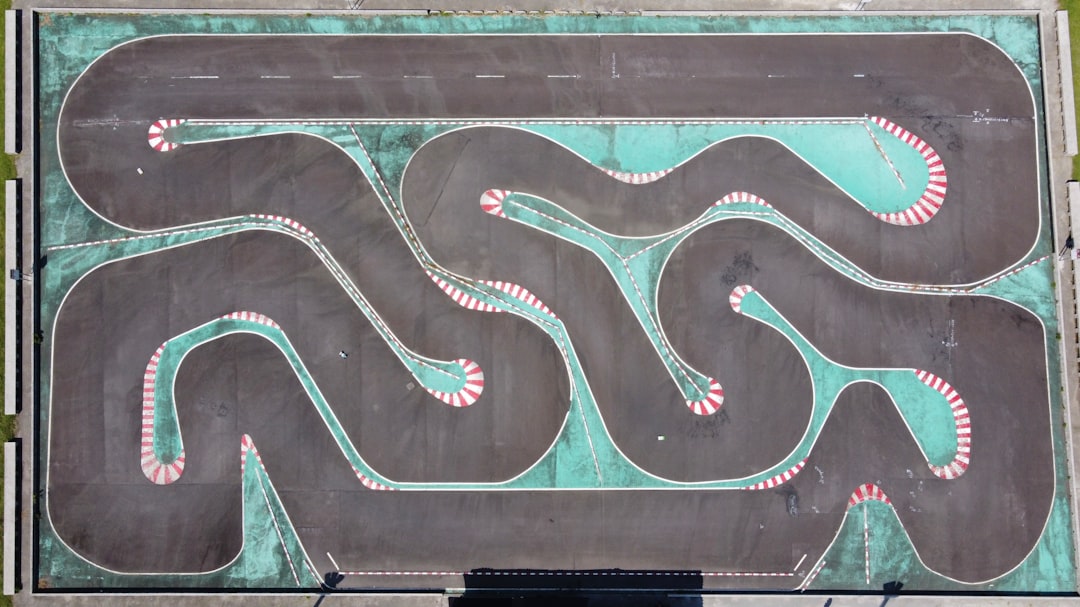
Track and surface. The environment sets a practical ceiling regardless of the kart. A short backyard loop rarely lets any kart reach its top speed, while a long, smooth circuit does. Grip from the surface — asphalt versus grass versus loose dirt — changes both how much power reaches the ground and how safely you can carry speed into corners. Two identical karts can feel worlds apart on different surfaces.
Understanding these factors together explains why manufacturer “top speed” figures are only a starting point. Real-world go kart speed depends on the driver, the surface, and the state of maintenance as much as on the engine badge.
Types of Go-Karts by Speed
Different kart categories are built for very different speed envelopes. Matching the type to your goal prevents both disappointment and danger.
Rental and rec karts: 15-30 mph, governed for safety and durability. Ideal for casual fun and kids.
Off-road and yard karts: 20-40 mph, tuned for torque and rough terrain rather than outright pace.
Electric karts: 15-70 mph depending on model, with instant torque that makes them feel quick even at modest top speeds.
Sprint racing karts: 45-70 mph, low and light with slick tires and a stiff frame for cornering grip.
Shifter karts: 60-80+ mph, the fastest karts most people can legally run at a licensed track.
Go-Kart Speed Compared
| Kart Type | Typical Top Speed | Acceleration | Best For |
|---|---|---|---|
| Rental / indoor | 25-30 mph | Moderate | Casual, beginners |
| Kids’ kart | 5-15 mph | Gentle | Children, supervised play |
| Off-road / yard | 20-40 mph | Strong low-end | Trails, rough ground |
| Electric rec | 15-45 mph | Instant torque | Quiet, low-maintenance fun |
| Sprint racing | 45-70 mph | Very quick | Track competition |
| Shifter kart | 60-80+ mph | Extreme | Experienced racers |
How Speed Relates to Cost
Speed is not free, and the relationship is far from linear. Getting from a 15 mph kids’ kart to a 30 mph rec kart is cheap; getting from 45 mph to 60 mph can cost thousands and demands a completely different class of components.
Entry rec and yard karts capable of 20-35 mph run roughly $400-$1,500 new. Faster off-road and adult karts in the 35-45 mph range land around $1,500-$4,000. A track-ready used sprint kart good for 50-65 mph often costs $2,000-$4,000 for the kart alone, plus safety gear, a helmet, transport, and race entry fees. Shifter karts and their consumables (tires, fuel, rebuilds) push the annual budget higher still. The point is simple: every additional 10 mph past the rec range multiplies not just the purchase price but the ongoing cost of tires, brakes, and maintenance. Budget honestly for the whole package, not just the sticker.
How to Choose the Right Speed for You
Chasing the highest number is a mistake for most buyers. Speed you cannot control is not fun, and it raises injury risk sharply. A useful rule: pick a top speed you can comfortably manage in the environment where you will actually drive.
For a backyard or a first adult kart, 25-35 mph is plenty and still genuinely thrilling. For kids, keep governed speeds age-appropriate and adjustable. Consider the surface too: a kart that feels controllable on smooth asphalt can be a handful on gravel or grass, where grip drops and stopping distances grow. If you plan to race, join a local club and let their class rules dictate your speed target rather than buying the fastest thing available — classes exist precisely to keep drivers of similar experience and pace together. Learn more about realistic figures in our guide to how fast go-karts go, and if you are new to the sport start with the complete beginner’s guide.
How to Make a Go-Kart Faster Safely
You can raise go kart speed several ways, but safety upgrades must scale with any power increase. More speed without more braking and better tires is reckless.
Start with free gains: correct tire pressure, a clean and lubricated chain, fresh air filter, and reduced weight. Then consider gearing changes, which cost little and let you bias toward acceleration or top speed. Larger power upgrades — a bigger engine, a performance carburetor, or a torque converter swap — deliver the biggest jumps but demand upgraded brakes, a stronger frame, and quality tires to match. Before touching engine internals, confirm your kart’s driveline can handle the load; a stronger frame and kit is often the real bottleneck. For engine-driven builds, understand your build fundamentals before adding power.
Safety non-negotiables: always wear a DOT or Snell helmet, gloves, and closed shoes. Never exceed a frame’s or component’s rated limits. Test speed increases gradually in a safe, open area, and upgrade brakes before you upgrade power, never after.
Pros and Cons
Higher go-kart speed brings both rewards and real trade-offs worth weighing honestly.
Pros
- More thrill and competitiveness on track
- Better performance for experienced drivers
- Faster acceleration makes karting more engaging
- Opens the door to real club racing
Cons
- Sharply higher injury risk without proper gear
- Requires costly brake and tire upgrades
- Steeper learning curve and less forgiving handling
- Not appropriate for kids or casual backyard use
Frequently Asked Questions
How fast does a normal go-kart go?
What is the fastest a go-kart can go?
How can I increase my go-kart speed cheaply?
Does driver weight really affect go-kart speed?
Do I need better brakes if I make my kart faster?
Is a fast go-kart safe for kids?
What kart type is fastest for the money?
Final Thoughts
Go kart speed is a balance of power, gearing, weight, and grip — not a single number to chase blindly. Choose a top speed you can control in your real driving environment, upgrade brakes and tires alongside any power gains, and always wear proper safety gear. When you are ready to buy, compare options in our roundup of the best electric go-karts for adults and match the machine to how and where you will actually drive.