
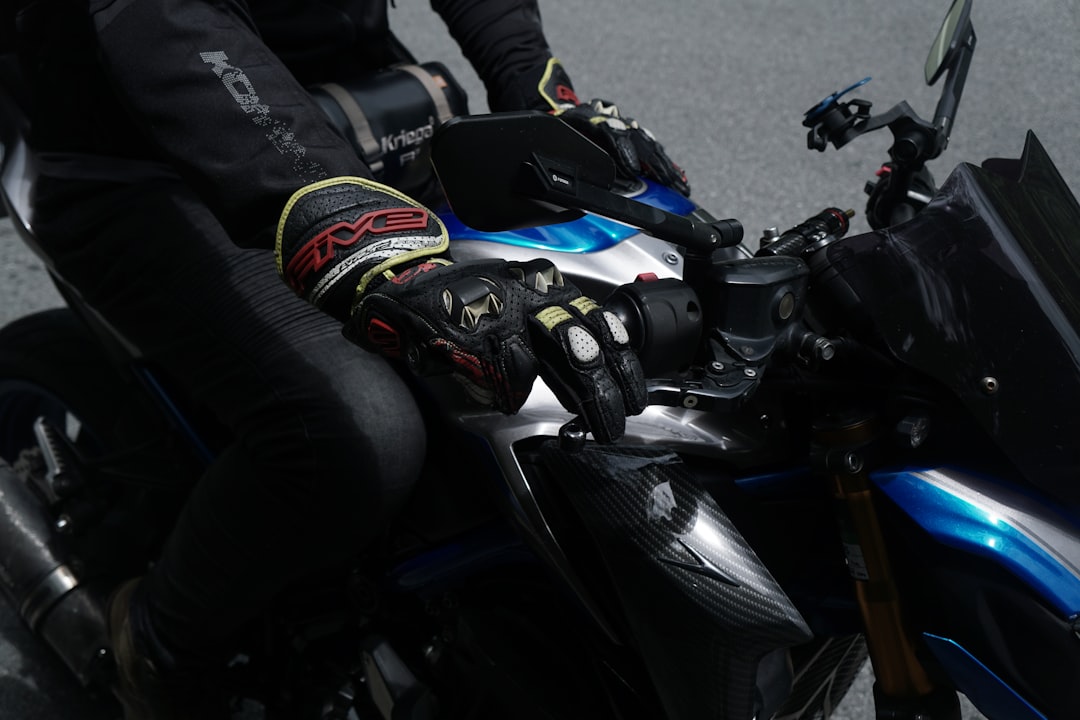
Karting gloves are thin, purpose-built driving gloves that improve grip on the steering wheel, reduce blisters and vibration fatigue, and protect your hands from abrasion if you put a hand down in a spin. For most drivers, a snug pair with a grippy palm, pre-curved fingers, outside seams, and a secure wrist closure is the right choice, typically costing about $30 to $90. Racers should also check their series rulebook, since some organizations specify what type of glove is acceptable. This guide explains karting glove types, materials, fit, cost, care, and how to choose a pair that suits your driving.
Part of our Kart Racing Gear guide — explore the full guide →
Why Karting Gloves Matter
A kart has no power steering and very little suspension. Almost every bump, curb strike, and vibration from the engine travels through the steering column into your hands. Over a full session that adds up to blisters, sore palms, numbness, and a grip that weakens just when you need precise inputs.
Gloves address three problems at once. They give you a consistent, grippy contact with the wheel even when your hands sweat. They spread pressure over a larger area, which helps prevent hot spots and blisters. And they protect your skin from abrasion if you brace against the track or another kart in an incident. Gloves are a small part of a full gear setup; our kart racing gear complete guide shows how they fit alongside the helmet, suit, rib protector, and shoes.
What Makes a Good Karting Glove
A good karting glove balances grip, feel, durability, and comfort. Those demands pull against each other: more padding protects against vibration but dulls feel, and thicker material lasts longer but runs hotter. Look for these features:
- Grippy palm: Suede, leather, synthetic suede, or silicone grip patterns on the palm and fingers.
- Pre-curved fingers: Fingers shaped to follow a natural grip reduce bunching and fatigue.
- External seams: Seams on the outside of the fingers keep stitching from rubbing your skin over long sessions.
- Secure wrist closure: A hook-and-loop strap or elastic cuff that keeps the glove from shifting under hard steering.
- Breathable back: Mesh, perforations, or lightweight fabric on the back of the hand to vent heat.
- Reinforced wear zones: Extra layers at the palm and between thumb and index finger, where the glove wears fastest.
- Appropriate cuff length: Longer cuffs overlap a suit sleeve to keep grit out; shorter cuffs are cooler.
The Best Kart Racing Gloves: our top 3 picks
| Product | Best for | Key features | Price | Buy |
|---|---|---|---|---|
| K1 RaceGear RS1 | Best karting glove overall |
| $39.00as of Oct 25, 2026 6:47 am EDT | Buy now →Check current price |
| OMP KS-4 | Best entry-level and kids sizing |
| $49.00as of Oct 25, 2026 6:47 am EDT | Buy now →Check current price |
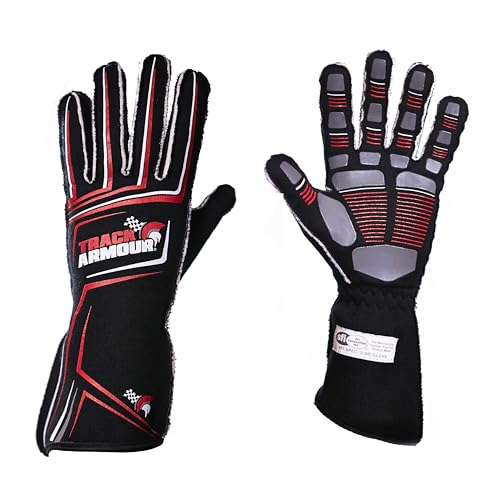
| Track Armour Series 4 | Best SFI glove for karting and cars |
| $69.99as of Oct 25, 2026 6:47 am EDT | Buy now →Check current price |


Prices are Amazon’s listed prices as of the date and time shown and are subject to change; the price on Amazon at the time of purchase applies. As an Amazon Associate we earn from qualifying purchases.
Types of Karting Gloves
Karting gloves can be grouped by construction and intended use. Many gloves mix features from more than one category.
Leather and suede gloves
Leather and suede palms offer excellent durability and a natural grip that improves as the glove breaks in. They are a popular choice for regular club drivers. The downsides are warmth in hot weather and the need for careful drying and cleaning so the leather does not stiffen.
Synthetic and mesh gloves
Synthetic suede palms with mesh or stretch-fabric backs are lighter, more breathable, and usually cheaper. They suit hot climates and casual or rental karting. Lower-cost versions can wear through at the palm more quickly than good leather.
Silicone-grip gloves
Many gloves add printed silicone patterns to the palm and fingers. Silicone helps grip when hands are sweaty or the wheel is damp, and it can be found on both leather and synthetic gloves.
Padded gloves
Some gloves add light padding across the palm to reduce vibration on long stints or in high-vibration karts. Others are intentionally unpadded for maximum feel. Which you prefer is largely personal.
Fire-resistant gloves
Fire-resistant driving gloves are standard in car racing, where fire is a recognized hazard. Karting gear is generally designed around abrasion rather than fire, and many karting organizations do not require fire-resistant gloves. Some series or venues may have different rules, and some drivers who also race cars use one pair for both. Check your series rulebook rather than assuming either way.
Karting Glove Types Compared
Prices are typical USD ranges and vary with brand and construction.
| Type | Grip and Feel | Durability | Breathability | Typical Cost | Best For |
|---|---|---|---|---|---|
| Leather / suede palm | Excellent once broken in | High | Low to medium | $45–$110 | Regular club and racing drivers |
| Synthetic / mesh | Good | Medium | High | $20–$60 | Hot climates, rental and casual use |
| Silicone-grip | Very good when sweaty | Medium | Medium | $25–$70 | Sweaty hands, damp conditions |
| Padded palm | Good; less feel | Medium to high | Medium | $30–$80 | Long stints, high-vibration karts |
| Fire-resistant | Good | High | Medium | $70–$200+ | Drivers who also race cars or whose rules require it |
Karting Glove Certifications and Rules
Certification is the area where karting gloves are most often misunderstood. Racing gear can be tested to standards set by motorsport bodies and independent organizations, and those standards differ between karting and car racing. A label on a glove usually refers to one specific standard, and a glove that meets a car-racing standard is not automatically required, or relevant, in karting.
In practice, requirements vary widely by country, organization, and class. Some karting series simply require gloves that fully cover the hands; others may reference a particular standard or approved list. Rental tracks often have their own policies. Before you buy for competition, read your current series rulebook or ask the technical inspector, and check the manufacturer’s product information for exactly which standard, if any, the glove claims. Do not rely on vague marketing terms like “race approved” without a named standard behind them.
How to Choose Karting Gloves
Start with fit
Fit matters more than any feature. Gloves should be snug across the palm with no loose fabric to bunch on the wheel, and the fingertips should reach the ends of the glove without being cramped. Too tight restricts circulation; too loose slides and causes blisters. Sizes differ between brands, so measure your hand circumference around the palm and length from wrist to fingertip, and compare to the manufacturer’s chart.
Match the material to your climate
In hot weather, prioritize breathable backs and synthetic or perforated palms. In cooler or damp conditions, leather and silicone-grip palms hold the wheel more reliably.
Match protection to your driving
Occasional rental drivers can be well served by a basic synthetic pair. Club racers and drivers of faster karts, such as shifters, benefit from more durable palms and reinforced wear zones. If your rules call for a specific type, that requirement comes first.
Consider the cuff and closure
A longer cuff that tucks under or over your kart suit sleeve keeps grit and wind out. A strong wrist strap stops the glove from shifting during hard steering inputs.
Buying for kids
Young drivers need gloves that fit now rather than gloves to grow into, since excess fabric reduces grip. Our kids kart racing gloves guide covers sizing and options for younger drivers.
Karting Glove Cost
Most drivers spend roughly $30 to $90 on a good pair. Basic synthetic gloves can be found for about $20, while premium leather or fire-resistant gloves can cost $100 to $200 or more. For recreational and club karting, the mid-range is usually the best value.
Think in terms of cost per session. A cheap pair that wears through within a few months may cost more over a season than a sturdier pair that lasts longer. Frequent drivers often keep two pairs and rotate them, which lets each pair dry fully between sessions and extends the life of both.
Care and Maintenance
Sweat breaks down leather and adhesives, so air-dry gloves after every session rather than leaving them balled up in a gear bag. Dry them at room temperature away from direct heat, which can stiffen leather and crack silicone.
Follow the manufacturer’s care label. Many gloves can be hand-washed gently in cool water with mild soap; some leather gloves call for specific leather cleaners instead. Avoid tumble dryers. Replace gloves when the palm wears thin, seams open, or the closure no longer holds firmly, since worn gloves lose both grip and protection.
Pros and Cons of Karting Gloves
Pros
- Reduce blisters and hand fatigue
- Give consistent grip even with sweaty hands
- Protect skin from abrasion in an incident
- Affordable compared with other gear
- Wide choice of materials for any climate
Cons
- Leather can run hot in summer
- Poor sizing undermines grip and comfort
- Cheap pairs can wear through quickly
- Padding can dull steering feel
- Rules on certification vary between series
Frequently Asked Questions
Do I need gloves for go-karting?
What is the difference between karting gloves and regular driving gloves?
Do karting gloves need to be fireproof?
How should karting gloves fit?
How long do karting gloves last?
Can I wash karting gloves?
Final Thoughts
Karting gloves are one of the least expensive pieces of gear, yet they make a noticeable difference to comfort and control. Prioritize fit first, choose a palm material that suits your climate, and look for outside seams and a secure closure. If you race, confirm what your rulebook requires before buying. When you are ready to compare specific models, our best kart racing gloves roundup is the next step, and the best kart helmets guide covers the most important piece of gear of all.