
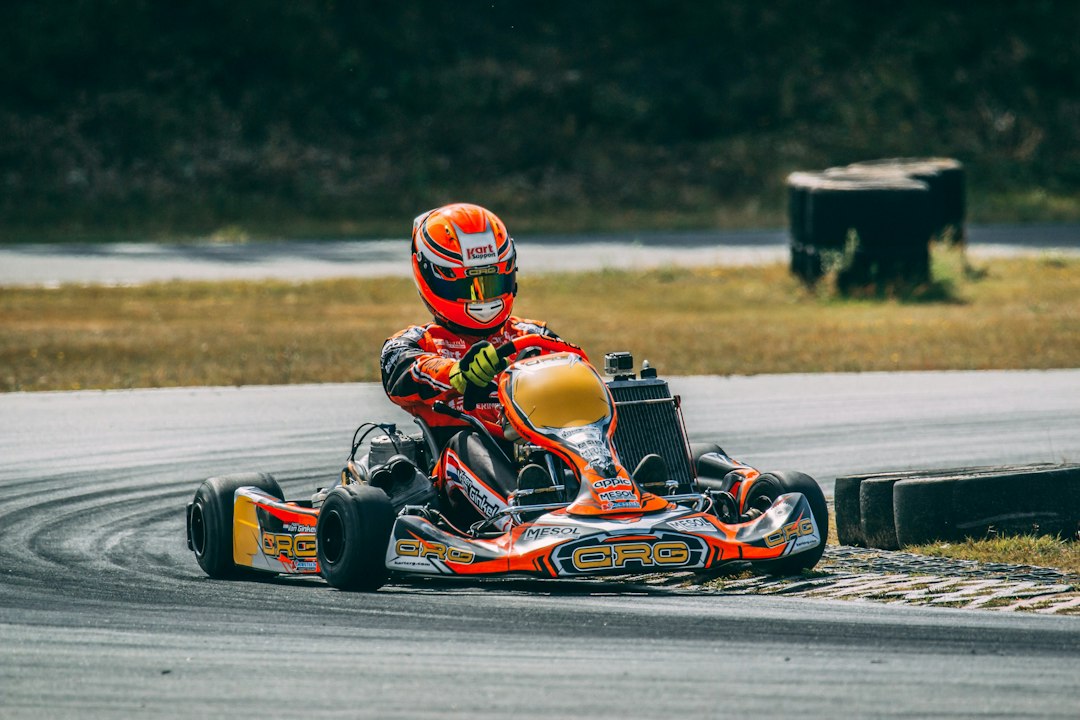
The KT100 kart engine is Yamaha’s 100cc air-cooled two-stroke, and for decades it was one of the most widely raced engines in American karting. Sprint and dirt oval clubs built entire class structures around it, from juniors with restrictor plates to open senior classes. Newer packages such as four-stroke spec engines and 100cc reed-valve two-strokes have taken over many grids, but the KT100 is still raced, rebuilt, and bought used, especially in vintage and club classes. This guide explains how the KT100 works, its common configurations, where it is still raced, what used engines and rebuilds typically cost, and how to maintain one.
Part of our Kart Racing guide — explore the full guide →
What Is the KT100 Kart Engine?
The KT100 is a single-cylinder, piston-port, air-cooled two-stroke engine of roughly 100cc. It was designed specifically for karting rather than adapted from another vehicle. A piston-port design means the piston itself opens and closes the intake port as it moves, rather than using a reed valve or rotary valve.
In most racing configurations the KT100 is direct drive. There is no clutch, so the sprocket on the crankshaft is always connected to the rear axle. The kart must be push-started, and the engine stalls if the kart stops. That makes it lighter and simpler but requires a helper or a push-start technique in the pits.
For a wider look at engines in this size class, see our 100cc go-kart engine guide.
Common KT100 Configurations
Stock “can” configuration. Many classes use the engine with a standard can-type muffler and a restrictor plate on the intake to limit power. This keeps costs down and racing close.
Pipe configuration. Some classes allow a tuned expansion chamber exhaust, which adds power and changes how the engine delivers it. Pipe classes generally require more tuning and more frequent rebuilds.
Restricted junior configurations. Junior classes often use smaller restrictor plates to reduce power for younger drivers. The exact plate size depends on the class and the sanctioning body’s rules.
Clutch conversions. Some recreational or specific racing setups add an aftermarket clutch so the engine can idle at a stop. Most traditional racing classes, however, run direct drive.
Best Go Kart Engine: our top 3 picks
| Product | Best for | Key features | Price | Buy |
|---|---|---|---|---|
| maXpeedingrods MXR212R | Best overall 212cc |
| $149.99as of Oct 27, 2026 4:11 am EDT | Buy now →Check current price |
| maXpeedingrods MXR212E | Best electric start |
| $209.99as of Oct 27, 2026 4:11 am EDT | Buy now →Check current price |
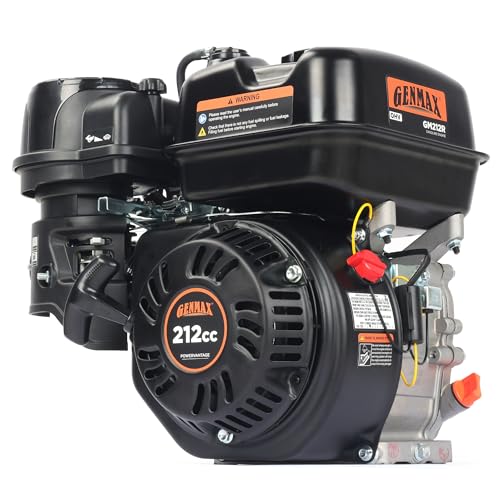
| GENMAX GM212R | Best support plan |
| $169.99as of Oct 27, 2026 4:11 am EDT | Buy now →Check current price |


Prices are Amazon’s listed prices as of the date and time shown and are subject to change; the price on Amazon at the time of purchase applies. As an Amazon Associate we earn from qualifying purchases.
KT100 Configurations Compared
| Configuration | Relative Power | Typical Use | Maintenance Demand | Starting |
|---|---|---|---|---|
| Restricted junior | Low | Junior classes | Moderate | Push start |
| Stock can | Moderate | Club senior and masters classes | Moderate | Push start |
| Pipe | Higher | Open or performance classes | Higher | Push start |
| Clutch conversion | Varies | Recreational use | Moderate | Can idle at a stop |
Power figures for the KT100 vary widely depending on configuration, restrictor, exhaust, and engine builder. Rather than relying on quoted horsepower, check the class rules and talk to engine builders who work with your class.
Where the KT100 Is Still Raced
The KT100 was a staple of American sprint and dirt oval karting for many years, with Yamaha classes sanctioned by organizations such as WKA and IKF. Over time, many clubs moved to newer packages, including four-stroke spec engines and modern 100cc reed-valve two-strokes, because they offer lower running costs, clutches, or electric start. Our guide to kart racing classes explains how these newer classes compare.
Many clubs still run Yamaha classes, especially in dirt oval racing, vintage racing, and regions with a strong KT100 tradition. Before buying a KT100, confirm that your local track runs a class for it and check the current rulebook for allowed parts, restrictor sizes, and technical inspection procedures.
Cost of a KT100 Kart Engine
Most KT100 engines today are bought used. As typical ranges, a used engine in usable condition often costs $400 to $1,200, while a freshly built race engine from a respected builder can cost more. Rebuild costs depend on what is needed: a top-end refresh with piston and rings is relatively affordable, while a full rebuild with crank work costs more.
Budget for spare parts, such as pistons, rings, gaskets, plugs, and carburetor parts, plus fuel and two-stroke oil. For the broader racing budget, see our competitive karting budget guide.
Buying a Used KT100
Ask for the history. Ask when the engine was last rebuilt, how many hours it has run since, and who built it. Engines from known builders with records are easier to trust.
Check legality. Make sure the engine is legal for your class. Technical inspectors may check specific dimensions, so a modified engine can be illegal even if it runs well.
Inspect compression and condition. A compression test and a look at the piston through the exhaust port can reveal wear or scoring. Turn the engine over by hand to check for roughness.
Look at the carburetor and ignition. Check that the carburetor is the correct type and that the ignition and flywheel are in good condition.
Our guide to used go-kart engines for sale includes a broader inspection checklist.
Maintenance and Rebuilds
Two-stroke race engines need regular attention. Clean the air filter after every race day and inspect the spark plug for color, which helps judge carburetor tuning. Check the carburetor diaphragm and needle valves periodically.
Top-end rebuilds, involving a new piston and rings, are done at intervals based on hours of running, class, and builder recommendations. Pipe engines and high-load setups generally need more frequent attention. Keep a log of engine hours so you rebuild before parts wear out.
Mix fuel and oil at the ratio recommended by your engine builder or class rules, and use fresh fuel. Many classes specify approved oils or fuels, so check the rules.
Tuning Basics
The KT100 typically uses a diaphragm carburetor with high and low speed needles. Tuning involves adjusting these needles for temperature, humidity, and altitude. Running too lean risks seizing the engine; running too rich costs power. Many racers use exhaust gas temperature (EGT) or cylinder head temperature (CHT) gauges to guide adjustments.
Gearing is adjusted through the axle sprocket to suit each track, since direct drive means the engine always runs through the same ratio.
Push Starting a Direct-Drive KT100
Because most KT100 setups have no clutch, the kart must be rolling for the engine to start. In the pits, a helper usually lifts the rear of the kart, spins the rear wheels, and drops them to fire the engine, or pushes the kart while the driver sits in. Some teams use a handheld starter on the axle or crank. Starting the engine without the rear wheels touching the ground lets it rev freely, so drop the kart gently and keep feet clear of the rear tires.
Once running, the engine must stay above a minimum speed or it will stall. Drivers learn to keep momentum in slow corners and avoid stopping on track. If the kart spins, the engine usually dies and the session ends unless a marshal can push-start it. This is one reason clutch-equipped classes have grown in popularity.
Is a KT100 Right for You?
The KT100 suits drivers whose local track still runs a healthy Yamaha class, people who enjoy working on two-stroke engines, and vintage enthusiasts. It is less suitable if your track has moved to newer classes, if you want electric start and a clutch, or if you want the lowest possible maintenance. Compare the entry list at your track before deciding.
Pros and Cons
The KT100 has a strong legacy, but it is not the best fit for every racer.
Pros
- Proven, well-understood design
- Lightweight and responsive two-stroke
- Used engines are relatively affordable
- Large base of builders and parts in some regions
Cons
- Direct drive requires push starting
- Fewer classes than in the past
- Needs regular two-stroke rebuilds
- Used engines vary widely in condition
Frequently Asked Questions
Is the KT100 a two-stroke or four-stroke?
Does the KT100 have a clutch?
Is the KT100 still raced?
How often does a KT100 need a rebuild?
What fuel does a KT100 use?
Is a KT100 good for beginners?
Final Thoughts
The KT100 kart engine remains a respected, affordable two-stroke for clubs that still run Yamaha classes. Confirm a local class, buy from a known builder, and keep a careful log of engine hours. If you are comparing newer options, our guide to KA100 karts for sale looks at one of the modern 100cc alternatives.