
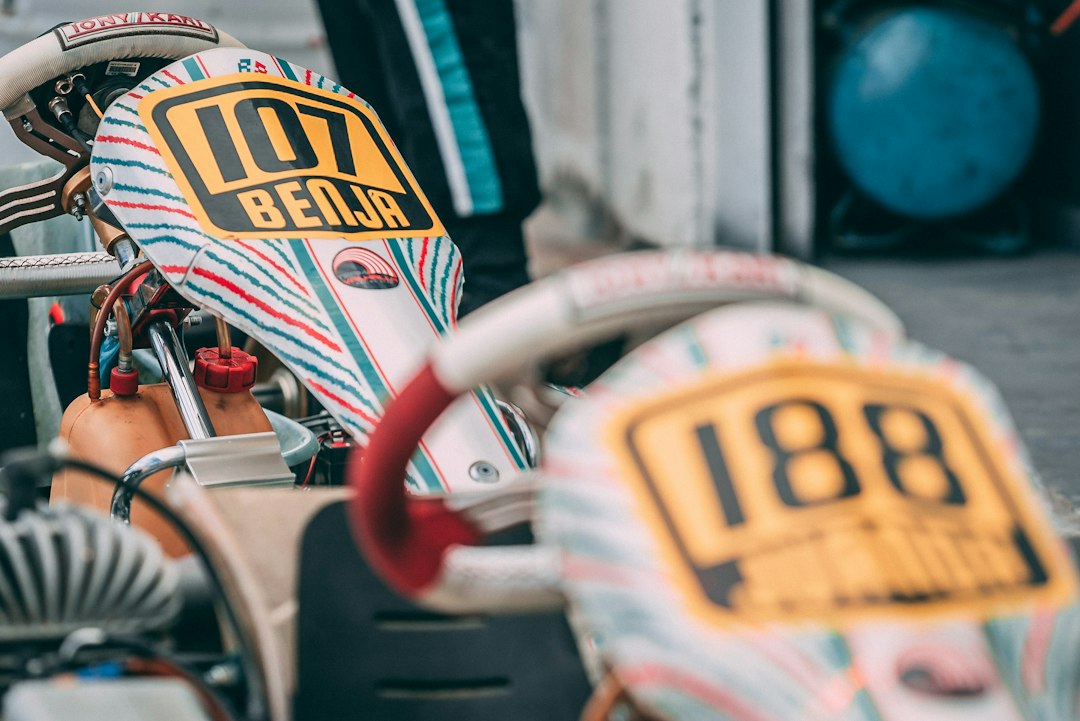
LO206 kart top speed is a common question from drivers moving into club racing, because the LO206 is one of the most popular entry-level racing engines in North America and beyond. The short answer: on a typical sprint track, an LO206 kart usually tops out somewhere around 50 to 60 mph, depending on gearing, driver weight and track layout. This guide explains why the number varies, how gearing and class rules affect speed, how an LO206 compares to other kart engines, and what actually makes an LO206 kart faster around a lap, which matters more than straight-line speed.
Part of our Kart Racing guide — explore the full guide →
LO206 Kart Top Speed: The Direct Answer
An LO206-powered sprint kart typically reaches about 50 to 60 mph at the end of the longest straight on most tracks. On tight, short tracks the kart may never get above the high 40s. On longer, faster tracks with tall gearing, speeds at the top end of that range or a little higher are possible.
That may sound modest next to two-stroke karts, but a kart sits only an inch or two off the ground, corners at high lateral grip, and has no bodywork around the driver. At 55 mph, an LO206 kart feels much faster than a car at the same speed. For speed figures across every kind of kart, see how fast go-karts go.
What Is the LO206?
The LO206 is a four-stroke, single-cylinder racing engine from Briggs and Stratton. LO stands for locked, which refers to the factory-sealed engine. Teams cannot open or modify the internal parts, which keeps engines close in performance and lowers costs. Many clubs and series run LO206 classes for kids, adults, seniors and masters, with different minimum weights and, for younger drivers, different restrictor slides that limit power.
Because the engine is sealed and inexpensive to run, LO206 classes are popular as a first racing class and as a long-term budget class for adults. Our 4-stroke engine karting guide covers the wider category of four-stroke racing.
What Affects LO206 Top Speed?
Gearing. The ratio between the clutch sprocket and the axle sprocket is the biggest factor. Teams choose gearing for each track to balance acceleration out of slow corners with speed at the end of the straight. A taller gear raises top speed but slows acceleration.
Class and restrictor slide. Junior and cadet LO206 classes often use smaller restrictor slides that reduce power, so their top speeds are lower than senior classes. Exact restrictor and weight rules vary by series, so check the current rulebook.
Driver and kart weight. Classes set minimum weights, but drivers above the minimum carry extra mass, which slows acceleration and lowers speed on short straights.
Track layout. A long straight lets the kart approach its potential top speed. Short, technical tracks keep speeds lower.
Weather and altitude. Hot, humid air and high altitude reduce engine power. Wind on the straight affects top speed noticeably.
Tires and chassis setup. Tire pressures, compound and chassis setup affect rolling resistance and how much speed the kart carries out of corners.
LO206 Speed Compared to Other Kart Engines
| Engine or Class | Engine Type | Gearbox | Approximate Top Speed* | Running Cost |
|---|---|---|---|---|
| Rental kart | Four-stroke, often governed | No | Roughly 25 to 45 mph | Pay per session |
| LO206 sprint kart | Sealed four-stroke | No | Roughly 50 to 60 mph | Low |
| 100cc two-stroke sprint kart | Two-stroke | No | Roughly 60 to 75 mph | Moderate |
| 125cc TaG kart | Two-stroke, clutched | No | Roughly 65 to 80 mph | Moderate to high |
| 125cc shifter kart | Two-stroke | Yes | Roughly 80 to 100 mph or more | High |
*Speeds are approximate ranges and vary considerably with track, gearing and conditions. For more on the two-stroke classes above, see our kart racing classes guide.
LO206 Top Speed by Driver Age Group
Because the same engine is used across several age groups, the speed of an LO206 kart depends a lot on which class it is racing in.
Cadet classes. Young drivers race smaller chassis with restricted engines. Speeds are well below senior levels, which keeps the learning curve manageable for children who are still developing car control and racecraft.
Junior classes. Junior LO206 karts use full-size or near full-size chassis, often with a restrictor slide that sits between the cadet and senior settings. Speeds rise accordingly, and juniors begin to learn gearing and setup choices that matter at higher speed.
Senior and masters classes. Adult classes usually run the least restricted configuration allowed for the engine, with higher minimum weights to account for adult drivers. These are the karts most likely to reach the top of the 50 to 60 mph range.
Heavy classes. Some clubs offer heavier-weight LO206 classes for larger drivers. The added weight trims acceleration and top speed slightly but keeps the racing fair.
Slide sizes, weights and age brackets are set by each sanctioning body and club, so check the current rulebook before buying parts.
Lap Time Matters More Than Top Speed
In LO206 racing, engines are sealed and closely matched, so top speed differences between competitors are usually small. Most lap time comes from corner speed, braking, racing line and the ability to carry momentum. Because the engine makes modest power, a mistake that scrubs speed in one corner costs time all the way down the next straight.
That is why the LO206 is respected as a training class. It rewards smooth driving and good racecraft over raw power. Drivers who learn to carry speed in an LO206 usually adapt well to faster classes later. Our kart racing tips guide covers techniques that help in momentum classes.
How to Make an LO206 Kart Faster Legally
Because the engine is sealed, gains come from everything around it, within the rules:
- Gear for the track. Choose an axle sprocket that lets the engine reach its useful rev range at the end of the longest straight without hitting the rev limiter too early.
- Maintain the clutch. A clutch that engages at the right speed and does not slip keeps the engine in its power band.
- Keep the chain and bearings free. A properly tensioned, clean, lubricated chain and smooth axle bearings reduce drag.
- Set tire pressures correctly. Pressure affects grip and rolling resistance.
- Work on the driver. Line, braking and smooth steering usually gain more time than any equipment change.
- Get weight right. Run as close to the class minimum as possible with ballast placed sensibly.
Never modify the sealed engine or bypass the restrictor slide. Technical inspection in LO206 classes checks seals, slides and other parts, and illegal changes lead to disqualification.
How Much Does LO206 Racing Cost?
LO206 racing is one of the cheapest ways into competitive karting. A new LO206 engine typically costs several hundred dollars, and many drivers buy a complete used race-ready kart. Running costs are modest because the engine needs infrequent rebuilding compared to two-strokes. Expect to spend on tires, fuel, oil, entry fees, chain and sprockets, and basic spares. If you are shopping, our LO206 karts for sale guide covers prices and what to check.
Is an LO206 Fast Enough?
For most new racers, yes. An LO206 kart is fast enough to be exciting and to teach real racing skills, but forgiving enough that mistakes are less costly. Experienced drivers who want more speed often step into two-stroke or shifter classes later, while many adults stay in LO206 classes for years because the racing is close and the costs stay low.
Pros and Cons
The LO206 offers a balanced mix of speed, cost and close racing, with some trade-offs.
Pros
- Exciting speed at low running cost
- Sealed engines keep racing close and fair
- Low maintenance compared to two-stroke engines
- Excellent class for learning racecraft
Cons
- Slower than two-stroke and shifter karts
- Small top speed gains are hard to find
- Restrictor slides make junior classes slower
- Momentum style can frustrate drivers who want raw power
Frequently Asked Questions
How fast does an LO206 go-kart go?
Is an LO206 faster than a rental kart?
Can I modify an LO206 engine to go faster?
Why are junior LO206 karts slower?
Is an LO206 good for adult beginners?
What gear ratio should I use on an LO206?
Final Thoughts
LO206 kart top speed sits around 50 to 60 mph on most tracks, but lap time depends far more on driving and setup than on raw speed. That balance is exactly why the class is so popular. If you are ready to race one, our sibling guide to buying a used LO206 kart explains what to look for.