
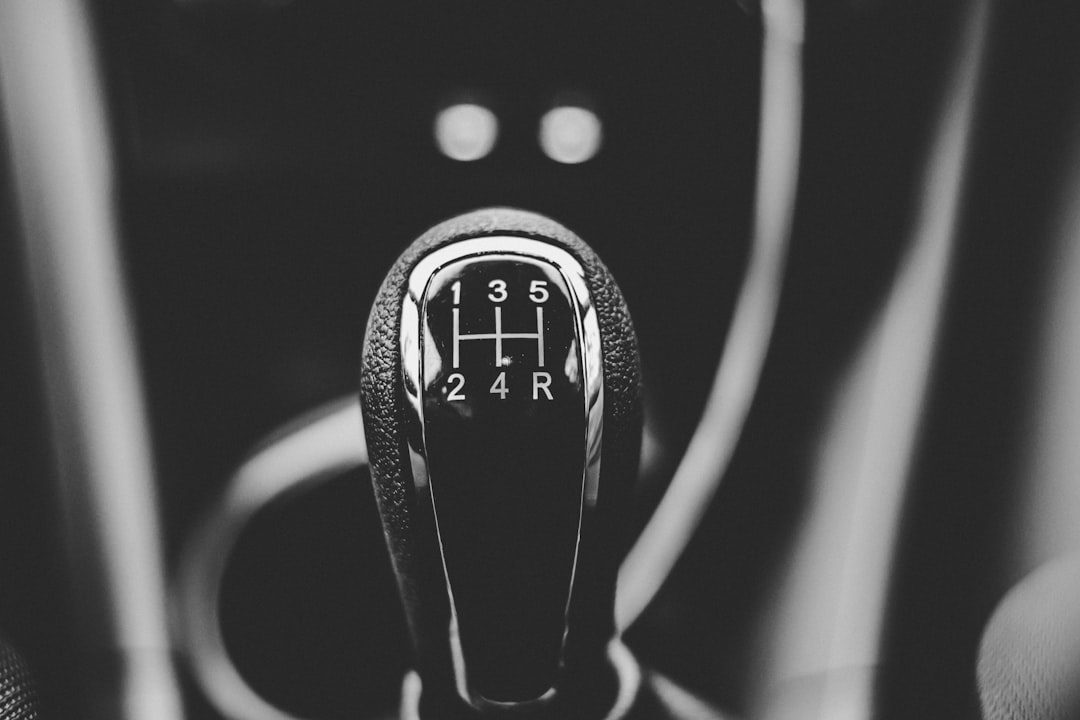
A shifter kart transmission is a sequential gearbox, usually six speeds, built into the engine cases of a gearbox kart and paired with a hand-operated wet clutch. You change gear with a lever beside the steering wheel, one gear at a time, up or down. Straight-cut gears are locked in by dog engagement rather than road-car synchros, which allows very fast shifts and is why most upshifts and downshifts are made without the clutch once the kart is rolling. Final gearing is tuned with front and rear sprockets. This guide explains how the transmission works, how KZ and Stock Moto gearboxes differ, how to shift properly, and how to maintain one so it lasts.
Part of our Kart Racing guide — explore the full guide →
How a Shifter Kart Transmission Works
Modern 125cc shifter engines, both KZ and Stock Moto, carry a motorcycle-style constant-mesh gearbox inside the engine cases. Power flows from the crankshaft through a primary gear to the clutch basket, through the clutch to the gearbox input shaft, across one selected pair of gears to the output shaft, and out through the front sprocket and chain to the rear axle.
Sequential selection. A shift drum with machined tracks moves the shift forks. Each stroke of the lever rotates the drum one position, so gears are always selected in order. There is no H-pattern and no way to jump from fourth to second in one movement.
Dog engagement. All gear pairs are always in mesh. Some gears spin freely on their shaft until a fork slides a gear or dog ring across, and the projecting dogs lock it to its neighbor. Dogs engage almost instantly when the shift is quick and decisive. If the shift is slow or half-made, the dogs skate against each other and round their edges, which is the main cause of jumping out of gear.
Wet clutch. The multi-plate clutch runs in the same oil bath as the gearbox and is operated by a hand lever on the steering wheel. Its main jobs are launching the kart and moving it at very low speed. On most shifter karts the gearbox oil is separate from the two-stroke engine itself, which is lubricated by premix fuel.
Shifter Kart Transmission Types
Gearboxes are tied to the engine family, and class rules usually restrict what can be changed inside them.
KZ gearboxes. Purpose-built karting engines from makers such as TM Racing, IAME, Vortex, and Modena have six-speed gearboxes designed for kart use. Ratios and internals are fixed by homologation for CIK-FIA KZ classes and their national equivalents. Shift action is short and precise.
Stock Moto (Honda CR125) gearboxes. These are motocross transmissions run largely as Honda designed them, under spec rules. Drivers often describe the shift throw as longer and the box as durable and inexpensive to service. Rules on which internal parts may be changed vary, so check your class rulebook.
250cc and four-stroke gearboxes. Superkart engines and four-stroke shifter classes use their own motorcycle-derived gearboxes. The principles are the same, but parts and service support depend heavily on the engine.
Two-speed direct-drive engines. Some TaG-style engines, such as the Rotax DD2, use a two-speed gearbox shifted with paddles. They sit between single-speed and full shifter karts. Our go-kart with paddle shifters guide covers that format.
For a closer look at the gearbox internals and common failure points, see our shifter kart gearbox guide.
Shifter Kart Transmission Setups Compared
Cost ranges are rough USD guides for gearbox-related service and vary by builder, region, and how much wear is found.
| Setup | Gearbox | Shift feel | Typical service cost | Best for |
|---|---|---|---|---|
| KZ / KZ2 | 6-speed sequential, homologated | Short, precise | Several hundred dollars and up | Serious gearbox racing |
| Stock Moto 125 | CR125-based sequential, spec rules | Longer throw, forgiving | Usually lower than KZ | North American club racing |
| Two-speed direct drive | 2-speed, paddle-shifted | Simple, quick | Varies by engine and dealer | Stepping toward shifters |
| Vintage and older shifters | 5 or 6 speeds, varied | Varies | Depends on parts availability | Vintage events, track days |
How to Shift a Shifter Kart Transmission
Good technique matters more for gearbox life than almost anything else. These are the widely taught basics; your coach or engine builder may refine them for your engine.
Launching. Select first gear with the clutch in, bring the revs up, and release the clutch progressively. This is the clutch’s main job. Avoid long, slipping launches in practice, because they wear the plates and heat the oil.
Upshifts. Most drivers upshift without the clutch. Many shift flat, with the throttle held open, using a firm, fast lever stroke; others prefer a very brief lift. What matters is that the shift is complete and decisive. Ask your engine builder what your specific engine is set up for.
Downshifts. Brake first, then downshift one gear at a time, blipping the throttle on each shift so engine speed matches road speed. Do not rely on the gearbox to slow the kart, and avoid downshifting so early that the engine is pushed past its safe rev limit.
A short checklist:
- Make every shift a full, firm lever stroke. Half shifts damage dogs.
- Blip each downshift and let the revs settle before the next one.
- Keep your clutch hand off the lever except for launches and very slow running.
- If shifts feel notchy for a whole session, check oil and linkage before blaming yourself.
Expect it to take several track days before shifting becomes automatic. The extra workload is a big part of why shifters are a step up from single-speed karts, as our sprint vs shifter karts comparison explains.
Gearing and Sprocket Changes
Because internal ratios are fixed in most classes, gearing is tuned at the final drive. A larger rear sprocket or smaller front sprocket shortens the gearing for more acceleration and a lower top speed. The opposite lengthens it.
A common starting point is to gear the kart so the engine approaches, but does not exceed, its useful rev range at the end of the longest straight in top gear. Teams then adjust based on lap times, data, and driver feedback. Keep notes for each track, since good gearing changes with weather, grip, and tire wear. Our go-kart sprockets guide covers sizing and ratios.
Maintenance and Running Costs
Gearbox upkeep is cheap compared with two-stroke engine rebuilds, provided it is done on schedule.
Oil changes. The gearbox and clutch share their oil, so worn or contaminated oil hurts both shift quality and clutch bite. Many teams change it every race weekend or after a few hours of running. Use the oil type and quantity your engine manufacturer specifies. A drain bolt with a magnet helps: fine metallic glitter is an early warning of dog, fork, or bearing wear.
Shift linkage. Worn rod ends and loose mounts make shifts vague, and vague shifts damage dogs. Check linkage play and adjustment regularly. Our shifter kart shift linkage guide walks through setup.
Clutch. Inspect plates and springs at the interval your builder recommends, more often if you practice many starts. Adjust the cable so the clutch fully disengages and fully engages.
Teardowns. A full gearbox inspection of dogs, forks, drum, and bearings is usually done alongside bottom-end engine work. Costs vary widely with what needs replacing, from a modest service to several hundred dollars or more for a set of gears and forks.
Pros
- Several ratios keep the engine in its powerband at every corner
- Dog engagement allows very fast clutchless shifts
- Gearing is easy to tune with sprockets
- With good oil and technique, gearboxes are durable
Cons
- Slow or incomplete shifts quickly wear dog rings
- Shared oil means neglect damages both clutch and gearbox
- Adds service items a single-speed kart does not have
- Downshift rev-matching takes practice to learn
Common Problems and Fixes
Jumping out of gear. Usually rounded dogs or bent forks, often from incomplete shifts. Check linkage first, then plan an inspection.
Hard or notchy shifting. Often old oil, a clutch that is not fully disengaging, or a misadjusted linkage.
Clutch slip. Worn plates, weak springs, or the wrong oil. Replace with parts and oil specified for your engine.
False neutrals. Can come from a worn shift drum detent or a short lever stroke. Make sure the lever travels fully.
Frequently Asked Questions
Do shifter karts have a clutch?
Do you lift off the throttle to upshift a shifter kart?
How often should I change shifter kart gearbox oil?
How many gears does a shifter kart have?
Why does my shifter kart pop out of gear?
Can you skip gears on a sequential kart gearbox?
Final Thoughts
A shifter kart transmission rewards two things: decisive technique and fresh oil. Shift firmly, blip one gear at a time on the way down, keep the linkage tight, and follow your builder’s service intervals, and the gearbox will be one of the most reliable parts of the kart. For the engine side, read our shifter kart engine guide, and for classes, licenses, and where to race, see our go-kart racing hub.