
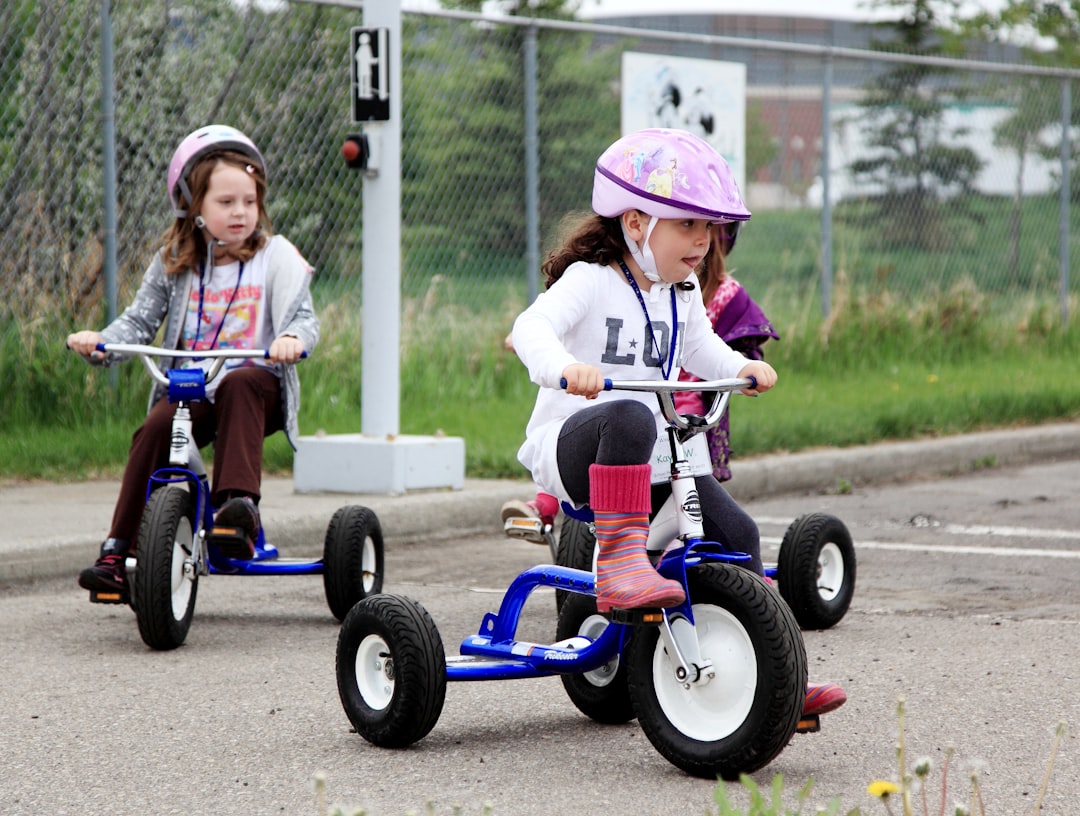
An adult pedal go-kart is a human-powered, four-wheeled kart with a frame, seat, and drivetrain sized for grown riders rather than children. You sit low, steer with a wheel, brake with a hand or foot lever, and drive the rear wheels through a bicycle-style chain. There is no engine, no battery, and no fuel, so running costs are close to zero and upkeep is basic bicycle maintenance. In return, your legs supply all the power. This guide explains what separates a true adult pedal go-kart from a stretched kids’ model, the main types, typical costs, how to choose one for your height, weight, and terrain, and the honest trade-offs against a gas or electric kart.
Part of our Kids Go-Karts guide — explore the full guide →
What Is an Adult Pedal Go-Kart?
Think of an adult pedal go-kart as a recumbent bicycle with four wheels and a steering wheel. The rider sits in a bucket or sling seat, pushes pedals mounted ahead of the seat, and a chain carries that effort to the rear axle. Steering is usually a wheel on a column, though some designs use hand levers.
What makes it an adult kart rather than a child’s one is the structure. Adult models use a reinforced steel frame, a longer wheelbase, larger wheels, a seat that slides far enough back for long legs, and a higher stated weight capacity. Better examples add multiple gears, a freewheel so you can coast without the pedals spinning, and a proper brake rather than relying on back-pedaling.
These karts belong firmly in the recreational category. They are built for driveways, cul-de-sacs, parks, paved paths, campgrounds, and resorts, not for racing or jumps. For a broader look at the whole category, including models for children, see our pedal go-kart hub.
For many adults, the appeal is the combination. A pedal kart gives you the low, planted, wind-in-your-face feel of a go-kart without noise, fumes, fuel runs, or charging schedules. It is quiet enough for a suburban street, safe enough to ride alongside kids on bikes, and durable enough to sit in a garage for months and work the moment you climb back in. Because it has no motor, it may also be allowed in some parks and campgrounds where motorized vehicles are not, though local rules vary, so check before you ride.
Types of Adult Pedal Go-Karts
Adult pedal karts fall into a handful of categories defined by gearing, seating, and the surfaces they are meant for.
Single-speed recreational cruisers are the most common and the most affordable. They are comfortable, simple, and easy to store, and they suit flat, smooth ground where you never need to climb.
Multi-speed and geared karts add derailleur or internal hub gears, much like a bicycle. Lower gears let you climb moderate hills; higher gears let you cruise faster with less effort. If your riding area has any slope, this is the type to consider first.
Reverse-capable karts include a mechanism that lets you pedal backward. It sounds minor, but it makes tight driveways and parking spots far easier because you do not have to climb out and push.
Off-road and rugged pedal karts use larger, knobbier tires, more ground clearance, and heavier frames to handle grass, gravel, and hard-packed trails. They are still far from true off-road machines; our off-road pedal kart guide covers this niche in depth.
Two-seat pedal karts let two riders pedal side by side and are popular at resorts and for family cruising. They are wider, heavier, and carry a higher combined load rating; see our two-seater pedal kart guide for the details.
Within every category, drivetrain quality separates a kart that lasts from one that rattles apart. Cheaper karts use a basic chain drive with plastic bushings, which is fine for light use on flat ground but flexes and wears under a heavy adult. Better karts run a bicycle-grade chain, sealed bearings, and a freewheel. If you plan to ride often or you are a larger rider, spend up for the sturdier drivetrain. Riders who need extra margin should also read our guide to the heavy-duty pedal go-kart for adults.
Best Go Kart for Adults: our top 3 picks
| Product | Best for | Key features | Price | Buy |
|---|---|---|---|---|
| esheno 150cc 2-Seater | Best overall gas kart for adults |
| $1,899.00as of Oct 27, 2026 6:45 am EDT | Buy now →Check current price |
| Zyliathor 72V 3000W | Best electric kart for adults |
| $2,800.00as of Oct 27, 2026 5:25 am EDT | Buy now →Check current price |
| Zyliathor 212cc | Best solo off-road gas kart |
| $1,600.00as of Oct 27, 2026 6:45 am EDT | Buy now →Check current price |


Prices are Amazon’s listed prices as of the date and time shown and are subject to change; the price on Amazon at the time of purchase applies. As an Amazon Associate we earn from qualifying purchases.
Adult Pedal Go-Kart Types Compared
| Type | Gearing | Best surface | Effort | Typical price (USD) | Best for |
|---|---|---|---|---|---|
| Single-speed cruiser | One gear | Flat, smooth | Low on flat, high on hills | $250–$700 | Driveways, parks, casual rides |
| Multi-speed / geared | Several gears | Mixed, gentle hills | Adjustable | $450–$1,200 | Varied terrain, fitness |
| Reverse-capable | Varies | Flat to mixed | Low to moderate | $400–$800 | Tight spaces |
| Rugged / off-path | Usually multi-speed | Grass, gravel, packed trails | Moderate to high | $500–$1,200 | Parks, trails, campgrounds |
| Two-seat | Varies | Flat, paved | Shared | $700–$1,500 | Families, resorts |
Cost and Running Costs
A basic single-speed adult pedal go-kart typically runs about $250 to $700. Geared, reverse-capable, or rugged models usually land between roughly $450 and $1,200, and heavy-duty two-seaters can reach around $1,500. Brands with high weight ratings and better components sit at the top of those ranges.
That is a fraction of the price of a powered kart, and the ongoing cost is close to nothing. There is no fuel, oil, or charging. Expect occasional spending on tires or tubes, brake pads, chain lube, and the odd bearing, almost all of which are inexpensive bicycle-grade parts. To see how the pedal category compares with gas and electric machines on total cost, read how much does a go-kart cost.
Two hidden costs are worth planning for. Most karts ship partly disassembled, so allow time for assembly or pay a local bike shop to do it and check brake adjustment. And because adult pedal karts are wide and generally do not fold, you may need a trailer, pickup, or large SUV to take one anywhere beyond your own street.
How to Choose an Adult Pedal Go-Kart
Start with weight capacity. This is the single most important spec, because many karts marketed as “adult” are really teen-sized. Many adult models are rated somewhere around 220 to 300 pounds, and two-seaters higher, but ratings vary widely by brand. Confirm the stated capacity clears your weight with a comfortable margin rather than sitting right at the limit.
Check fit, not just height range. Look at the seat adjustment range and the distance from seat to pedals. Your legs should extend almost fully at the bottom of each stroke. A cramped fit robs you of power and is hard on your knees, and it is the most common reason buyers are disappointed. A sliding seat or telescoping steering column also lets riders of different sizes share one kart.
Match gearing to terrain. Single-speed is fine for flat, smooth ground. If you face any inclines or headwinds, multi-speed gearing is worth the extra cost, because a heavy single-speed kart becomes tiring quickly on a slope.
Prioritize brakes. A loaded adult kart carries real momentum. Look for a dedicated hand or foot brake, ideally with both, rather than a back-pedal or friction pad on a tire. Brakes are often an afterthought on cheap models.
Choose frame and tires for your surfaces. Steel frames add weight but outlast plastic-heavy designs. Pneumatic (air-filled) tires ride more comfortably than solid ones; knobby tires and extra clearance help on grass and gravel.
Consider steering and size. A tight turning circle makes driveways and paths far more usable, while a wider one feels stable but clumsy in confined spaces. Measure your shed, garage, or vehicle before you buy. If you can, sit in a kart before purchasing; it tells you more about fit than any spec sheet.
Read owner reviews for durability. Inexpensive models can arrive with soft brakes and flexy frames. Look for consistent comments about frame stiffness, chain and bearing wear, and how well the kart holds up over a season or two.
Speed, Effort, and Exercise
Set expectations on speed. On flat, smooth ground a fit adult can reach a pace roughly comparable to a casual bicycle ride in short bursts, while sustained cruising is slower. Top speed depends on your fitness, the gearing, the tire type, the surface, and the kart’s weight. These machines are about fun and exercise, not outright pace.
That effort is also the main benefit. Because the kart is entirely human-powered, it delivers a genuine low-impact leg and cardio workout. The recumbent seating position supports your back, and gears let you raise or lower the effort to suit your fitness. For many owners, the kart becomes a way to get regular exercise that does not feel like a workout.
The flip side is that hills and headwinds are hard work. Be honest about where you will ride and how fit you are, and choose gearing accordingly. If you want speed without effort, a motorized kart is the better fit.
Safety and Maintenance
Pedal karts sit low, which makes them hard for drivers to see. Ride on private property, paths, or quiet areas, add a safety flag and reflectors if you will be near traffic, and check whether local rules allow pedal karts on shared paths. A bicycle helmet is a sensible habit, especially for riders who push the pace or ride rough ground.
Maintenance is light and familiar to anyone who has owned a bike:
- Keep the chain clean and lubricated, and check its tension.
- Check tire pressure before each ride on pneumatic tires.
- Inspect brake pads and cable adjustment regularly.
- Tighten frame, seat, and steering hardware periodically, since vibration loosens bolts.
- Store the kart under cover to protect bearings, cables, and the seat.
Done consistently, that routine keeps a well-built kart running for years.
Pedal vs Electric: Which Suits You?
The pedal kart’s appeal is simplicity, silence, fitness, and rock-bottom running costs. An electric kart offers real speed without effort and still needs little maintenance, but it costs more to buy, needs charging, and eventually needs a new battery. If you want to compare the powered route, our electric go-karts complete guide explains how they work, and the best electric go-karts for adults roundup lists adult-sized options, including two-seat models. New to karts in general? The go-karting complete beginners guide puts the pedal category in context.
Pros and Cons
An adult pedal go-kart is a specific tool with clear strengths and honest limits.
Pros
- No fuel, battery, or engine maintenance
- Genuine low-impact cardio exercise
- Low purchase price and near-zero running cost
- Quiet, clean, and family-friendly
Cons
- Slower than gas or electric karts
- Hills and headwinds take real effort
- Wide and awkward to store or transport
- Cheap models can have flexy frames and weak brakes
Frequently Asked Questions
Are pedal go-karts good for adults?
How fast does an adult pedal go-kart go?
What weight can an adult pedal go-kart hold?
Can an adult pedal go-kart handle hills?
Do pedal go-karts work on grass or gravel?
How much maintenance does a pedal go-kart need?
Should an adult choose a pedal or electric go-kart?
Final Thoughts
An adult pedal go-kart is the simplest and cheapest way into the go-kart experience: no fuel, no charging, no engine, just your legs and a chain drive. The right choice comes down to a genuinely adult-rated frame with enough weight capacity, a seat range that fits your legs, gearing matched to your terrain, and real brakes. Accept that effort replaces the engine and it makes an excellent recreational machine. If you would rather have speed without the workout, the best electric go-karts for adults roundup is the natural next step.