
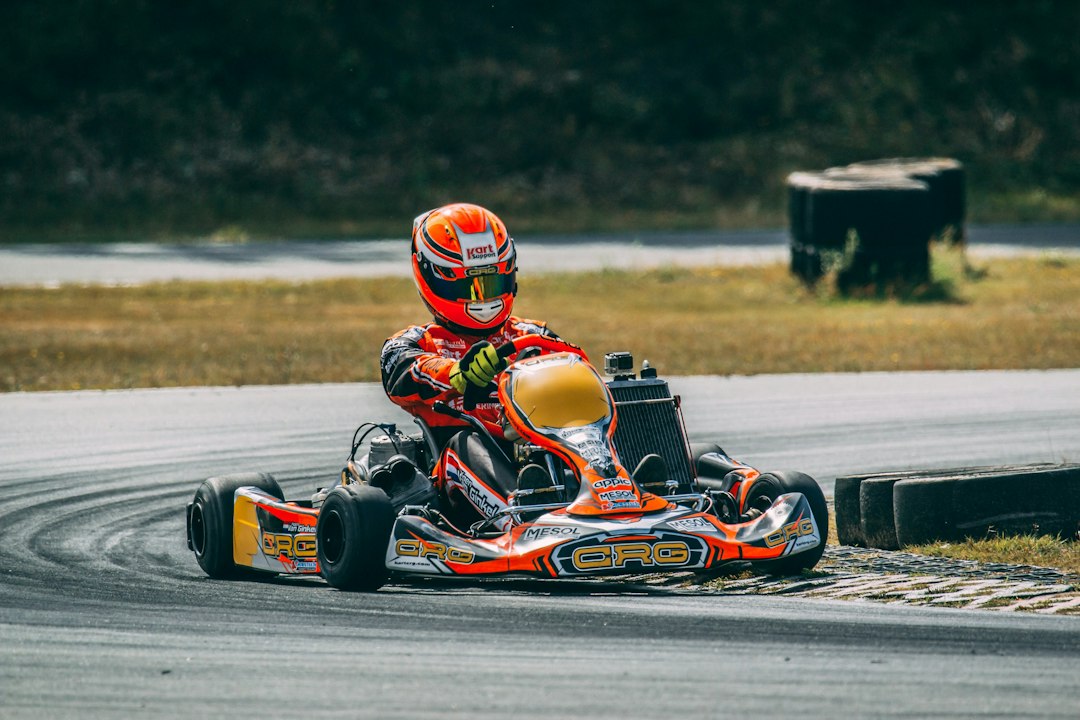
Cross kart parts cover everything that keeps these small, single-seat off-road racers running: the roll-cage chassis, motorcycle-derived engine and sequential gearbox, long-travel suspension, chain drive, brakes, wheels, and safety equipment. Cross karts, often called crosskarts, race on mixed gravel and asphalt or dirt tracks and take more punishment than most karts, so parts selection and spares planning matter. This guide explains the main cross kart parts and what each does, how they differ from regular kart and buggy parts, typical USD costs, how to choose replacements, and how to maintain a cross kart between events.
Part of our Off-Road Go-Karts guide — explore the full guide →
What Are Cross Kart Parts?
A cross kart is a purpose-built off-road racing car with a tubular safety cell, a mid- or rear-mounted motorcycle engine, and independent suspension. It sits between a racing kart and a buggy in size and complexity. Because of that, its parts come from several worlds: motorcycle engines and gearboxes, buggy-style suspension, and motorsport safety hardware.
Many components are specific to the chassis builder, especially suspension arms, uprights, and body panels. Others, such as engines, chains, sprockets, brake components, and seats, are more widely available. Our guide to cross kart racing explains classes and how events run if you are new to the sport. Builders comparing platforms can also look at buggy go-kart parts.
Main Cross Kart Parts and What They Do
Chassis and roll cage. The tubular frame doubles as the driver’s safety cell. It must meet the structural requirements of the sanctioning body. Our cross kart frame guide covers design and materials.
Engine. Most cross karts use motorcycle engines with integral sequential gearboxes, commonly in small-displacement and larger-displacement classes. The class sets which engines are allowed and whether they must stay standard.
Gearbox and shifter. The engine’s built-in sequential gearbox is shifted by a lever or a remote linkage. Some cars use paddle or sequential lever systems routed to the cockpit.
Drivetrain. A chain drives a rear axle or a spool. Some cross karts use a solid rear axle with a sprocket carrier; others use a differential or spool with driveshafts to independent rear hubs.
Suspension. Double wishbones or trailing arms with coil-over shock absorbers give long travel for jumps and rough surfaces. Adjustable shocks allow tuning of ride height, preload, and damping.
Steering. Most use a rack and pinion system with tie rods and rod ends. Steering parts take hard impacts and are common spares.
Brakes. Hydraulic disc brakes, often on all wheels or with a strong rear setup, controlled by a pedal and master cylinder. Some cars use a brake bias adjuster.
Wheels and tires. Small-diameter wheels with off-road or mixed-surface tires. Tire choice is often controlled by class rules.
Safety equipment. Racing seat, multi-point harness, window nets or arm restraints, fire extinguisher, kill switch, and fuel cell, as required by the regulations.
The Best Off-Road Go-Karts: our top 3 picks
| Product | Best for | Key features | Price | Buy |
|---|---|---|---|---|
| X-PRO Rover 125cc | Best off-road kart overall |
| $1,459.00as of Oct 27, 2026 5:25 am EDT | Buy now →Check current price |
| Zyliathor 72V 3000W | Best electric for rough terrain |
| $2,800.00as of Oct 27, 2026 5:25 am EDT | Buy now →Check current price |
| Zyliathor 212cc Pro | Best gas power for trails |
| $1,600.00as of Oct 27, 2026 5:25 am EDT | Buy now →Check current price |


Prices are Amazon’s listed prices as of the date and time shown and are subject to change; the price on Amazon at the time of purchase applies. As an Amazon Associate we earn from qualifying purchases.
Cross Kart Parts Compared by Category
| Part Category | Source | Interchangeability | Typical Wear or Damage | Typical USD Range |
|---|---|---|---|---|
| Engine and gearbox | Motorcycle-derived | Good within engine family | Rebuilds by hours of use | About $1,500 to $6,000+ per engine |
| Suspension arms and uprights | Chassis builder | Low, brand specific | Bends in impacts | About $80 to $300 per part |
| Shock absorbers | Specialist suppliers | Moderate | Seal and damping wear | About $200 to $800+ each |
| Chain and sprockets | Motorcycle and kart suppliers | High | Regular wear | About $30 to $150 per item |
| Steering rods and rod ends | Builder or motorsport suppliers | Moderate | Bent or worn joints | About $20 to $120 per part |
| Safety gear in the car | Motorsport suppliers | High | Expiry dates, damage | About $100 to $600 per item |
Ranges are broad and vary by region and brand. Imported parts may also carry significant shipping costs.
Cross Kart Parts Costs Over a Season
Running costs depend on class, how hard you race, and how often you make contact. Engines are the largest single cost, with periodic rebuilds and occasional failures. Tires, chains, sprockets, brake pads, and fluids are the steady consumables. Suspension arms, steering parts, and body panels are the typical crash items.
Many racers keep a spares box with a set of front arms, tie rods, rod ends, a spare chain and sprockets, brake pads, and levers. That kit often decides whether you finish an event after a minor incident. If you are still building or buying the car, our crosskart kit guide covers build costs, and our cross kart for sale guide covers buying complete cars.
How to Choose Cross Kart Parts
Read the technical regulations first. Cross kart rules typically control engine type and modifications, chassis safety structure, harnesses, seats, fuel systems, and sometimes tires. Your national motorsport authority or club publishes the current rulebook; check it before buying anything.
Use builder parts for suspension and steering. Geometry and mounting points are specific to each chassis. Generic arms rarely fit correctly.
Match engine parts to the exact model and year. Motorcycle engines change between model years. Use part numbers, not just the model name.
Check safety equipment dates. Harnesses and some seats carry homologation labels with expiry dates. Scrutineers will check them.
Buy quality fasteners. Use rated bolts and locking nuts on suspension and steering. Cheap hardware is a false saving.
Upgrades That Make the Biggest Difference
New racers often look first at engine upgrades, but class rules frequently limit them, and the gains can be small compared with setup. Shock absorber servicing and adjustment, correct ride height, and sensible tire pressures usually make a bigger difference to lap time and consistency than bolt-on power.
Driver comfort parts also pay off. A correctly fitted seat, a steering wheel at the right reach, and a shifter positioned so you can change gear without moving your body all help you drive consistently over a long event. Quick-release fittings for the steering wheel and easy-access body panels speed up repairs between heats.
Finally, good data helps. Even simple tools such as a lap timer, a tire pressure gauge, and a notebook of settings turn parts into tuning decisions rather than guesses.
Used Cross Kart Parts
Used parts are common in the cross kart world because racers change cars and classes. Used engines can be good value if they come with known hours and rebuild history. Ask for compression figures or a recent rebuild receipt. Used suspension and steering parts should be checked for straightness and cracks before fitting. Used safety equipment should only be bought if it is in date and undamaged.
Maintenance Between Events
Clean the car thoroughly after each event. Mud and gravel hide cracks and accelerate wear. Inspect all welds on the frame and suspension mounts, the rod ends for play, the shock absorbers for leaks, and the chain for stretch.
Follow the engine manufacturer’s schedule for oil changes, valve checks, and top-end rebuilds, adjusted for race use. Bleed brakes regularly and replace pads before they reach the backing plate. Torque suspension and steering fasteners to the builder’s specifications, and mark them with paint so you can spot movement at a glance.
Safety Notes
Cross karts can roll and land hard. The cage, seat, harness, and window protection are what keep the driver safe, so never compromise on them. Replace any harness that has been in a significant impact, and repair cage damage properly rather than bending it back. Personal safety gear such as helmet, head and neck restraint, and fire-resistant suit should meet the standards in your rulebook. Our kart racing gear guide covers the basics of driver equipment.
Pros and Cons
Cross kart parts reflect a capable but demanding race car.
Pros
- Motorcycle engines are widely available and well understood
- Long-travel suspension is tunable for many surfaces
- Common drivetrain parts are easy to source
- Strong used parts market among racers
Cons
- Many suspension parts are brand specific
- Engine rebuilds are the largest running cost
- Contact racing means frequent crash repairs
- Some parts need importing with long lead times
Frequently Asked Questions
What engines do cross karts use?
Are cross kart parts the same as buggy parts?
What spare parts should I bring to a race?
How often does a cross kart engine need rebuilding?
Can I buy cross kart parts used?
Final Thoughts
Cross kart parts blend motorcycle engines, buggy-style suspension, and motorsport safety hardware. Start with the rulebook, buy chassis-specific parts from the builder, keep a sensible spares box, and maintain the car thoroughly between events. If you are planning a build, continue with our crosskart kit guide.