
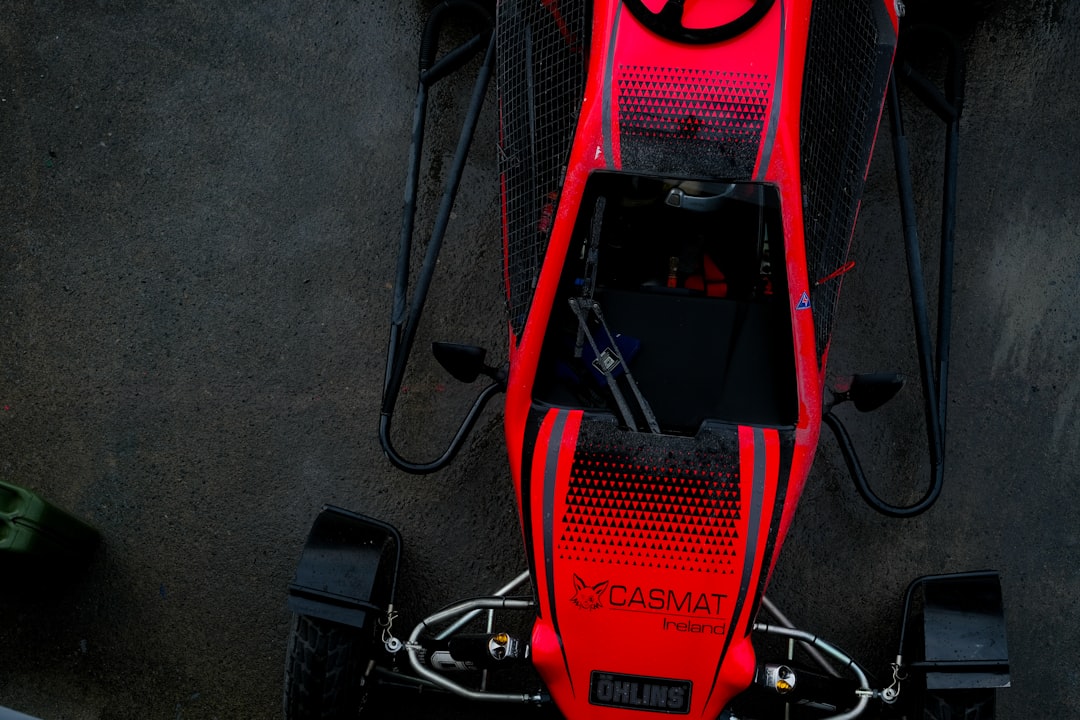
Sourcing buggy go kart parts is a different game from shopping for racing kart components. Off-road buggy karts — the roll-caged, suspended, CVT-driven machines sold by import brands and hardware chains — share a surprisingly standardized parts ecosystem built around GY6 and CN250 drivetrains, live axles, and belt-drive transmissions. That standardization is good news: most parts are cheap and interchangeable. The bad news is that quality varies wildly and the same components fail again and again. This guide maps the buggy kart parts ecosystem, identifies the usual failure points, and shows you how to source replacements that outlast the originals.
How the Buggy Kart Parts Ecosystem Works
Most buggy karts sold in North America trace back to a handful of Chinese and Taiwanese factories, which is why a 150cc kart from one brand often accepts parts labeled for another. The heart of the system is the engine platform. The GY6 — an air-cooled 4-stroke single sold in 150cc and (less commonly) 125cc kart form — powers the bulk of the market. Bigger karts step up to the water-cooled CN250 and its air-cooled CF250 cousin. Both platforms use an integrated CVT (continuously variable transmission) with a drive belt, variator, and clutch packed into a long transmission case.
Downstream of the CVT, power runs through a short chain to a live rear axle: one solid shaft, both rear wheels locked together, carried in flange-mounted bearings on the frame. Steering, brakes, and suspension are similarly commoditized — the same calipers, tie rod ends, and coil-over shocks appear across dozens of brands. Once you learn the platform, you can fix almost anything on these karts; our broader go-kart parts guide covers how these components compare to their racing counterparts.
Types of Buggy Go-Kart Parts
Engine and drivetrain. GY6 top-end kits, carburetors, starters, and complete replacement engines are everywhere and cheap — a whole GY6 150 long-case engine often costs $300 to $500. CN250 parts cost more but remain plentiful. For power context against other options, see our Predator go-kart engine guide.
CVT components. Drive belts, variator rollers, clutch shoes, and torque springs. The belt is a wear item, full stop. Buy the correct belt size (printed on the old belt, e.g. 743-20-30 for many GY6 150s) and keep a spare in the toolbox.
Axle and chassis hardware. Live axles (commonly 1 in or 25 mm diameter), flanged bearing blocks, sprocket and brake-rotor carriers, hubs, and wheel studs. Bent axles and seized bearings are routine after hard off-road use.
Suspension and steering. Coil-over shocks, A-arm bushings, spindles, tie rods, and ball joints. These are the parts that take the beating on rough terrain.
Brakes, cables, and electrics. Hydraulic calipers and rotors, throttle cables, kill switches, CDI boxes, regulators, and starter relays — small, cheap, and frequently the reason a kart will not start.
Common Failure Points Compared
| Part | Typical lifespan | Failure symptom | Replacement cost |
|---|---|---|---|
| CVT drive belt | 1–2 seasons | Slipping, squealing, no drive | $10–$30 |
| Axle bearings | 1–3 seasons | Growling, wheel wobble | $10–$25 each |
| Carburetor | Varies (fuel quality) | Hard starting, bogging | $20–$60 |
| Tie rod ends / ball joints | 1–2 seasons off-road | Loose steering, clunks | $5–$20 each |
| Starter clutch / relay | 2–4 seasons | Click but no crank | $15–$50 |
| Drive chain and sprockets | 1–2 seasons | Noise, thrown chain | $25–$70 set |
Cost and Considerations
Individually, buggy kart parts are cheap — most wear items cost under $50. The trap is cumulative neglect: a $15 belt that shreds can take the belt cover and cooling ducting with it, and a $12 bearing that seizes can score a $70 axle. Plan on $100 to $300 a year in preventive parts for a regularly ridden kart, and more if you jump it. Set that against the purchase price using our breakdown of how much a go-kart costs and buggy karts remain one of the cheapest machines per hour of fun.
Quality tiers matter. The bottom-dollar parts on marketplace listings are often softer metal and looser tolerances than the originals. For belts, bearings, and ball joints — the parts your safety rides on — spend the extra few dollars on a name brand or a reputable powersports supplier rather than the cheapest listing.
How to Source and Install Parts
Identify your platform first. Find the engine case stamping (GY6 150, CN250, CF250) and measure critical dimensions before ordering: axle diameter, belt part number, rotor diameter, sprocket tooth count and chain pitch (usually 420 or 428 on buggy karts). Photos of your old part next to a tape measure prevent 90 percent of wrong orders.
Build a small spares kit and carry it. A belt, a set of axle bearings, a spare tie rod end, spark plug, and a handful of metric fasteners cover the vast majority of trailside failures for under $60 total. Buggy karts rarely strand you with exotic breakage — they strand you with a $12 part you did not have on hand.
Buy from powersports-focused suppliers that publish fitment by engine platform rather than by kart brand — the platform is the truth, the brand sticker is marketing. When installing, use thread locker on chassis fasteners (vibration is the number one loosener on these karts), torque axle bearing set screws properly, and align sprockets with a straightedge to stop chain-throwing. If you get deep enough into replacement work that you are basically re-engineering the kart, our guides on how to build a go-kart and the best go-kart kits and frames show when starting fresh beats patching.
Pros and Cons
The buggy kart parts ecosystem is a mixed blessing — abundant and affordable, but uneven in quality.
Pros
- Highly standardized GY6 and CN250 platforms with huge parts supply
- Most wear items cost under 50 dollars
- Cross-brand interchangeability makes orphaned karts rare
- Simple designs that home mechanics can service with basic tools
Cons
- Quality varies wildly between suppliers
- Frequent wear on belts bearings and steering joints
- Fitment listings are often vague or wrong
- Some brand-specific plastics and cages are genuinely hard to find
Frequently Asked Questions
Are buggy go-kart parts interchangeable between brands?
What is a GY6 engine?
How often should I replace the CVT belt?
Why does my buggy kart click but not start?
What size axle do buggy karts use?
Where is the best place to buy buggy kart parts?
Final Thoughts
Mastering buggy go kart parts comes down to learning the platform under the plastics. Identify whether you have a GY6 or CN250 heart, keep belts, bearings, and steering joints fresh, and buy by measurement rather than brand name. Do that and these karts will run cheaply for years. When you are ready to go beyond maintenance and start upgrading, our go-kart parts guide is the natural next step.