
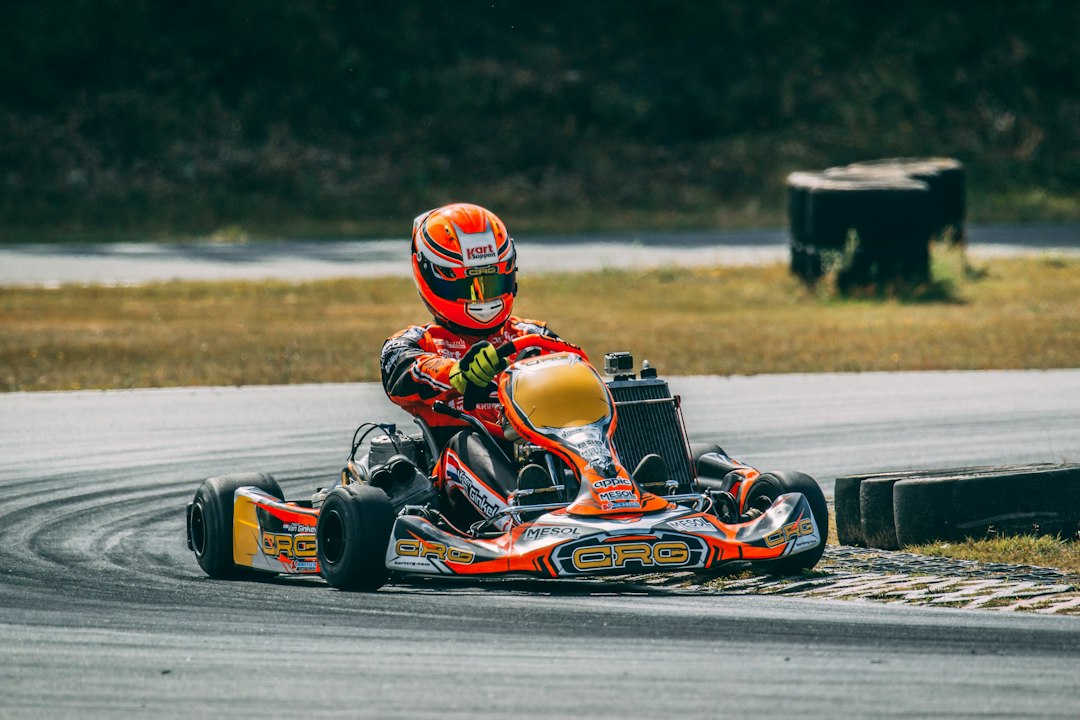
Dirt kart parts look similar to the parts on a paved sprint kart, but many of them are built and set up differently. Oval dirt karts turn left all night on a loose, changing surface, so the chassis, tires, axle, and even the seat position are arranged to load the right side and help the kart rotate. This guide explains the main dirt kart parts, what each one does, how they differ from road-course components, what they typically cost in USD, and how to decide which parts to replace or upgrade first when you are building, repairing, or improving a dirt oval kart.
Part of our Go-Kart Parts guide — explore the full guide →
What Makes Dirt Kart Parts Different
A dirt kart, in the North American sense, is usually an offset oval chassis. The frame places the seat and engine toward the left side of the kart so more weight sits on the inside of the turn. That one design choice changes how almost every part is chosen and installed.
Dirt racing also punishes parts in ways asphalt does not. Mud, clay dust, and water get into bearings, chains, and carburetors. Track conditions shift from heavy and tacky early in the night to dry and slick later, so racers adjust tires, gearing, and weight often. Parts need to be durable, easy to service between heats, and adjustable.
If you are new to the discipline itself, our guide to dirt kart racing covers classes, tracks, and how a race night runs. This article focuses on the hardware.
Main Dirt Kart Parts and What They Do
Chassis. The offset frame is the foundation. Dirt chassis have adjustable components such as caster and camber eccentrics, seat struts, and sometimes adjustable front ends. Frame tubing size and design affect how the kart flexes and transfers weight.
Rear axle. Many dirt chassis use a larger-diameter rear axle than older recreational karts. Axle stiffness affects how the kart drives off the corner, and many racers keep more than one axle to suit different track conditions. Measure your bearings before buying, because the bore must match.
Spindles and front end. The spindles carry the front wheels and set caster and camber. Dirt karts often use spindle and kingpin geometry tuned to help the kart turn left on a slick surface. Our guide to the go-kart steering spindle explains how spindles work in detail.
Wheels and hubs. Dirt karts commonly run different wheel widths and offsets on each side. Hubs come in various lengths so you can set track width front and rear, which is a major tuning tool on an oval.
Tires. Tires are the biggest variable on dirt. Racers choose compounds to suit conditions and run stagger, meaning a larger right rear tire than left rear, so the kart naturally turns left. Many classes restrict which tire you can use, so check your track rules first.
Engine. Popular dirt classes run four-stroke engines such as sealed spec engines or prepared clone-type engines, alongside some two-stroke classes. The engine you need depends entirely on the class at your track.
Clutch and drivetrain. Dry centrifugal clutches are common on four-stroke dirt karts. The drivetrain also includes the chain, axle sprocket, and sprocket hub. Gearing changes from track to track and even from heat to feature.
Brakes. Most dirt karts use a single rear hydraulic disc brake. On an oval you use the brake less than on a road course, but it still needs to be reliable and well bled.
Seat and bodywork. The seat is mounted low and offset, often laid back, and supported by struts that can be adjusted to change chassis feel. Dirt bodywork includes side pods, nerf bars, and a nose that also helps keep mud off the driver.
Dirt Kart Parts Compared by Type
The table below compares the main part groups by how often they are replaced and how much they affect handling. It helps you plan a budget.
| Part Group | Typical Replacement | Effect on Handling | Typical USD Range |
|---|---|---|---|
| Tires | Every few race nights, more often for competitive racers | Very high | About $50 to $120 per tire |
| Chain and sprockets | Several times per season | Medium, through gearing | About $10 to $60 per item |
| Rear axle | After bends or for tuning | High | About $100 to $250 |
| Spindles and kingpins | After crashes | High | About $40 to $150 per side |
| Clutch | Rebuild parts each season | Medium | About $100 to $300 |
| Chassis | Every few seasons | Very high | About $1,500 to $3,500 for a bare frame |
These are broad market ranges. Prices vary by brand, region, and whether parts are new, take-off, or used.
How Much Dirt Kart Parts Cost Over a Season
Running costs on dirt are driven mostly by tires, consumables, and crash damage. A club racer running a four-stroke class can often get through a season with a modest parts budget if they maintain the kart well and avoid big crashes. A racer chasing wins at a competitive track will usually spend much more, because fresh tires and spare axles, hubs, and gears add up quickly.
Plan for the predictable items first: tires, chains, sprockets, bearings, brake pads, oil, fuel, and air filter elements. Then set aside money for crash parts such as spindles, tie rods, nerf bars, and bodywork. For a full picture of annual spending, our karting cost per year budget guide breaks down typical categories.
How to Choose Dirt Kart Parts
Start with your class rules. Engine, tire, clutch, and sometimes exhaust choices are dictated by the class. Read your track or sanctioning body rulebook before buying anything performance-related.
Match your chassis manufacturer. Spindles, eccentrics, seat struts, and bodywork mounts often fit only one brand or model year. Use the manufacturer part numbers where possible.
Measure before you order. Axle diameter, keyway width, hub length, bearing bore, and chain pitch must all match. A wrong measurement wastes money and race nights.
Buy spares of what breaks. Spindles, tie rods, axles, nerf bars, and chain are the usual casualties. Having spares at the track saves a night.
Upgrade setup tools before speed parts. A set of scales, a tire pressure gauge, a stagger tape, and a toe gauge often find more speed than any new component. Many dirt racers learn more from setup data than from upgrades.
New vs Used Dirt Kart Parts
Used parts can be a smart buy for items that do not wear quickly, such as hubs, seat struts, steering wheels, and bodywork. Racers often sell take-off parts when they change chassis brands or step up a class.
Be more careful with used axles, spindles, and engines. A bent axle or cracked spindle is hard to spot in photos, and a tired engine can cost more to refresh than it saved. Our guide to used go-kart parts explains what to buy secondhand and what to avoid.
Maintenance Tips for Dirt Kart Parts
Clean the kart thoroughly after every race night. Dirt and clay hold moisture and grit that wear bearings and chain quickly and hide cracks. A pressure washer helps, but keep high pressure away from bearings, the carburetor, and electrical parts.
After cleaning, inspect the frame welds, spindles, tie rods, and axle. Spin the wheels and listen for rough bearings. Check the chain for stretch and stiff links, and lubricate it with a product suited to dusty conditions. Change engine oil as often as your engine builder recommends, because four-stroke racing engines work hard on short ovals.
Keep a simple setup log with tire choices, pressures, stagger, gearing, and weights. That record turns parts into tuning tools rather than guesses.
Safety Considerations
Dirt kart racing involves close contact and occasional rollovers. Bodywork and nerf bars protect the driver and help prevent wheel interlocking, so replace damaged pieces rather than racing with them bent. Check that the seat is secured with all mounting hardware and that the steering shaft, tie rods, and spindle bolts are properly torqued and safety-wired or cotter-pinned where required.
Driver gear matters as much as kart parts. A proper helmet, neck support, rib protection, and abrasion-resistant suit are standard at most tracks. Our kart racing gear guide covers what you need.
Pros and Cons
Building and maintaining a dirt kart with quality parts has clear benefits and some real costs.
Pros
- Parts are widely available from oval-focused suppliers
- Many components are adjustable for changing track conditions
- Four-stroke classes keep engine costs manageable
- Used take-off parts can stretch a tight budget
Cons
- Tires wear quickly and dominate running costs
- Mud and dust shorten bearing and chain life
- Many parts are brand specific and not interchangeable
- Crash damage to spindles and axles is common
Frequently Asked Questions
Are dirt kart parts the same as sprint kart parts?
What dirt kart parts wear out fastest?
Can I use a sprint kart chassis on a dirt oval?
What is stagger on a dirt kart?
Which part should I upgrade first?
Where do racers buy dirt kart parts?
Final Thoughts
Dirt kart parts are built around an offset chassis, a loose surface, and constant tuning. Learn what each part does, buy what your class rules require, carry spares of what breaks, and invest in setup tools before speed parts. If you are still shopping for a complete kart, start with our guide to buying a dirt kart for sale.