
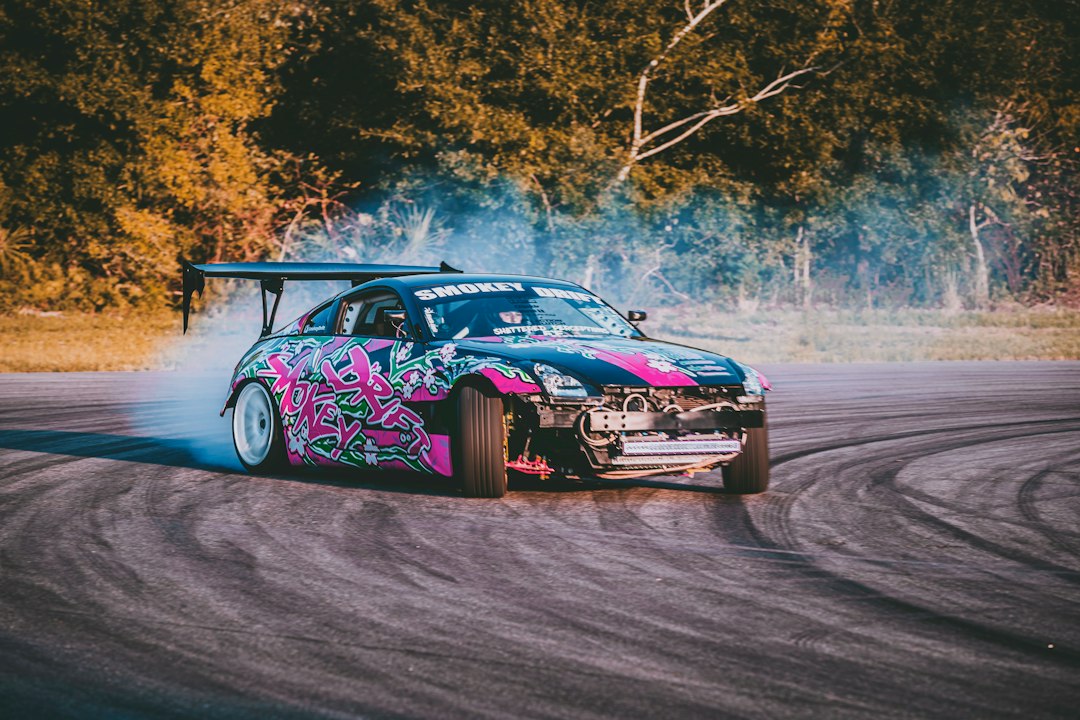
Drift kart racing takes the sideways style of car drifting and scales it down to small, low-grip karts. Instead of chasing the fastest lap with maximum traction, drivers slide the rear of the kart through corners, and events reward control, angle, and style as much as outright speed. It is a younger and less formalized scene than sprint karting, run mostly by venues, clubs, and enthusiast groups rather than one governing body. This guide explains what drift kart racing is, the formats you will find, who it suits, how to get started, what equipment you need, typical USD costs, and how it differs from conventional kart racing and car drifting.
Part of our Drift Karts & Drift Trikes guide — explore the full guide →
What Is Drift Kart Racing?
A drift kart is a kart designed to lose rear grip easily, usually by running hard, low-friction rear tires or tire sleeves. Many are electric, with instant torque that helps break traction. Drivers use steering, throttle, and sometimes a handbrake or brake bias to initiate and hold a slide.
Drift kart racing covers several styles of competition built around that ability. Some events are judged like car drifting, scoring line, angle, and smoothness. Others are timed courses where sliding is part of the fastest route, and some venues run head-to-head tandem runs for fun. If you are new to the technique itself, start with our guide on how to drift a go-kart.
Types of Drift Kart Events
Venue drift sessions. Indoor and outdoor entertainment venues increasingly offer drift kart sessions on smooth, polished floors. These are usually non-competitive, but some run leaderboards or league nights.
Judged drift competitions. Modeled on car drifting, drivers complete runs through a set course and judges score them on criteria such as following the ideal line, maintaining angle, and commitment. Formats and scoring are set by each organizer.
Tandem battles. Two drivers run together, with one leading and one chasing, then swap roles. The chaser is judged on how closely they follow while drifting.
Timed gymkhana courses. A cone course run against the clock, where controlled slides around tight obstacles can be faster than gripping. This tests precision as much as style.
Grassroots meetups. Groups of enthusiasts with their own drift karts or drift trikes meet in car parks, private lots, or rented spaces. Organization, rules, and insurance vary widely, so check before you attend.
Drift Kart Racing vs Other Disciplines
| Discipline | Objective | Grip Level | Typical Kart | Organization |
|---|---|---|---|---|
| Drift kart racing | Style, angle, line or time | Low (rear) | Electric or gas drift kart | Venues, clubs, informal groups |
| Sprint kart racing | Fastest lap and race win | High | Racing chassis, slick tires | Clubs, national and international bodies |
| Car drifting | Judged style and tandem | Low to moderate | Modified rear-drive car | National series and grassroots events |
| Drift trike riding | Sliding for fun, downhill or flat | Very low (rear) | Three-wheel trike | Mostly informal |
Who Drift Kart Racing Suits
Drift kart racing suits drivers who enjoy car control and style more than lap times. It is popular with teenagers and adults who follow car drifting but cannot afford a drift car, and with families looking for a new kind of venue experience. Because speeds are usually lower than sprint karting, it can feel less intimidating, although crashes and spins still happen.
It is less suitable if you want a structured ladder toward professional motorsport. Sprint karting remains the main path for drivers with those ambitions; see our go-kart racing guide for that route.
How to Get Started
Try a venue first. Book a drift kart session at a local venue to learn the basics with rental equipment and staff supervision. This tells you whether you enjoy the style before you buy anything.
Learn the fundamentals. Practice initiating a slide, holding it with throttle and steering, and recovering. Smooth inputs matter more than aggression.
Find events or groups. Ask venues about league nights, look for local drift groups, or follow organizers who run judged events. Confirm the format, equipment rules, and safety requirements in advance.
Consider your own kart. If you want to practice regularly, a personal drift kart allows sessions in suitable private spaces. Compare models in our best drift karts roundup.
Core Drift Kart Techniques
Initiation. The slide usually starts with a quick steering input combined with throttle, or a brief brake application to shift weight forward and unload the rear tires. On electric drift karts, a burst of throttle mid-corner is often enough to break the rear loose.
Holding angle. Once sliding, you balance throttle and countersteer to keep the kart at a consistent angle. Too much throttle spins the kart; too little lets the rear regain grip and straightens it.
Transitions. In linked corners, drivers swing the kart from one direction of slide to the other without straightening up. Smooth transitions score well in judged formats and are often the hardest skill to master.
Line and placement. Judged events often mark clipping points or zones. Placing the front or rear of the kart close to these markers shows control and earns points.
Practice each skill separately in an open area before combining them on a course. Short, focused sessions build consistency faster than long, tired ones.
Equipment You Need
Drift kart. Electric drift karts are common for younger riders and venue use; adult-sized and gas-powered karts exist for more experienced drivers. Our drift karts for adults guide covers sizing.
Helmet. A properly fitted helmet is essential. Many events require a full-face helmet.
Protective gear. Gloves, closed shoes, and long sleeves are basic. Some events or venues provide or require additional protection such as neck braces or rib protectors.
Spare sleeves and tires. Rear drift sleeves wear with use, so keep spares.
Tools and charger. For electric karts, a charger and a spare battery extend practice time. For gas karts, basic tools and spare chain links are useful.
Drift Kart Racing Costs
Venue drift sessions typically cost a similar amount to a standard rental kart session, often in the range of about $20 to $50 per session depending on venue and length. Entry fees for organized competitions vary by organizer.
Buying your own kart ranges widely: small electric drift karts for kids often cost a few hundred dollars, while adult and performance drift karts can run from around $1,000 to several thousand dollars. Budget for helmets and gear, rear sleeves, batteries or fuel, and transport. For a wider view of karting costs, see our go-kart cost guide.
Safety Considerations
Drift karts spin and can collide, so always drive in a controlled environment with suitable runoff, barriers, and supervision. Public roads are not appropriate. Check that the surface is clear of debris and that spectators stand behind barriers. Follow the organizer’s flags and rules, and respect any age or weight limits set by the manufacturer or venue.
Pros and Cons
Drift kart racing offers a different kind of fun from conventional karting.
Pros
- Teaches throttle and steering control at low speeds
- Lower entry cost than drift cars
- Accessible venue sessions for beginners
- Judged formats reward style as well as speed
Cons
- Few established competitive series or standard rules
- Limited path toward professional motorsport
- Rear sleeves and tires wear quickly
- Grassroots events vary widely in safety standards
Frequently Asked Questions
Is drift kart racing a real sport?
How are drift kart competitions judged?
Do I need my own drift kart to compete?
What age can you start drift kart racing?
Is drift kart racing dangerous?
How is drift kart racing different from regular karting?
Final Thoughts
Drift kart racing is a fun, accessible way to learn car control and enjoy sideways driving without the cost of a drift car. Start with venue sessions, build skills gradually, and check event formats and safety rules before entering competitions. For background on the karts themselves, read our main drift kart guide.