
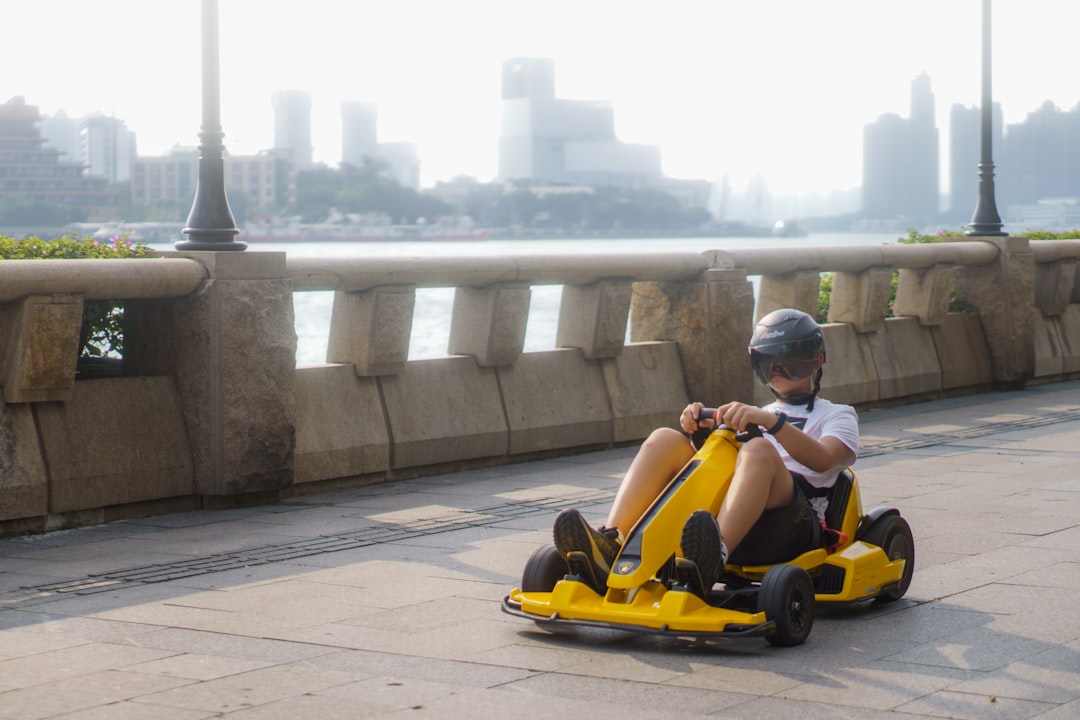
An electric go kart for kids is one of the safest, simplest ways to give a child the thrill of driving without the noise, fumes, or maintenance of a gas engine. With adjustable speed limits, parental remote controls on many models, and instant-but-controllable torque, electric karts have become the default choice for families. But the market ranges from $150 toddler toys to $2,000 performance karts, and matching the kart to your child’s age and ability is what keeps it safe and fun. This guide walks through the types, what to spend, the safety features that actually matter, and how to choose an electric go kart for kids that your child will not outgrow in a single summer.
What Is an Electric Go-Kart for Kids?
An electric go kart for kids is a battery-powered ride-on with a seat, steering wheel, and foot pedals, sized and speed-limited for children. Instead of a gas engine, it uses one or more electric motors driven by a rechargeable battery, delivering quiet operation and simple, near-maintenance-free running.
The defining advantage for parents is control. Most quality kids’ karts offer multiple speed settings, and many include a parental remote that can slow or stop the kart instantly. That makes electric karts far easier to supervise than gas models, and it is why they dominate the younger end of the market. For a wider view of options by age, our best go-karts for kids by age guide pairs well with this one.
Types of electric go kart for kids
Kids’ electric karts group roughly by age and performance:
- Toddler/preschool karts (3-5): Very low speed (2-5 mph), wide stable bases, often with parental remote override.
- Kids’ recreational karts (6-9): 6-12 mph, adjustable speed modes, sturdier frames and pneumatic or solid tires.
- Youth performance karts (10-14): 12-20+ mph, higher-torque motors, hand or foot brakes, and more serious chassis.
- Electric drift karts: Rear slick casters let the kart slide safely at low speed, a popular fun option covered in our best drift karts guide.
Speed should always follow age and experience, not the other way around. A cautious 8-year-old is better served by a capped recreational kart than an underused performance model.
Electric Kids’ Go-Kart Types Compared
| Type | Age Range | Top Speed | Typical Price |
|---|---|---|---|
| Toddler/preschool | 3-5 | 2-5 mph | $120-300 |
| Recreational | 6-9 | 6-12 mph | $250-600 |
| Youth performance | 10-14 | 12-20+ mph | $600-2,000 |
| Electric drift | 6-12 | 6-10 mph | $150-500 |
Cost and Considerations
Budget entry-level karts start around $120-300 and suit young children and short driveways. The $300-600 range buys sturdier recreational karts with adjustable speeds and better batteries, which is the sweet spot for most families. Youth performance karts run $600-2,000 and are worth it only for older or more experienced kids.
Look beyond the sticker price. Battery capacity determines run time (typically 30-60 minutes) and charge time (often 6-12 hours), so a spare battery can double the fun. Consider weight capacity, replacement-part availability, tire type (pneumatic tires ride better on rough ground), and build quality. Cheaper karts often use plastic components that wear quickly. For a broader ownership cost picture, our electric go-karts complete guide is a helpful companion.
How to Choose an Electric Go-Kart for Kids
Choose around your child, not the spec sheet:
- Start with age and confidence. Pick a top speed the child can genuinely handle and grow into, not the fastest available.
- Insist on speed control. Adjustable modes and, for younger kids, a parental remote are essential safety features.
- Match the terrain. Pneumatic tires and higher ground clearance for grass or gravel; smaller solid tires are fine for flat pavement.
- Check weight and height limits so the kart lasts more than one season.
- Prioritize a good brake and a proper seatbelt. These matter more than raw speed.
Whatever you choose, add a properly fitted helmet. Our best kart helmets 2026 guide explains sizing for children, and safe supervision practices are covered in our kids go-karts complete guide.
Pros and Cons
Pros
- Quiet, fume-free, and near maintenance-free
- Adjustable speeds and parental remote controls
- Instant but manageable torque is easy to learn on
- Wide range of ages and budgets covered
Cons
- Limited run time between charges
- Long charge times without a spare battery
- Cheaper models use flimsy plastic parts
- Kids outgrow lower-speed karts quickly
Frequently Asked Questions
What age can a child use an electric go-kart?
How fast do kids electric go-karts go?
Are electric go-karts safe for kids?
How long does the battery last?
Electric or gas go-kart for a child?
What safety gear does my child need?
Final Thoughts
An electric go kart for kids delivers real driving fun with the control and simplicity parents want. Focus on adjustable speed, a solid brake, the right tires for your terrain, and a size the child can grow into, then add a proper helmet and supervision. To compare options across ages, read our best go-karts for kids by age guide, and if your child loves sliding, the best drift karts roundup is a fun next step.