
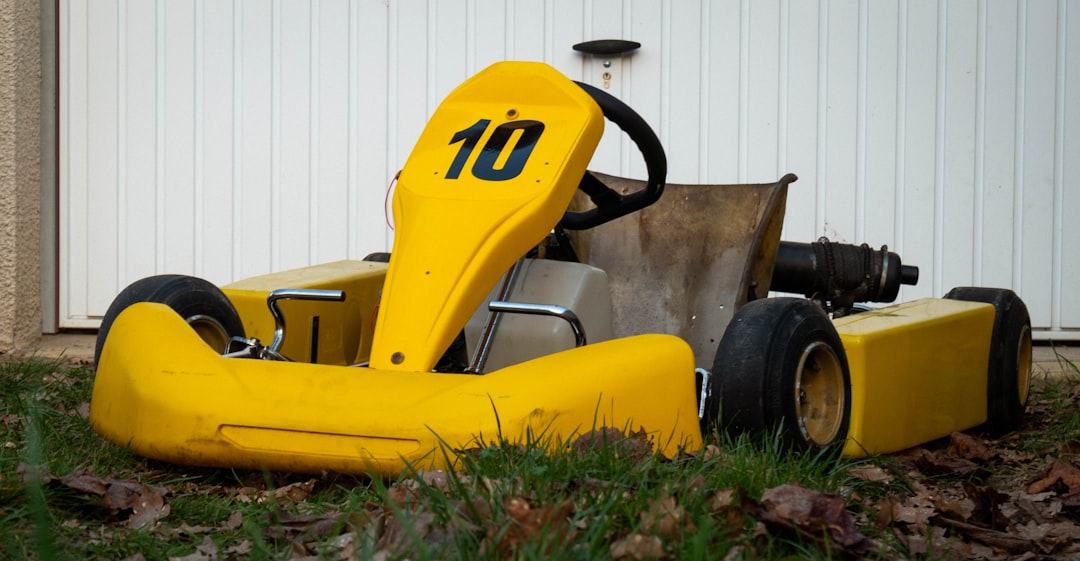
Ten is a sweet spot for karting: old enough for real speed and real control, young enough that the wrong kart is either boring in a week or too much too soon. The best electric go kart for 10 year old drivers sits in the 24V to 36V range, tops out around 8 to 15 mph, and offers an adjustable frame plus a parent-controlled speed limiter. This guide breaks down what actually matters at this age, compares our picks by budget tier, and covers the cost, space, and supervision questions parents ask most — so the kart you buy gets ridden all year, not returned in January.
What Makes the Best Electric Go Kart for 10 Year Old Drivers
A typical 10-year-old weighs roughly 60 to 90 pounds and is growing fast, so the checklist is specific. Look for these features before you compare brands:
- 24V to 36V battery system: 24V delivers 6 to 10 mph — plenty for a cautious first driver. 36V pushes 12 to 15 mph for kids with some seat time. Anything 12V is a toddler toy, and most 48V karts are built for teens.
- Selectable speed modes: The single most useful feature for parents. A low mode for learning and a locked top speed you control means one kart covers two years of skill growth.
- Adjustable frame and pedals: Sliding seats or extendable frames keep the kart usable through growth spurts. Fixed small frames get outgrown within a season.
- Weight capacity of 130 pounds or more: Headroom for growth and the occasional bigger sibling.
- Real brakes, not just throttle release: A brake pedal the child actively operates builds proper habits for track karting later.
For a broader view of how karts scale from toddler ride-ons to teen machines, see our best go-karts for kids by age guide.
Top Picks by Budget Compared
Rather than chasing spec-sheet hype, we group picks into tiers that match how families actually shop. Speeds and prices are typical ranges for 2026 models in each class.
| Tier | Typical Kart Style | Voltage | Top Speed | Price Range | Best For |
|---|---|---|---|---|---|
| Budget | Compact 24V electric kart | 24V | 6-9 mph | $250-$450 | First-time drivers, short driveways |
| Mid-range | 24V drift-style kart (Razor Crazy Cart XL class) | 24V | 10-14 mph | $450-$800 | Confident kids who want fun over pace |
| Premium | Adjustable smart kart (Segway Ninebot GoKart class) | 36V+ | 10-15 mph in app-limited modes | $900-$1,500 | Growing kids, multi-year use |
| Track-ready | Electric cadet racing kart | 48V+ | 25+ mph, track only | $2,500+ | Kids moving into organized racing |
The mid-range tier is where most 10-year-olds land: enough speed to stay exciting, low enough that a smooth driveway or empty parking lot remains a safe playground. If your child is already asking about real racing, skip the driveway kart debate and read our kids kart racing guide first.
Cost and Considerations
Budget beyond the sticker. A quality helmet is non-negotiable and adds $60 to $150 — our go-kart helmets for kids guide covers sizing and standards. Gloves and knee pads add another $30 to $60, especially worthwhile on drift-style karts where spins are the whole point.
Running costs are low but real. Sealed lead-acid batteries, common under $500, charge in 6 to 12 hours and deliver roughly 40 to 60 minutes of ride time; lithium packs on premium karts charge faster and survive more cycles but cost more to replace. Expect a replacement battery every one to three years at $50 to $200. Rear tires on drift karts wear quickly by design, so factor in replacement sliders if your child falls in love with sideways driving. For the bigger financial picture across kart types, see how much does a go-kart cost.
How to Choose
Start with where the kart will actually run. A short suburban driveway suits a 24V budget kart; a cul-de-sac, long private drive, or regular access to an empty lot justifies a faster mid-range or premium model. If you have no safe paved space at all, that is a signal to spend the money on track sessions instead of hardware.
Next, match speed to temperament, not age alone. A careful child gains confidence at 8 mph and moves up; an aggressive one needs a speed limiter you control, engaged from day one. Then check fit: your 10-year-old should reach the pedals with a bent knee and see over the wheel, with adjustment room for at least two more years of growth. Finally, buy the helmet in the same order as the kart — a kart that arrives without one tends to get ridden without one. Our kids go-karts complete guide walks through the full pre-purchase checklist.
Pros and Cons
Electric karts at this age are a genuinely good buy for most families, but go in with clear eyes.
Pros
- Quiet enough for neighborhoods with instant, smooth power delivery
- Parental speed modes let one kart grow with the child
- Minimal maintenance compared with gas karts — no fuel, oil, or carburetors
- Adjustable frames keep a good model usable for 2-3 years
Cons
- Ride time is limited to roughly 40-60 minutes per charge
- Batteries degrade and cost $50-$200 to replace
- Needs smooth pavement and adult supervision — not a set-and-forget toy
Frequently Asked Questions
How fast should a go-kart be for a 10-year-old?
Is 24V or 36V better for a 10-year-old?
How long does an electric go-kart battery last per charge?
Does my child need a helmet on an electric go-kart?
Can a 10-year-old ride an electric go-kart on the street?
Will a 10-year-old outgrow the kart quickly?
Final Thoughts
The best electric go-kart for a 10-year-old is not the fastest one — it is the one with the right voltage for their experience, a speed cap you control, and enough adjustment to survive a growth spurt. Budget 24V karts cover cautious beginners, mid-range drift karts deliver the most grins per dollar, and premium adjustable karts earn their price over multiple years. Pair whichever tier you choose with a proper helmet from day one, and if the karting bug bites hard, our age-by-age kart guide maps out the next machine when they are ready for it.