
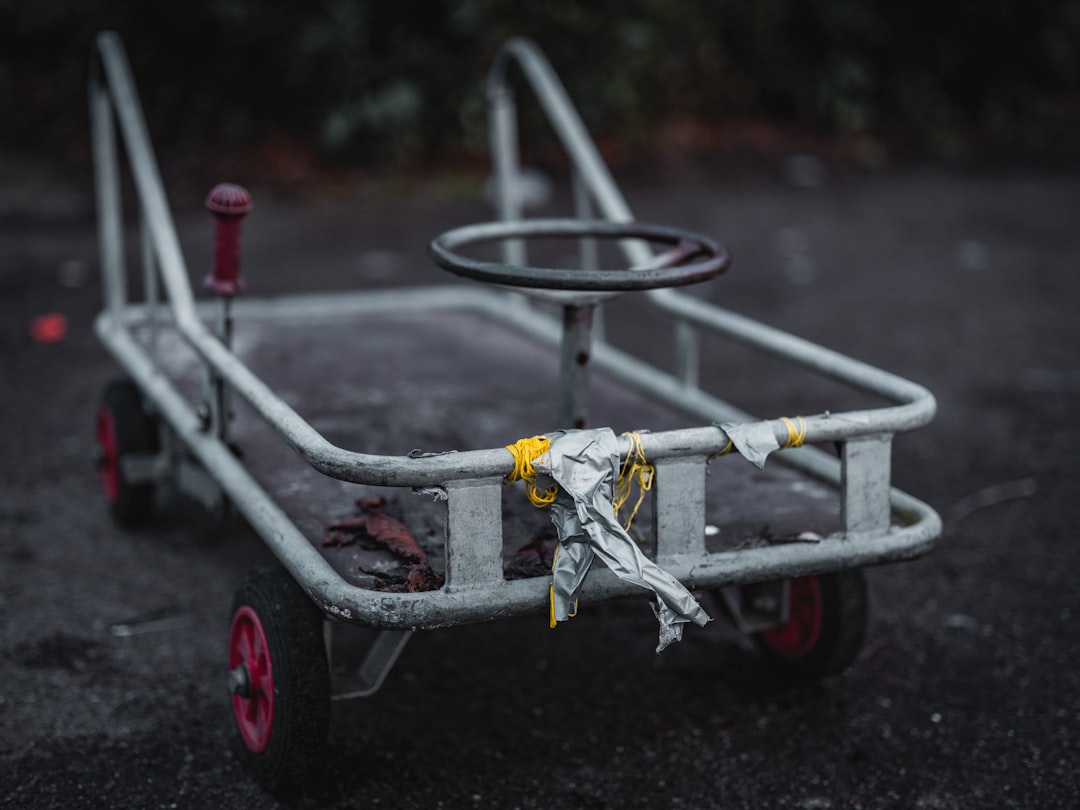
Searching for a go kart frame for sale is the smart starting point for anyone who wants to build rather than buy off the shelf. The frame is the backbone of the whole machine — it dictates handling, seat position, engine mounting, and how safely the kart holds together at speed. Buy the wrong one and every part you bolt on afterward inherits its flaws. This guide explains what you are actually paying for when you shop a go kart frame for sale, the main frame types and how they differ, realistic pricing, and how to choose a frame that matches your engine, your rider, and the surface you will drive on.
What Is a Go-Kart Frame for Sale?
A go kart frame for sale is the bare rolling chassis — the welded tubular structure that everything else attaches to — sold on its own or as part of a kit. At minimum it includes the main frame tubes; fuller listings add the steering spindles, kingpins, brackets, and mounting tabs for the seat, engine, and axle. What you almost never get for the frame price alone is the engine, wheels, seat, or drivetrain, so read each listing carefully.
Frames are typically mild-steel tubing (commonly 1″ to 1.25″ diameter) TIG- or MIG-welded into a rigid platform. The quality that matters is weld integrity, tube wall thickness, and correct geometry — caster, camber, and wheelbase — because those determine whether the finished kart tracks straight and corners predictably. If you plan to build from scratch instead, our how to build a go-kart guide covers the full process, and our best go-kart kits and frames roundup compares specific options.
Types of Go-Kart Frames
Frames divide by intended use, and the differences are not cosmetic — they change geometry, materials, and price.
Kids’ and fun-kart frames are short-wheelbase, lightweight, and built for low-power engines. Racing (sprint) frames use precise geometry and stiffer tubing for flat-track speed and are often sold for specific engine classes. Off-road and trail frames add ground clearance, wider stance, and mounting points for larger tires and sometimes suspension. Two-seater and utility frames stretch the wheelbase to carry a passenger or cargo. Choosing the wrong category — say, a low-slung race frame for trail use — leaves you with a kart that fights you on every surface it was not designed for.
Go-Kart Frame Types Compared
| Frame Type | Wheelbase | Best Surface | Typical Engine | Typical Price |
|---|---|---|---|---|
| Kids’/fun kart | Short | Driveway, grass | 3–6.5 hp | $120–$300 |
| Racing (sprint) | Medium, precise | Paved track | Class-specific | $400–$1,500+ |
| Off-road/trail | Wide, tall | Dirt, gravel | 6.5–13 hp | $300–$800 |
| Two-seater/utility | Long | Yard, trail | 6.5–13 hp | $350–$900 |
Cost and Key Considerations
A bare go kart frame for sale usually runs $120–$300 for a basic fun-kart chassis, $300–$800 for an off-road or two-seater frame, and $400–$1,500+ for a purpose-built racing frame. Kit listings that bundle steering, spindles, and brackets cost more but save you sourcing mismatched parts.
Beyond the sticker price, factor in what the frame does not include. You will still need an engine, clutch or torque converter, axle, wheels, tires, seat, and brakes — often $300–$1,000 more. Inspect the welds closely: clean, consistent beads without gaps or burn-through are the single best sign of a frame worth buying. Confirm the tube diameter and engine mount pattern match your intended engine before you commit. For a full breakdown of what a complete build costs, see how much a go-kart costs.
How to Choose a Go-Kart Frame for Sale
Start with the rider and the surface. A frame sized for a child will cramp an adult, and a race frame will bottom out on grass. Measure your rider and match the seat position and wheelbase to their size and your terrain.
Next, match the frame to your engine and drivetrain plan. Verify the engine mount, the axle bearing spacing, and whether the brake mounts suit a disc or band brake. Check the geometry claims — a reputable seller states caster and wheelbase — and prefer used frames only if the tubing is straight and rust-free with no cracked welds. Buying local saves heavy shipping, but a new frame with documented specs is often the safer bet for a first build. Cross-reference specific chassis in our best go-kart kits and frames guide.
Think about upgrade paths before you buy. A frame with standard mounting patterns and common tube sizes makes it easy to bolt on aftermarket seats, steering wheels, and brake kits later, whereas an oddball frame locks you into whatever the seller offers. If you might add power down the road, choose a frame rated for more engine than you plan to run today — it is far cheaper than rebuilding around a chassis that flexes or cracks under an engine it was never designed for. Finally, weigh a complete kit against a bare frame: a well-matched kit costs more up front but spares you the frustration of chasing compatible spindles, tie rods, and hardware from a dozen different suppliers.
Pros and Cons
Buying a frame and building around it has real advantages, but it is not the easiest path.
Pros
- Full control over engine, seat, and component choices
- Cheaper than a comparable complete kart if you already have parts
- Easier to repair and upgrade a frame you assembled yourself
- Learn how the kart works from the ground up
- Widely available new and used
Cons
- Requires mechanical skill and tools to finish the build
- Total cost adds up once you buy every other part
- Used frames can hide cracked welds or bent tubing
- Mismatched geometry or mounts cause handling problems
Frequently Asked Questions
How much does a go-kart frame cost?
Does a go-kart frame for sale include the engine?
What size go-kart frame do I need?
Is it cheaper to build a go-kart from a frame or buy a complete one?
What should I inspect on a used go-kart frame?
Can I put any engine on any frame?
Final Thoughts
A go kart frame for sale is the foundation of a rewarding build, but only if you buy the right one for your rider, engine, and surface. Prioritize weld quality, correct geometry, and mount compatibility over the lowest price, and budget honestly for the parts the frame does not include. When you are ready, walk through the complete process in our how to build a go-kart guide and compare chassis options in our best go-kart kits and frames roundup.