
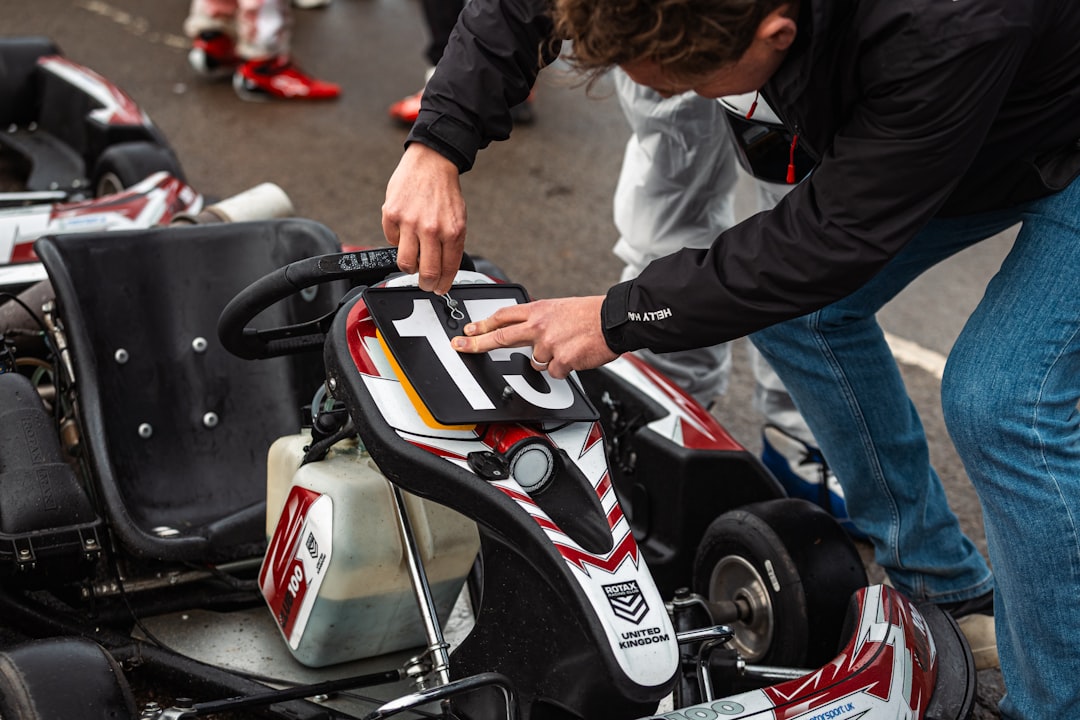
The go kart frame is the single most important part of any build. It carries the engine, seat, driver, and every load created by cornering and braking, so its geometry and construction decide how a kart handles, how safe it is, and how long it lasts. Whether you are welding a chassis from scratch, bolting together a kit, or buying a rolling frame to drop an engine into, understanding go kart frame design saves you money and prevents dangerous mistakes. This guide covers frame types, materials, sizing, and the safety features every frame needs before it ever turns a wheel on the track or trail.
What Is a Go-Kart Frame?
A go kart frame, also called the chassis, is the welded or bolted steel structure that everything else attaches to: the axle, steering, engine mount, seat, brakes, and body panels. Unlike a car, most karts have no suspension, so the frame itself flexes in a controlled way to keep the tires planted through corners. That means tubing diameter, wall thickness, and how the bars are triangulated are not cosmetic choices, they directly control grip and stability.
A frame is more than a rectangle of pipe. Good chassis have a defined front section for steering and pedals, a central cradle for the seat and driver weight, and a rear section that locates the axle bearings and engine. Get the balance wrong and the kart will push, spin, or hop unpredictably.
Types of Go-Kart Frames
Frames fall into a few broad families based on how and where the kart will be used. Choosing the right type first prevents you from building something that fights its intended purpose.
- Open/sprint race chassis: Low, light, flat tubular frames built for smooth tracks. Maximum agility, minimal ground clearance, no roll cage.
- Off-road frame: Taller and heavier, with more ground clearance, a full roll cage, and mounting points for larger tires and often suspension.
- Recreational/fun kart frame: A middle ground for backyard and light trail use, usually with a roll bar or partial cage and forgiving geometry.
- Two-seater frame: Wider and longer to carry a passenger, requiring stronger tubing and a bigger engine.
- DIY/kit frame: Bolt-together or weld-it-yourself frames sold as plans or steel packages for home builders.
Frame Types Compared
Use this table to match a frame family to your riding surface, budget, and skill level before committing to a design.
| Frame Type | Best Surface | Roll Cage | Ground Clearance | Typical Cost |
|---|---|---|---|---|
| Sprint/race | Smooth track, pavement | No | Low (1-2 in) | $800-$3,000+ |
| Off-road | Dirt, grass, trails | Yes | High (6-10 in) | $500-$2,500 |
| Recreational | Backyard, light trail | Roll bar | Medium (3-5 in) | $300-$1,200 |
| Two-seater | Trails, yard | Yes | Medium-high | $600-$2,000 |
| DIY kit/plans | Varies by design | Optional | Varies | $150-$900 |
Go Kart Frame Materials and Tubing
Most go kart frames use mild steel tubing (often 1018 DOM or ERW) between 1 inch and 1.25 inches in diameter with a wall thickness of 0.065 to 0.120 inches. Round tube resists twisting and is the industry standard. Some budget frames use square tubing because it is easier to weld at home, but it is heavier for the same strength. Chromoly is stronger and lighter but costs far more and needs careful welding, so it is overkill for most recreational builds.
Wall thickness matters most where the driver sits and where the engine and axle mount. Never thin out tubing to save weight in a load-bearing area. If you are unsure, follow a proven set of plans rather than guessing dimensions.
How to Choose or Size a Frame
Match the frame to three things: the rider, the engine, and the terrain. A kart for a 200-pound adult on trails needs a longer wheelbase, wider track, and heavier tubing than a child’s yard kart.
- Wheelbase: Longer (40-50 in) is more stable at speed; shorter is nimbler but twitchier.
- Track width: A wider rear track resists tipping in corners, which is why off-road frames are wide.
- Engine bay: Confirm the frame’s engine mount fits your motor’s bolt pattern before buying. Match this to the go-kart engine you plan to run.
- Rider fit: The seat and pedals must let the driver reach the brake fully without stretching.
If you are pricing a full project, our guide to go-kart cost breaks down where the frame fits in the total budget, and the best go-kart kits and frames roundup lists proven starting points.
Building and Safety Basics
A frame is only safe when it carries the right safety hardware. Before your first drive, confirm the chassis has solid mounts for a real braking system, a kill switch within thumb reach, and a chain guard covering the exposed drive chain and sprocket. Add a roll bar or cage for any kart that will see speed or rough ground.
If you are welding your own chassis, tack everything first, check that the frame sits flat on a level surface with no twist, and only then finish your welds. A warped frame will pull to one side and wear tires unevenly. For the full sequence from bare tubing to a running kart, see how to build a go-kart. Always test brakes at low speed in an open area before opening the throttle.
Pros and Cons
Buying a rolling frame or building your own each has clear trade-offs. Weigh them against your skills, tools, and time.
Pros
- Strong steel chassis lasts for years
- Bolt-on mounts make engine swaps easy
- Kit and DIY options fit any budget
- Correct geometry gives predictable handling
Cons
- Welding your own requires skill and tools
- A poorly sized frame handles badly and is hard to fix
- Heavier off-road frames reduce top speed
Frequently Asked Questions
What size tubing is best for a go kart frame?
Can I build a go kart frame without welding?
How much does a go kart frame cost?
Should a go kart frame have a roll cage?
What is the difference between a chassis and a frame?
How do I know if a used frame is safe?
Final Thoughts
Your go kart frame sets the ceiling for how well the finished kart drives, so choose or build it to match the rider, engine, and terrain rather than settling for whatever is cheapest. Get the geometry and tubing right, add proper brakes, a kill switch, and a chain guard, and the rest of the build becomes far easier. When you are ready to shop, start with our best go-kart kits and frames roundup, and if you are new to the hobby the complete beginner’s guide will fill in the fundamentals.