
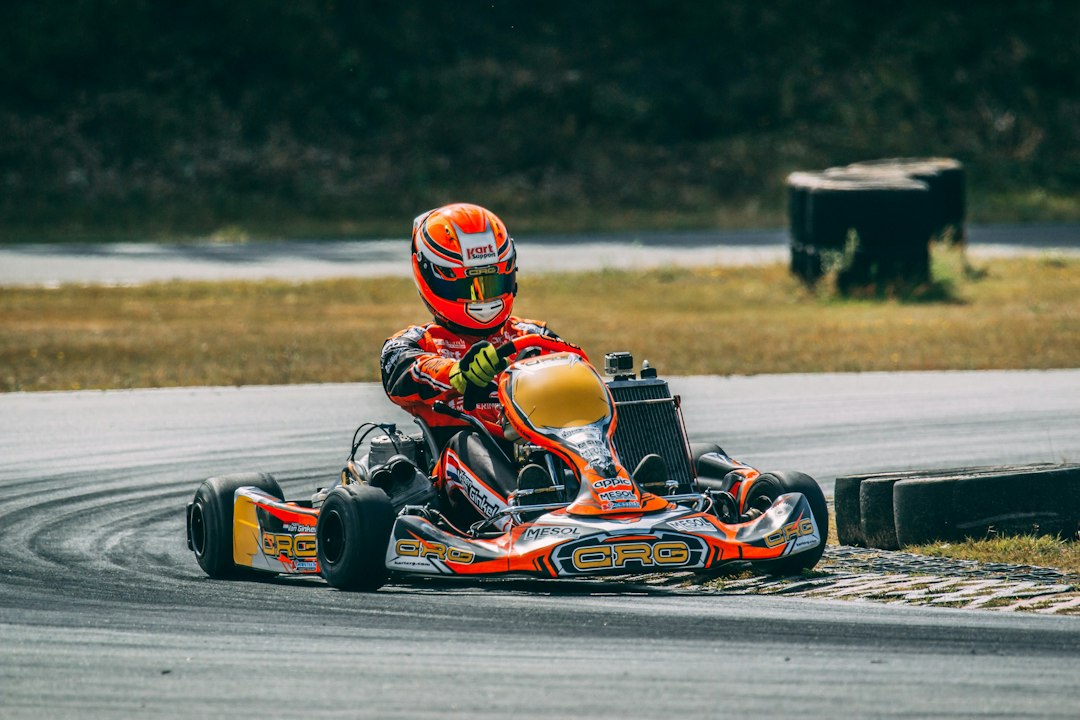
A go kart seat insert is padding or a molded liner that sits inside a kart seat to make it fit the driver more snugly. In a kart, the seat is the main point of contact between driver and chassis, so a loose fit means sliding, bruised ribs, and vague feedback through the corners. Inserts are popular with growing kids, drivers between seat sizes, and anyone sharing a kart. This guide explains the main types of seat insert, how they differ from a cushion or a padded seat, how to fit one securely, typical USD costs, and when a different seat size is the better answer.
Part of our Go-Kart Parts guide — explore the full guide →
What Is a Go Kart Seat Insert?
Racing kart seats are rigid shells, usually fiberglass or plastic, sized in small increments. A driver who sits loose in the shell moves under braking and cornering, which is tiring and makes it harder to feel what the kart is doing. A seat insert fills the gap between the driver and the shell.
Inserts range from simple foam pads stuck to the sides of the seat to full molded liners that cover the back, sides, and base. They are distinct from a seat cushion, which mainly adds comfort on the seat base of recreational karts, and from a factory padded seat, which has upholstery built in. Our go-kart seat cushion guide covers comfort cushions, and our padded go-kart seat guide covers seats with built-in padding. This article focuses on fit-correcting inserts, mainly for racing and sport karts.
Why Seat Fit Matters in a Kart
In a racing kart, the seat is also part of the chassis setup. The driver’s weight and the way it is held in place influence how the frame flexes and how weight transfers. A driver who shifts in the seat changes the kart’s balance mid-corner.
A loose fit also causes injuries. Rib bruising and, in severe cases, rib damage are common complaints in karting, often from the body moving against the seat edges. A snug fit spreads loads across a wider area. For extra protection, many drivers combine a good fit with a kart racing rib protector.
Best Go Kart Seats: our top 3 picks
| Product | Best for | Key features | Price | Buy |
|---|---|---|---|---|
| Unlimited Products carbon seat | Best overall racing seat |
| $185.00as of Nov 17, 2026 1:59 pm EST | Buy now →Check current price |
| YC Yier RA484 bucket seat | Best budget replacement |
| $75.99as of Nov 17, 2026 1:59 pm EST | Buy now →Check current price |
| GoPowerSports single seat | Best classic fun-kart seat |
| — | Buy now →Check current price |


Prices are Amazon’s listed prices as of the date and time shown and are subject to change; the price on Amazon at the time of purchase applies. As an Amazon Associate we earn from qualifying purchases.
Types of Go Kart Seat Insert
Adhesive foam side pads. Closed-cell foam strips or panels with an adhesive backing, stuck to the inside of the seat sides. They are cheap, easy to cut to shape, and the most common fix for a driver slightly too narrow for the seat.
Back and base pads. Flat or contoured foam pads that move the driver forward or upward. These are used when a driver is too short to reach the pedals comfortably or sits too low to see clearly.
Full molded liners. Preformed liners that cover the whole interior of the seat, often sold to reduce a seat by roughly one size. They are popular with parents of cadet drivers who will grow into the bare seat later.
Pour-in foam inserts. A two-part expanding foam is poured into a bag placed in the seat while the driver sits in position. It sets into a custom mold of the driver’s body. This method is common in many forms of motorsport and gives the closest fit, but it takes care to do well.
Gel and memory foam pads. Mostly used on recreational karts for comfort. They soften the ride but are less suited to racing, because soft materials let the body move.
Seat Insert Types Compared
| Insert Type | Fit Precision | Ease of Fitting | Best For | Typical Cost (USD) |
|---|---|---|---|---|
| Adhesive side pads | Moderate | Very easy | Small gaps at hips or ribs | $15 to $50 |
| Back and base pads | Moderate | Easy | Short drivers, pedal reach | $20 to $60 |
| Full molded liner | Good | Easy | Growing kids, reducing a size | $40 to $120 |
| Pour-in foam | Excellent | Difficult | Serious racers, custom fit | $60 to $200 in materials |
| Gel or memory foam | Low | Very easy | Recreational comfort | $20 to $80 |
Costs are typical ranges and vary with brand and size. A professionally fitted custom insert will cost more than the materials alone.
How to Choose a Go Kart Seat Insert
Identify where you move. Sit in the kart in your driving gear and have someone push your shoulders and hips side to side. Note where the gaps are. Side gaps call for side pads; sliding forward suggests a base or back issue.
Choose firm, closed-cell foam for racing. Firm foam holds you in place and does not soak up water. Soft open-cell foam compresses, absorbs rain, and loses shape.
Consider the seat size first. If you need more than a modest amount of padding, a smaller seat is usually better. Large inserts add weight high up in the kart and can shift under load. Our karting seat guide explains seat sizing and mounting.
Check the class rules. Seat inserts are generally permitted, but weight, ballast, and seat mounting rules apply. If you race, check the current rulebook from your sanctioning body, such as WKA, SKUSA, or your national ASN.
Plan for growth. For young drivers, a removable liner lets you keep the same seat for longer and simply take the insert out as they grow.
How to Fit a Seat Insert
Clean the inside of the seat with a degreaser or rubbing alcohol before applying adhesive pads. Trim foam to shape with a sharp knife, test-fit it with the driver seated, and only then peel the backing and stick it down. Rounded edges are more comfortable than square cuts.
For pour-in foam, follow the kit instructions exactly. The driver should sit in their normal driving position, wearing their suit and any rib protector, with hands on the steering wheel and feet on the pedals. Work quickly, because the foam begins to set within minutes.
After fitting any insert, drive a few laps and recheck. Pressure points or numbness mean the insert needs trimming. Make sure the insert does not interfere with seat stays, seat belts on recreational karts, or the steering wheel.
Seat Inserts on Recreational and Rental-Style Karts
Inserts are not only for racers. Many backyard and off-road karts come with a single seat that is too large for a child or too upright for a short adult. A base pad can raise a smaller driver so they see over the steering wheel, while a back pad can bring them close enough to reach the pedals without stretching.
On recreational karts, secure every insert so it cannot slide forward under the driver during braking. Loose padding near the pedals is a hazard. If the kart has seat belts, make sure the insert does not change the belt geometry so much that the lap belt rides up onto the stomach. Where the gap is large, adjustable pedals or a pedal extender may be a cleaner fix than a thick insert.
Maintenance and Replacement
Check adhesive pads before each event; heat and rain can loosen them. Replace foam that has compressed permanently, cracked, or torn, because worn foam no longer holds the driver. Let wet inserts dry fully between sessions to prevent mold and keep weight consistent.
When a child grows, reassess the fit every few months. An insert that was perfect last season may now push a driver too far forward or too high.
Pros and Cons
Seat inserts are an inexpensive way to improve fit, but they are not always the best solution.
Pros
- Cheap and quick way to improve seat fit
- Helps reduce rib bruising and fatigue
- Lets growing kids use one seat for longer
- Custom pour-in foam gives a precise fit
Cons
- Large inserts add weight high in the kart
- Soft foam can let the driver move
- Adhesive pads can loosen with heat and rain
- Not a substitute for the correct seat size
Frequently Asked Questions
Do I need a seat insert for karting?
Is a seat insert better than buying a smaller seat?
Can a seat insert help with rib pain?
Are seat inserts legal in kart racing?
What foam is best for a kart seat insert?
How long does a seat insert last?
Final Thoughts
A go kart seat insert is one of the cheapest ways to improve comfort, control, and consistency in a kart. Identify where you move, use firm foam, and step down a seat size if the gap is large. For more on seat shapes, sizes, and mounting, read our full go-kart seat guide.