
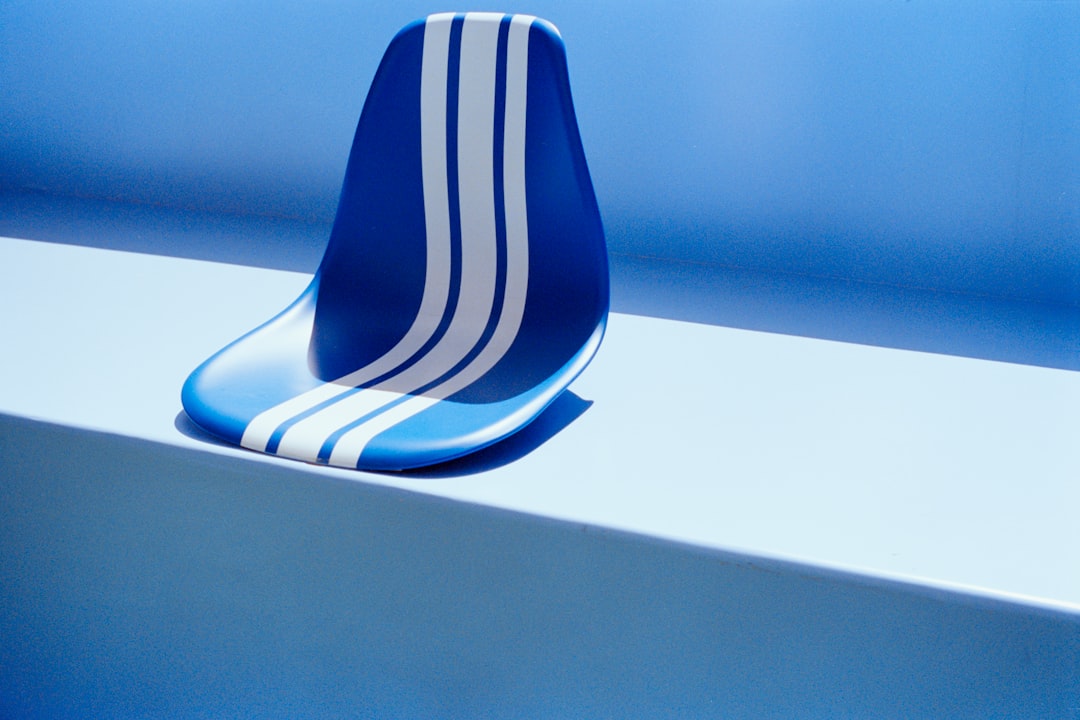
A go kart seat cushion is thin, firm padding added to a kart seat to improve fit, reduce pressure points, and ease rib and hip soreness. Because kart seats are rigid shells bolted to the frame, padding is how you fine-tune comfort without changing the seat. The best results come from closed-cell foam in thin layers, placed only where you need it: the base, the hips, and the rib line. Thick, soft cushions usually backfire, dulling your feel for the kart and letting you move around. This guide covers the main padding types, how to fit a cushion step by step, typical costs, and when a different seat or a rib protector is the better fix.
Part of our Go-Kart Parts guide — explore the full guide →
Why Kart Seats Need Cushions
Racing kart seats are molded fiberglass, composite, or plastic shells mounted directly to the chassis with brackets and seat stays. They are not upholstered because the seat is part of how the kart works. It carries the driver’s weight into the frame, and its position and stiffness affect handling. Recreational and yard karts often use molded plastic or bench-style seats, which can be just as hard.
That rigidity means no built-in comfort. Vibration, curb strikes, and cornering loads go straight into your hips, lower back, and ribs. Padding addresses three separate problems:
- Fit. Seats come in fixed sizes, and many drivers fall between sizes. Foam fills the gap so you stay planted instead of sliding sideways.
- Comfort. A thin base pad takes the edge off vibration and hot spots during long sessions.
- Rib and hip pressure. In corners, the side of your torso presses into the seat edge. Rib soreness and bruising are a common complaint among regular adult karters, and targeted padding can help.
The governing rule is thin and firm. Soft padding lets your body shift before it loads the seat, which delays the feedback you get from the chassis and can actually increase rib pain because you move more. Treat padding as precision shimming, not upholstery. For a broader look at shells, sizes, and materials, start with our go-kart seat guide.
Types of Go-Kart Seat Cushions and Padding
Closed-cell foam pads. The most widely used option. EVA and similar closed-cell foams do not soak up sweat or rain, resist compression, and bond well with adhesive. They are sold as pre-cut base, side, and back pads, or as sheets you cut to shape. Most kart padding falls somewhere in the range of a few millimeters to around 15mm thick.
Gel and memory-foam pads. Good at spreading load on the seat base, which is why they are popular on recreational and rental-style karts. They are heavier, and memory foam can pack down under sustained load, so keep them to the base rather than the sides.
Seat-fitting kits. Pre-cut, self-adhesive padding sets designed for kart seats, usually covering hips, ribs, and lower back. These are a tidy way to fill out a seat that is slightly too large.
Seat inserts. Molded or shaped inserts that sit inside the shell to reduce its effective size, often used for younger or smaller drivers sharing a kart. Our guide to the go-kart seat insert covers how they differ from loose pads.
Padded seats and covers. Some recreational karts can take a factory-padded seat or a fitted cover with padding built in. These suit casual use more than racing. See our padded go-kart seat guide for the trade-offs.
DIY padding. Yoga mats, camping-mat foam, and similar materials are common on yard karts. They work if the material is closed-cell and you bond it with contact adhesive rather than tape.
Rib protectors. Not a cushion at all, but a vest with semi-rigid panels worn under your suit. For anyone driving regularly, this is often the most effective answer to rib pain. Our guide to the kart racing rib protector explains the main styles and how they should fit.
Best Go Kart Seats: our top 3 picks
| Product | Best for | Key features | Price | Buy |
|---|---|---|---|---|
| Unlimited Products carbon seat | Best overall racing seat |
| $185.00as of Oct 25, 2026 4:57 am EDT | Buy now →Check current price |
| YC Yier RA484 bucket seat | Best budget replacement |
| $75.99as of Oct 25, 2026 4:57 am EDT | Buy now →Check current price |
| GoPowerSports single seat | Best classic fun-kart seat |
| $89.95as of Oct 25, 2026 4:57 am EDT | Buy now →Check current price |


Prices are Amazon’s listed prices as of the date and time shown and are subject to change; the price on Amazon at the time of purchase applies. As an Amazon Associate we earn from qualifying purchases.
Seat Cushion Options Compared
| Option | Best location | Typical thickness | Durability | Typical cost (USD) |
|---|---|---|---|---|
| Closed-cell foam pad | Sides, back, base | Thin to medium | High | About $10–$40 |
| Gel or memory-foam pad | Seat base only | Medium | Medium | About $15–$50 |
| Seat-fitting kit | Hips, ribs, lower back | Thin to medium | High | About $25–$75 |
| DIY foam sheet | Anywhere | Varies | Low to medium | About $5–$20 |
| Rib protector (worn) | On the driver | Not applicable | High | About $60–$250+ |
Prices are typical market ranges and vary by brand, size, and region.
Cost and Considerations
Padding is one of the cheapest upgrades in karting. A DIY job usually needs only a sheet of closed-cell foam and a can of contact adhesive. Pre-cut fitting kits cost a bit more, and a rib protector is the biggest outlay of the group, though still modest next to tires, fuel, or entry fees.
Before you start cutting foam, weigh these points:
- Material. Open-cell foam soaks up sweat and rain and breaks down quickly. Closed-cell foam is worth the small premium on any kart that lives outdoors or gets driven hard.
- Adhesive. Contact cement or quality adhesive-backed pads survive heat and vibration. Duct tape tends to peel off within a few sessions.
- Seat size. If you need a lot of foam at the hips to stop sliding, the seat is probably too big. A correctly sized seat will improve comfort and control more than any cushion.
- Weight and rules. Padding adds a small amount of weight. In racing classes with minimum weights this rarely matters, but check your club’s rules if you plan any unusual modifications to the seat itself.
- Shared karts. If several drivers share one kart, removable pads or a seat insert are easier to manage than permanently bonded foam. Our guide to the go-kart adjustable seat covers other ways to fit multiple drivers.
Seats, mounting hardware, and other spares are covered in our hub on go-kart parts.
How to Fit a Go Kart Seat Cushion
Fit padding with the driver seated in the gear they will actually drive in. A suit, jacket, or rib protector changes your effective size, so padding fitted in jeans will be wrong on track.
1. Check seat position first. Make sure the seat is mounted at the right height and distance for the driver’s reach to the wheel and pedals. Padding cannot fix a seat that is in the wrong place.
2. Fix the base. Add a thin, firm pad to the seat bottom to reduce vibration and hot spots. On a racing kart, keep it thin so you do not raise your center of gravity or lose feel.
3. Fill the hip gaps. Add side pads in thin layers until the hips locate firmly with no sideways movement. You should feel held, not squeezed.
4. Address the rib line. Find where the seat edge contacts your ribs under cornering load. A firm, thin pad along that line can help. If soreness continues, a rib protector is the better fix.
5. Support the lower back if needed. A thin pad at the lumbar area can help drivers who slump or slide forward, but keep it minimal so it does not push you away from the seat back.
6. Test and trim. Drive a session, note any pressure points or movement, and adjust. Foam is cheap, so cut generously and trim back.
Installation tips
- Clean the shell with isopropyl alcohol before bonding anything.
- Apply contact cement to both surfaces, let it tack up per the label, then press firmly.
- Round the corners of each pad so the edges do not catch and peel.
- Bevel the pad edges where they meet the shell so there is no hard step under your body.
Safety: When Padding Is Not the Answer
A cushion is a comfort and fit tool. It is not protective equipment, and it has limits:
- Persistent rib pain. If ribs hurt after every session, wear a rib protector and get any sharp or lasting pain checked by a doctor. Repeated loading on an injured rib can make things worse.
- Seat that is too large. Excessive padding hides a fit problem. Replace the seat instead.
- Seat damage. Cracks near the mounting holes or stays need repair or replacement. Padding over a cracked seat hides a structural issue.
- Soft, slippery covers. Some fabric covers reduce grip between the driver and the seat. On a racing kart, you want to stay planted.
For the full set of protective gear, from helmet to rib vest, see our kart racing gear guide.
Maintenance
Padding lasts longer with simple care. Wipe pads down after sessions to remove sweat and grime. Let the kart dry before covering it so moisture does not get trapped. Check edges regularly and re-glue any lifting corners before they tear. Replace pads that have compressed noticeably, since flattened foam no longer holds you in place. For recreational karts stored outdoors, a fitted, breathable seat cover can protect both seat and padding from sun and rain.
Pros and Cons of Padding Your Seat
Done right, padding is mostly upside. The drawbacks come from overdoing it.
Pros
- Inexpensive fix for seats that are slightly too large
- Reduces pressure points and rib and hip soreness
- Closed-cell foam helps the driver stay planted in corners
- Easy to adjust or remove between drivers
Cons
- Thick soft padding dulls chassis feel and feedback
- Cannot fix a seat that is genuinely the wrong size
- Open-cell foam absorbs sweat and breaks down quickly
- Does not protect ribs as well as a proper rib protector
Frequently Asked Questions
What is the best foam for a go-kart seat cushion?
How thick should kart seat padding be?
Can I use a yoga mat as go-kart seat padding?
Do kart racers use seat cushions?
Why do my ribs hurt after karting?
How do I keep seat pads from peeling off?
Final Thoughts
A go kart seat cushion is one of the cheapest comfort upgrades in karting, as long as you follow the thin-and-firm rule and treat padding as a fit tool rather than a sofa. Get the seat position right, sort the base, lock in the hips, and address the rib line, then add a rib protector once you drive regularly. If the seat itself is the problem, our roundup of the best go-kart seats is the place to start.