
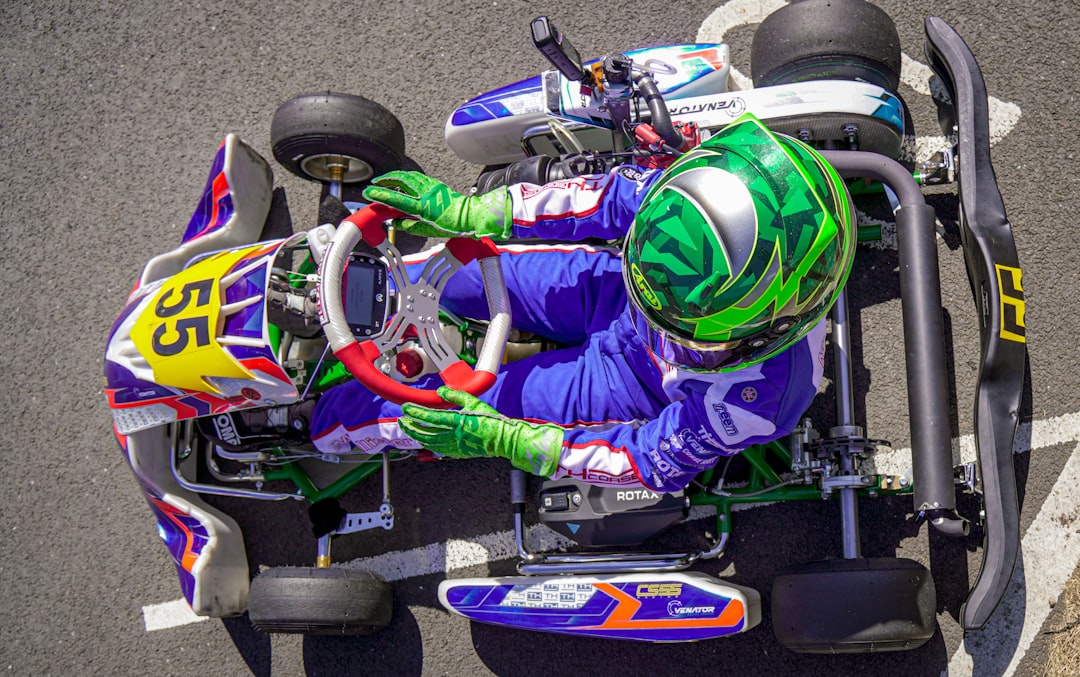
Go kart wheels are the rims that mount your tires and bolt to the axle, and they shape how a kart accelerates, corners, and survives abuse. The right go kart wheels balance strength, weight, and fit: too heavy and the kart feels sluggish, too weak and they crack under hard cornering. Wheels come in aluminum, magnesium, steel, and plastic, in sizes typically from 5 to 8 inches, with different bolt patterns and hub types. Whether you are replacing a bent rim, upgrading for racing, or building a kart from scratch, understanding wheel materials, sizing, and mounting will save you money and headaches. This guide covers the types, costs, and how to choose the right go-kart wheels for your build.
What Are Go Kart Wheels?
A go-kart wheel is the rigid rim that holds the tire and transfers power from the axle to the ground. It is not the same as the tire, which is the rubber contact surface. The wheel bolts to a hub, which clamps onto the axle, and its width and diameter must match the tire’s bead so the tire seats properly.
Wheels come in two-piece and one-piece designs. Two-piece wheels split for easier tire mounting and are common in racing; one-piece wheels are simpler and cheaper. The hub bolt pattern (often 3-bolt) and the wheel’s center bore must match your kart’s hubs, so fitment is as important as material.
Wheel choice interacts closely with tire choice, so read this alongside our go-kart tires guide. For a full build overview, see our beginner’s guide.
Types of Go-Kart Wheels
Go-kart wheels are grouped mainly by material, each with a different balance of strength, weight, and cost.
Aluminum is the most popular all-rounder: light, strong, and affordable. Magnesium is the lightest and stiffest, favored in serious racing, but pricey and more brittle. Steel is heavy but tough and cheap, common on off-road and utility karts. Plastic wheels appear on kids’ karts and drift karts where low cost and light weight matter more than strength.
Racing karts often run magnesium or premium aluminum, while off-road karts and rougher builds lean on steel. For fast, high-performance builds, our adult electric kart picks show where lighter wheels pay off.
Go-Kart Wheel Types Compared
| Material | Weight | Strength | Best For | Typical Price (each) |
|---|---|---|---|---|
| Aluminum | Light | High | Racing and recreation | $20-$60 |
| Magnesium | Lightest | Very high but brittle | Competition racing | $60-$150 |
| Steel | Heavy | Very high | Off-road, utility karts | $15-$40 |
| Plastic | Very light | Low | Kids and drift karts | $10-$25 |
Key Considerations When Buying Go-Kart Wheels
Fitment comes first. Confirm the bolt pattern (commonly 3-bolt on 133mm or 58mm centers), the center bore, and the wheel width so the tire seats correctly. A mismatch means the wheel simply will not mount.
Size matters next. Front wheels are often narrower than rears, and diameters usually run 5-8 inches. Wider rear wheels add grip and stability but also weight. Match the wheel width to your tire’s recommended range for a proper bead seal.
Finally, weigh cost against use. A recreational kart does not need magnesium, while a race kart benefits from every ounce saved. See how these parts fit into overall spending in our go-kart cost guide.
How to Choose Go-Kart Wheels
Start with your kart’s hubs and axle. Read the bolt pattern and center bore, then buy wheels that match exactly. When in doubt, check the manufacturer’s spec or measure an existing wheel.
Next, match material to purpose. Choose aluminum for a versatile all-rounder, steel for off-road toughness on a budget, magnesium only if you are racing and want minimum weight, and plastic for kids’ or drift karts. Then confirm the wheel width fits your intended tire, since tire and wheel width must agree.
Consider two-piece wheels if you change tires often, as they make mounting far easier. Speed-focused builders should also read how fast go-karts go to understand how weight affects performance.
Pros and Cons
Pros
- Aluminum offers a strong, light, affordable all-round choice
- Magnesium saves weight for competitive racing
- Steel is tough and cheap for off-road builds
- Two-piece designs make tire changes easy
- Wide range of sizes and bolt patterns available
Cons
- Magnesium is expensive and can be brittle in a crash
- Steel wheels add unwanted weight
- Bolt-pattern and bore mismatches prevent fitment
- Plastic wheels flex and crack under hard use
Frequently Asked Questions
What size wheels do go-karts use?
Are aluminum or magnesium go-kart wheels better?
How do I know if wheels will fit my kart?
Whats the difference between wheels and tires?
Can I use one-piece and two-piece wheels interchangeably?
How much do go-kart wheels cost?
Final Thoughts
Go kart wheels are more than a cosmetic choice: they affect acceleration, handling, and durability. For most builders, aluminum wheels in the correct bolt pattern and width are the smart default, balancing strength, weight, and price. Reserve magnesium for competition, steel for rugged off-road use, and plastic for kids’ or drift karts. Always confirm fitment against your hubs and pair the wheels with matching tires. Ready to complete the setup? Read our go-kart tires guide next, and if you are shopping complete karts, browse the best electric go-karts for adults.