
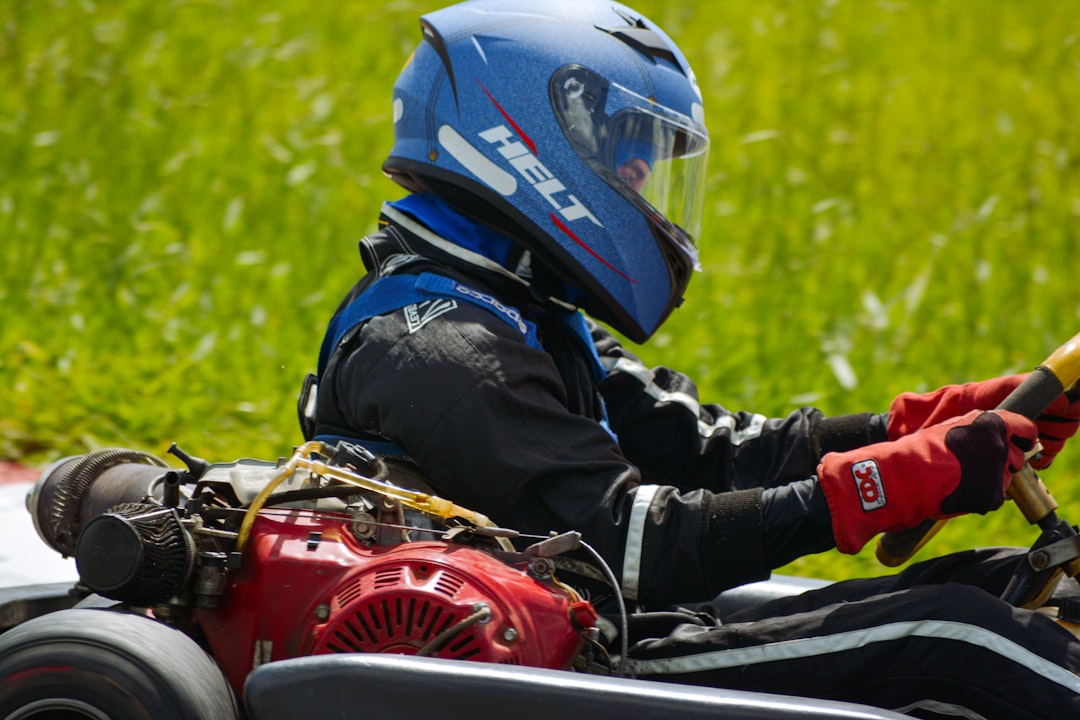
Choosing a Kids Go-Kart Electric Model
A kids go kart electric model is one of the safest and easiest ways to introduce a child to driving. Electric karts are quiet, produce no fumes, need almost no maintenance, and — crucially — offer adjustable speed limits and remote parental controls that gas karts simply cannot match. For families, that combination of safety, simplicity, and low running cost makes electric the default choice for children today. This guide explains how electric kids’ karts work, the main types by age, what to compare when shopping, and the safety essentials every parent should know before letting a child take the wheel.
What Is an Electric Kids’ Go-Kart
An electric kids’ go-kart uses a battery-powered motor instead of a gas engine. A rechargeable battery — usually 6V, 12V, or 24V — feeds a controller that regulates power to the drive motor. Push a pedal or throttle and the kart moves; instant, smooth torque makes it easy for a child to control at low speeds.
The defining advantages for kids are safety and simplicity. There is no pull-start, no hot exhaust, no fuel to spill, and no engine to tune. Most models include a parent-adjustable speed limiter and, on higher-end karts, a remote control that lets an adult slow or stop the kart instantly. Charging is as simple as plugging in overnight, and running costs are pennies compared with gasoline.
How the power gets to the wheels matters too. Some karts drive a single rear wheel, which is simplest and cheapest; others drive both rear wheels for better traction on grass and inclines. Seatbelts, roll bars, and low centers of gravity are increasingly common on quality models and are worth looking for. Because electric motors deliver torque instantly from a standstill, even a “slow” kart can feel eager off the line — another reason the adjustable speed limiter is such an important feature for young or new drivers.
Types of Electric Kids’ Karts by Age
Battery voltage roughly tracks with age and speed, which makes it a useful shorthand when shopping.
6V karts (ages 1.5-3): very slow, around 2-3 mph, for toddlers on flat indoor or smooth outdoor surfaces.
12V karts (ages 3-7): 4-6 mph, the most popular family category, usually with a parent speed limit and sometimes remote control.
24V karts (ages 6-12): 8-12 mph, more powerful for larger yards and older kids who have mastered basic control.
36V+ drift karts (ages 8+): faster, with a rear caster setup designed for controlled sliding — fun but requiring more supervision and space.
Match voltage to your child’s age, size, and experience. For a full breakdown, see our guide to the best go-karts for kids by age.
Electric Kids’ Karts Compared
| Battery | Age Range | Top Speed | Best For |
|---|---|---|---|
| 6V | 1.5-3 yrs | 2-3 mph | Toddlers, indoor use |
| 12V | 3-7 yrs | 4-6 mph | Most families, yards |
| 24V | 6-12 yrs | 8-12 mph | Older kids, larger space |
| 36V+ drift | 8+ yrs | 10-15 mph | Confident kids, drifting fun |
What Electric Kids’ Karts Cost
Electric kids’ karts span a wide price range, and voltage is the biggest driver of cost. Knowing the typical bands helps you set realistic expectations before shopping.
Entry-level 6V toddler karts usually run $60-$150. The popular 12V family category lands around $150-$400 depending on features like remote control and better tires. More powerful 24V karts for older kids typically cost $300-$700, and 36V+ electric drift karts range from about $500 to $1,200. Remember to factor in the total cost of ownership: a spare battery ($40-$120) is worth it to avoid long charge-time downtime, and replacement batteries every few years are a normal expense. Helmets and pads are a small but essential added cost. Spending a bit more for a parent remote and quality tires usually pays off in safety and how long the kart stays fun and usable.
How to Choose the Right Kart
Start with the child, not the kart. Choose a voltage and speed appropriate for their age and coordination, and lean conservative — a child grows into a slightly slow kart safely, but an overpowered one invites accidents.
Look for a parent-adjustable speed limiter as a minimum; a remote parental override is a strong plus for younger children. Check the weight capacity so the kart is not underpowered for your child, and confirm the seat and pedal reach fit them now. Battery run time (typically 40-90 minutes) and charge time (8-12 hours for many models) matter for real-world use. Finally, consider tires: pneumatic or rubber tires handle grass and pavement better than hard plastic. For the wider context on sizing and safety, our kids’ go-karts complete guide is a good companion read.
Safety, Charging, and Maintenance Basics
Electric karts are low-maintenance, but safety supervision is non-negotiable with children.
Safety: a helmet is essential every ride, along with closed shoes; knee and elbow pads are wise for faster models. Only let a child drive in a safe, enclosed area away from traffic, water, slopes, and hard obstacles. Always supervise, and start new drivers on the lowest speed setting. Teach braking before speed.
Charging: use only the supplied charger, never overcharge beyond the recommended time, and store the battery indoors in a dry place. Charge after each use and recharge every few weeks during storage to preserve battery life.
Maintenance: check tire pressure or wear, confirm bolts are tight, keep terminals clean, and inspect the wiring for damage. That is essentially the whole maintenance list — a major advantage over gas karts.
Pros and Cons
Electric kids’ karts are the mainstream choice for good reasons, but they are not perfect for every situation.
Pros
- Quiet, fume-free, and safe for indoor and yard use
- Adjustable speed limits and remote parental control
- Very low maintenance with no engine tuning
- Cheap to run and simple overnight charging
Cons
- Limited run time before recharging (often 40-90 min)
- Long charge times on many models (8-12 hours)
- Less powerful than gas on hills or rough terrain
- Batteries degrade over years and eventually need replacing
Frequently Asked Questions
What age is an electric go-kart good for?
How fast do electric kids go-karts go?
How long does the battery last per charge?
Are electric go-karts safe for kids?
Do electric kids karts work on grass?
How much maintenance does an electric kart need?
Electric or gas for a child first kart?
Final Thoughts
A kids go kart electric model gives children a safe, simple, and genuinely fun introduction to driving, with speed controls and low upkeep that make life easy for parents. Match the battery voltage to your child’s age and space, insist on a helmet and supervision, and start slow. When you are ready to shop specific models, see our roundup of the best go-karts for kids by age and our broader kids’ go-karts guide for sizing and safety details.