
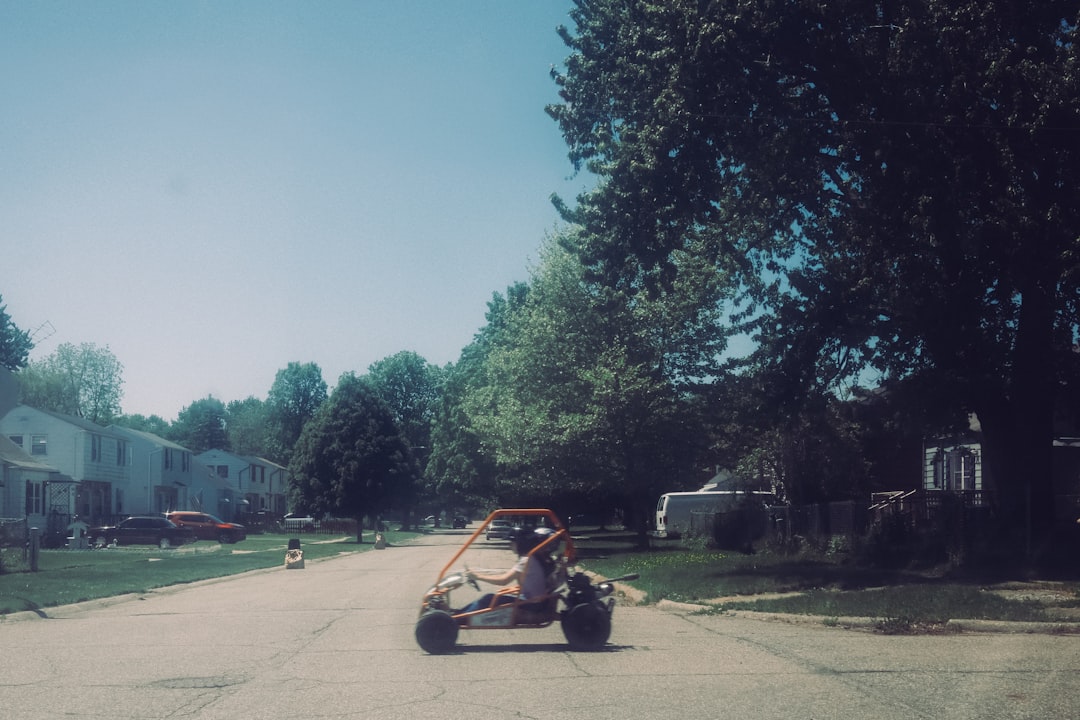
Buying a go kart for kids is one of the best ways to give a child real outdoor fun and a genuine sense of independence — but it is also easy to get wrong. The right kart matches your child’s age, size, and skill to the correct power source and safety features; the wrong one is either too tame to hold their interest or fast enough to be dangerous. This guide walks through how to choose a go kart for kids by age, the main types and how they compare, realistic pricing, and the safety features that actually matter, so you buy once and buy right.
What Is a Go-Kart for Kids?
A go kart for kids is a scaled-down, speed-limited kart built specifically for younger drivers, with safety features and dimensions matched to a child’s size rather than an adult’s. The defining traits are a lower top speed, a seat and pedals within a child’s reach, and — on powered models — a parent-controlled speed limiter and often a remote kill switch.
Unlike an adult kart, a good kids’ kart prioritizes control and confidence over outright speed. Pedal karts teach the basics with no engine at all; electric and small gas karts add power that grows with the child. The goal is a kart your child can master safely and enjoy for several years. For a deeper look at matching karts to specific ages, see our kids go-karts complete guide.
Types of Go-Karts for Kids
Kids’ karts fall into three main families, each suited to a different age and stage.
Pedal karts are human-powered, need no charging or fuel, and are ideal for ages roughly 3–8 to learn steering and coordination. Electric karts are the sweet spot for most families — quiet, low-maintenance, and fitted with adjustable speed limiters so the same kart grows with a child from about age 5 upward. Gas karts deliver the most power and longest run time, suiting older kids and teens (roughly 8+) with supervision and space. Choosing by your child’s current age and skill, not by what looks most exciting, is the key to a kart they will actually enjoy and stay safe on.
Go-Kart for Kids Types Compared
| Type | Best Age | Top Speed | Maintenance | Typical Price |
|---|---|---|---|---|
| Pedal kart | 3–8 | Child’s leg power | Very low | $100–$350 |
| Electric kart | 5–12 | 5–15 mph (limited) | Low | $200–$900 |
| Gas kart | 8+ | 10–25 mph | Higher | $500–$1,800 |
Cost and Key Considerations
A pedal go kart for kids runs $100–$350, an electric model $200–$900, and a gas kart $500–$1,800 depending on size and power. Electric karts offer the best balance of value, safety, and low upkeep for most families.
Beyond price, weigh the recurring costs and safety. Electric karts need only charging and occasional tire care; gas karts require fuel, oil changes, and more mechanical attention. The most important features to insist on are an adjustable speed limiter, a low center of gravity, a seat belt or bucket seat, and — ideally — a remote shut-off so a parent can stop the kart instantly. Always budget for a properly fitted helmet. Buy for the child’s current size, not one they will “grow into,” since an oversized kart is harder to control. For broader pricing across kart types, see how much a go-kart costs.
How to Choose a Go-Kart for Kids
Start with your child’s age, height, and experience. A first-time three-year-old belongs on a pedal kart; a confident eight-year-old can handle a speed-limited electric or small gas model. Match the kart’s power and top speed to their current skill, not their enthusiasm.
Prioritize safety features you can adjust as the child improves: a limiter you can raise gradually, a secure seat, and a remote cutoff for peace of mind. Check the weight and height ratings so the kart fits now, verify replacement parts and batteries are available, and confirm the pedals and steering are within easy reach. Finally, plan where they will drive — a flat, enclosed, traffic-free space is essential. Compare specific models sorted by age in our best go-karts for kids by age roundup and the full kids go-karts complete guide.
Think about longevity and resale before you commit. A kart with an adjustable seat and a raiseable speed limiter genuinely grows with a child across several years, whereas a fixed toy-grade kart is quickly outgrown and hard to pass down. Sturdy, repairable construction — steel frame, standard tires, easily sourced batteries — holds its value and keeps the kart running long after a disposable model would have been thrown away. It also pays to check reviews for real-world durability, since the parts most likely to fail on a kids’ kart are the throttle, the charger, and the battery, and a brand with responsive support and available spares saves you far more than a slightly lower purchase price ever will.
Pros and Cons
A kids’ kart brings big benefits, but each type carries trade-offs worth weighing before you buy.
Pros
- Builds coordination, confidence, and outdoor activity
- Electric models are quiet, clean, and low-maintenance
- Adjustable speed limiters let one kart grow with the child
- Pedal karts are affordable and need no charging or fuel
- Remote cutoffs give parents instant control
Cons
- Gas karts need fuel, oil, and more upkeep
- Requires a flat, enclosed, traffic-free space to ride
- Kids outgrow smaller karts within a few years
- Quality safety-featured karts cost more than bare toys
Frequently Asked Questions
What age is right for a go-kart for kids?
How fast should a kids go-kart go?
Are electric or gas karts better for kids?
What safety features should a kids go-kart have?
How much does a go-kart for kids cost?
Should I buy a bigger kart for my child to grow into?
Final Thoughts
The right go kart for kids matches your child’s age, size, and skill to a kart with the safety features that let them build confidence without outrunning their ability. Prioritize an adjustable limiter, a secure seat, and a remote cutoff, and buy for who your child is today. When you are ready to compare models, start with our best go-karts for kids by age roundup and the full kids go-karts complete guide.