
Kids’ kart racing is the most accessible entry point into real motorsport, and for many families it is where a lifelong passion begins. Done right, it teaches focus, sportsmanship, and mechanical curiosity while keeping safety front and center. This guide walks you through how the sport is structured by age, what a first season actually costs, the categories your child can start in, and how to weigh the trade-offs before you commit. Whether you are eyeing a casual club day or a competitive championship path, you will leave knowing exactly what the next step looks like and how to take it without overspending or over-pressuring a young driver.
What Is Kids’ Kart Racing?
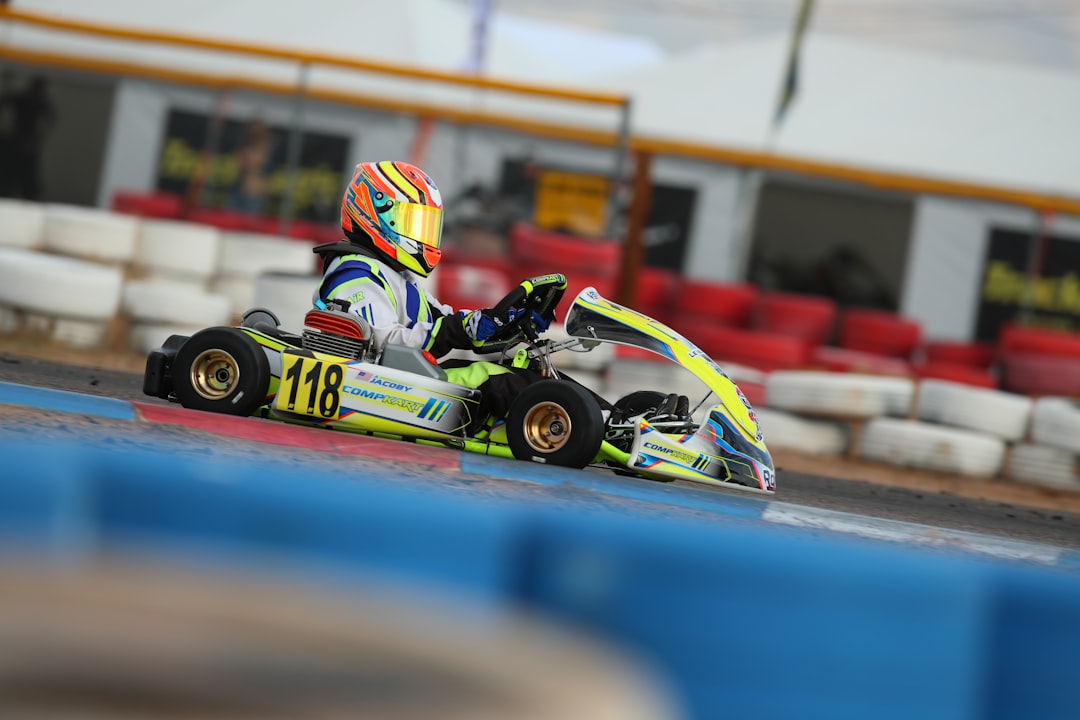
Kids’ kart racing is organized, wheel-to-wheel competition on purpose-built kart circuits, using small chassis and low-powered engines sized to a child’s age and weight. It is distinct from backyard recreational karting: races are governed by a sanctioning body, drivers hold a license, and safety gear is mandatory. Most children begin between ages 5 and 8 in an entry class, then move up as they grow.
The appeal is that karting scales cleanly. The same fundamentals a five-year-old learns in a slow electric cadet kart — racing line, braking points, awareness of other drivers — carry all the way to shifter karts and, for a small number, into car racing. For a fuller picture of the machines themselves, see our kids’ go-karts complete guide, and to match a chassis to your child’s stage, our best go-karts for kids by age breakdown.
Types of Kids’ Kart Racing
Not every young racer needs a national license on day one. The sport offers several on-ramps, each with a different cost, intensity, and time commitment.
- Arrive-and-drive club days: The lowest barrier. A local track supplies the kart and gear for an hourly rate, and kids race in age-grouped heats. Ideal for testing genuine interest before buying anything.
- Cadet class (roughly ages 5-8): The formal first rung. Small chassis with restricted engines cap speed while drivers learn racecraft. Many series use spec engines to keep costs and competition fair.
- Junior classes (roughly ages 8-12): Faster chassis and engines, longer races, and real championship standings. This is where committed families invest in their own equipment.
- Senior and shifter progression (12+): The bridge into adult competition, including gearbox karts. Speeds and costs rise sharply here.
Kids’ Kart Racing Classes Compared
The table below compares the common tiers so you can see where a child fits and what each step demands. Ages and speeds are typical ranges; exact rules vary by sanctioning body and region.
| Class / Path | Typical Age | Approx. Top Speed | Commitment | Best For |
|---|---|---|---|---|
| Arrive-and-drive club | 5-14 | 15-30 mph | Casual, drop-in | Trying the sport |
| Cadet (spec) | 5-8 | 25-40 mph | Seasonal, local | First real racing |
| Junior | 8-12 | 45-60 mph | Regular, regional | Championship-minded kids |
| Senior / Shifter | 12+ | 60-80+ mph | High, competitive | Serious progression |
Cost of Getting Started in Kids’ Kart Racing
Costs range enormously depending on how competitive you get. An arrive-and-drive club day can be under $50 including gear rental, which makes it the smart first move. Buying in is where the numbers climb.
A used cadet chassis with an engine typically runs $1,500-$4,000; new competitive packages reach $6,000 and up. Safety gear for a child — helmet, suit, gloves, boots, rib protector, and neck brace — usually totals $400-$800. Then come the recurring costs: race entry fees ($50-$200 per event), tires (a set can be $150-$250 and may last only a weekend at the front), fuel, spares, and transport. For context on how karting prices sit against other builds, our how much does a go-kart cost guide is worth a read before you buy. Many families keep first-year spending reasonable by racing a spec class and buying quality used equipment.
How to Choose the Right Starting Point
Start with interest, not equipment. Book two or three arrive-and-drive sessions and watch whether your child asks to go back. Genuine enthusiasm — not parental ambition — should drive the decision to buy in.
Next, visit your nearest sanctioned track and talk to the club. Ask which cadet class they run, whether it is spec (cheaper, closer racing) or open, and what a realistic first-season budget looks like there. Prioritize a local, active class over the fastest or most prestigious series; a full grid ten minutes from home beats an empty premier class two hours away. Finally, buy safety gear new and correctly sized, but consider quality used chassis and tires to control cost. A supportive club and a well-fitted helmet matter far more to a beginner than horsepower.
Pros and Cons
Kids’ kart racing delivers real developmental benefits, but it is a demanding hobby for the whole family. Weigh both sides honestly.
Pros
- Builds focus, reflexes, and sportsmanship in a structured setting
- Clear, safe progression path from cadet karts to advanced classes
- Strong mechanical and problem-solving learning for curious kids
- Arrive-and-drive lets you start for very little money
Cons
- Ongoing costs (tires, entries, spares) add up fast at the competitive end
- Requires significant parent time for transport, prep, and race weekends
- Injury risk exists and demands strict, correctly fitted safety gear
Frequently Asked Questions
What age can kids start kart racing?
Is kids kart racing safe?
How much does it cost to start?
Do children need a racing license?
What safety gear does my child need?
Can kart racing lead to car racing?
Final Thoughts
Kids’ kart racing rewards families who start small and let genuine interest lead. Try arrive-and-drive first, lean on a local sanctioned club for guidance, and invest in proper safety gear before chasing speed. From there, the sport offers a clear, well-managed path as your child grows. When you are ready to pick a machine, our best go-karts for kids by age guide and the broader kids’ go-karts complete guide will help you choose confidently — safely, and within budget.