
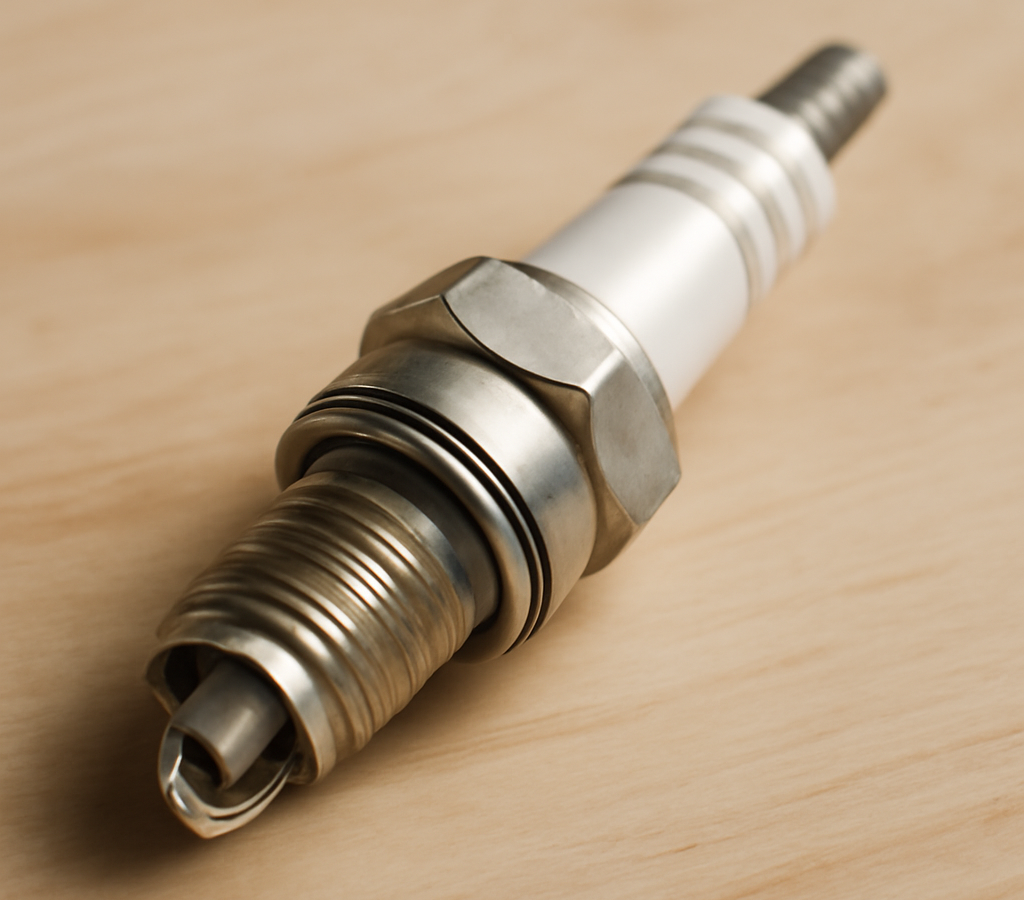
The predator 212 spark plug is the cheapest, easiest maintenance item on Harbor Freight’s 212cc engine, yet it causes an outsized share of hard-starting and rough-running headaches. The stock plug is a common torch-style unit with a widely available NGK equivalent, it gaps at roughly 0.028 to 0.030 inches, and it costs just a few dollars to replace. This guide covers the correct plug, the right gap, how to swap it in a few minutes, and the upgrade myths worth ignoring so you do not waste money chasing power a spark plug cannot deliver.
What Spark Plug Does a Predator 212 Use?
The predator 212 spark plug from the factory is a standard small-engine torch plug, and the most commonly referenced replacement is an NGK equivalent that fits the same thread and reach. It is the same basic plug family used across many GX200-clone engines.
Because the 212 is a clone of the Honda GX200, plugs that fit that engine family generally fit the 212 as well. That makes finding a replacement easy at almost any auto parts store or online.
The key specifications to match are the thread size, the reach, and the heat range. Stick with the standard heat range for normal use; you only consider a colder plug for heavily modified, high-compression, or boosted engines that run hotter.
The Correct Gap and Specs
Gap matters more than most beginners realize, because too wide or too narrow a gap causes weak spark and hard starting.
Gap: set the electrode gap to roughly 0.028 to 0.030 inches. Use a feeler or coin-style gap gauge and bend the ground electrode gently until it is right.
Heat range: the standard range suits a stock or mildly modified 212. Go one step colder only if you have raised compression, added boost, or run sustained high RPM and see signs of overheating on the plug.
Torque: snug the plug so it seats without crushing the washer, roughly hand-tight plus a quarter to half turn. Overtightening strips the aluminum head threads, which is an expensive mistake on a cheap part.
Predator 212 Spark Plug Options Compared
You do not need anything exotic, but it helps to understand the choices. Here is how the common options stack up.
| Plug type | Typical cost | Best for | Notes |
|---|---|---|---|
| Stock torch plug | $2-$4 | Basic replacement | Works fine for most stock engines |
| NGK standard equivalent | $3-$6 | Reliable everyday use | The popular go-to upgrade in quality |
| NGK iridium | $8-$12 | Longer life, easy starts | Nice but not a power adder |
| Colder-range plug | $4-$10 | High-compression or boosted builds | Only needed on hotter-running engines |
For most owners, a quality standard-heat NGK is the sweet spot: reliable, cheap, and readily available.
Cost and How to Replace It
A spark plug is a few dollars, which is one of its best features, since it is the cheapest way to rule out a running problem. The whole job takes about five minutes with a spark plug socket.
Pull the spark plug boot, remove the old plug with the correct socket, check and set the gap on the new plug, then thread it in by hand to avoid cross-threading before final tightening. Reattach the boot and you are done.
Replace the plug at the first sign of hard starting, misfiring, or fouling, and inspect it periodically as routine maintenance. You can pick up plugs and a gap gauge cheaply at Amazon. Keeping a spare in your kit is smart insurance for a race day or a long trail ride.
Upgrade Myths to Ignore
Spark plugs attract more marketing nonsense than almost any other small-engine part, so let us clear it up.
A fancy plug does not add horsepower. An iridium or multi-electrode plug can start easier and last longer, but on a healthy engine it will not make meaningful extra power. The gains people chase come from the exhaust, carburetor, and cam, not the plug.
Wider gaps are not automatically better. Too wide a gap strains the stock ignition and causes misfires. Stick to the 0.028 to 0.030 inch range unless a specific build calls for otherwise.
Exotic plugs will not fix a real problem. If your 212 runs poorly, look at the carburetor, valve lash, and fuel before blaming the plug. Real power comes from proper tuning, so start with our best Predator 212 upgrades and the Predator go kart engine guide rather than a premium spark plug.
Pros and Cons
Pros
- Cheapest maintenance item on the whole engine
- Easy five-minute swap with one common socket
- A fresh plug often fixes hard starting and misfires
- Widely available thanks to the GX200-clone design
Cons
- A new plug will not add real horsepower on its own
- Wrong gap or heat range causes hard starting and misfires
- Overtightening can strip the aluminum head threads
- Premium plugs rarely justify their cost on a stock engine
Frequently Asked Questions
What spark plug fits a Predator 212?
What is the correct spark plug gap for a Predator 212?
Will an upgraded spark plug make my 212 faster?
How often should I replace the spark plug?
Do I need a colder spark plug for my modified 212?
Can I overtighten the spark plug?
Final Thoughts
The predator 212 spark plug is proof that the cheapest part can save you the biggest headache. Match the stock torch plug or its NGK equivalent, set the gap to 0.028 to 0.030 inches, snug it without stripping the threads, and keep a spare in your kit. Just do not expect a plug to add power, because that comes from proper tuning. When your engine is running clean and you are ready for real gains, our best Predator 212 upgrades guide is the place to go next.