
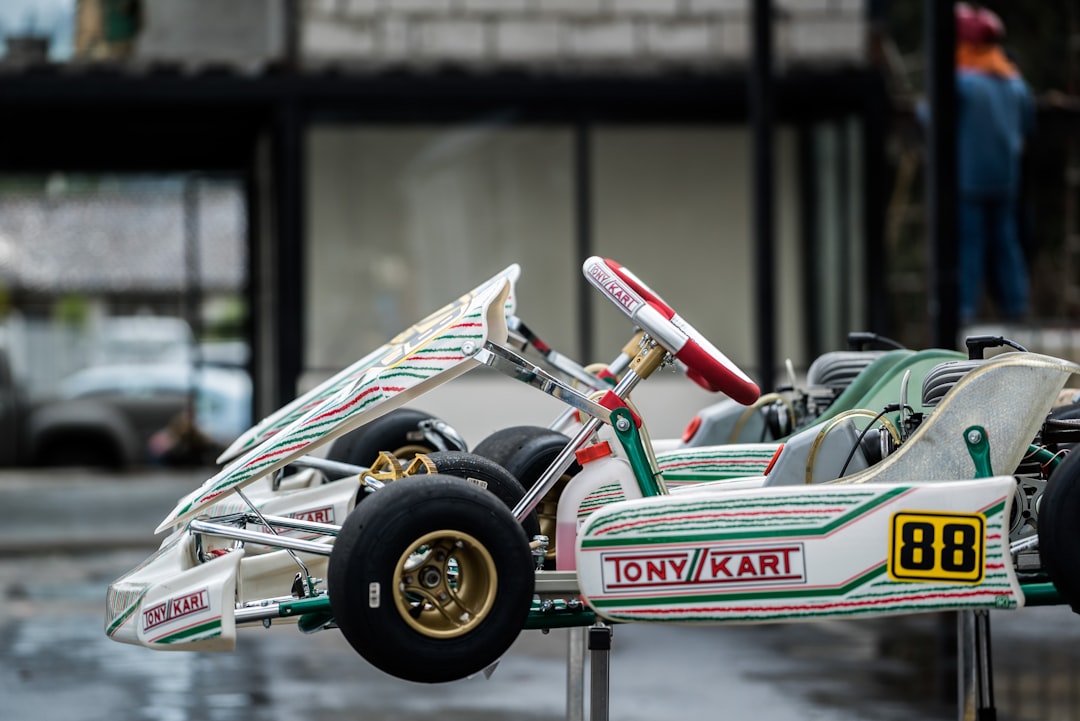
Shopping for vintage go karts for sale comes down to three things: knowing where the good karts turn up, judging originality and condition before you pay, and budgeting honestly for what it takes to get one running. Karts from the late 1950s through the 1970s (the Rupp, McCulloch and West Bend era of steel-tube frames and small two-strokes) still surface in barns, garages, estate sales and club swap meets. Prices swing widely with completeness and brand. A rough project can be cheap to buy and expensive to finish, and a correct, original kart costs more up front for good reason. This guide covers the best places to look, how condition tiers translate to price, what to inspect, and what restoration really costs.
Part of our Buying a Go-Kart guide — explore the full guide →
What Counts as a Vintage Go-Kart?
There is no official cutoff, but most collectors and vintage racing groups focus on karts built from the late 1950s through the 1970s, with some clubs extending into the early 1980s. Rules for vintage events vary, so if you plan to race, read the class rules of the club you would join before you buy.
These karts were built when the sport was new. Expect simple steel-tube frames, a solid live rear axle, upright seating, drum or early disc brakes, and small two-stroke engines mounted beside or behind the driver. Some racing karts of the period carried two engines.
Collectibility comes from scarcity and character. Many early makers built karts in modest numbers, and decades of racing, rust and scrapping thinned out the survivors. A complete kart with its period engine, wheels, seat and steering parts is hard to find, which is why originality usually drives value more than shiny paint. For the history of who built what, read our guide to vintage go-kart brands.
Where to Find Vintage Go Karts for Sale
Vintage karts rarely show up where modern karts are sold. These are the main sources, roughly from best documented to most hit-or-miss.
Vintage karting clubs and swap meets
Vintage kart events usually have a swap area, and the people selling there generally know what they have. Prices tend to be fair but firm. You can inspect in person, ask about history, and often get advice on parts sources from the same seller.
Collector forums and enthusiast groups
Online vintage karting communities list complete karts, projects and parts stashes. Good karts at sensible prices can sell quickly, so it helps to be an active member who already knows what you want. These groups are also the best place to ask whether a listing is what it claims to be.
Estate sales, farm auctions and barn finds
This is where bargains turn up. A kart that has sat under a tarp for 40 years is often listed simply as an “old go cart.” Expect a seized engine, flat or cracked tires and surface rust, but also expect original parts that nobody thought to replace.
General classifieds and auction sites
Worth watching, but sellers often misidentify karts or price rough projects as if they were restored. Learning frame and bracket details (see our vintage go-kart identification guide) is your best protection here. Our page on Rupp go-karts for sale covers one of the most searched-for makes in detail.
Condition Tiers and Typical Prices
Vintage karts trade in broad condition tiers, and each tier implies a very different total cost. The ranges below are rough US market guides based on how these karts typically trade, not price quotes. Brand, rarity and the presence of a correct period engine can move a kart well outside them.
| Condition | What you usually get | Typical asking range (USD) | Work still ahead | Best for |
|---|---|---|---|---|
| Barn find / project | Rolling frame, seized or missing engine, heavy patina | $150–$800 | Full teardown and a long parts hunt | Patient restorers |
| Complete original | Major parts present, runs or nearly runs | $800–$2,500 | Seals, tires, brakes, fuel system | Collectors and preservers |
| Older restoration | Restored years ago, showing wear again | $1,000–$3,000 | Refresh plus a correctness check | Riders and displayers |
| Fresh, period-correct restoration | Show-ready, correct parts throughout | $3,000 and up | Little; you pay for it up front | Serious collectors |
A desirable maker with its original engine can sit well above these ranges. A no-name frame with a modern engine swap usually sits below them.
Originality vs Condition: What Drives Value
Smart vintage buyers learn one rule early: originality is usually worth more than condition, and it is hard to buy back later. A rough but complete kart with its original engine, wheels, steering wheel and seat is often a better collector buy than a polished kart wearing reproduction or modern parts. Paint can be redone in a weekend. A correct period engine can take years to find.
That does not mean modified karts are worthless. A kart with tasteful, reversible changes can be a great rider. Just price it as a rider, not as a collector piece, and do not pay a premium for “original” unless the seller can show you why it is.
How to Inspect a Vintage Kart Before You Buy
Bring a flashlight, a tape measure, a magnet and a phone for photos. Then work through the kart methodically.
- Frame. Look for cracks at the steering supports, engine mounts and axle bearing hangers. Sight down the rails for bends. Brazed repairs, extra drilled holes and mismatched tubing suggest a hard past.
- Steering. Check spindles and kingpins for play, bends and replacement parts. Period spindles can be among the harder parts to source for some makes.
- Engine. Confirm whether it turns over, whether it matches the kart’s era, and whether it is complete (carburetor, ignition, exhaust, shroud). A seized engine may still be rebuildable, but price it as if it needs everything.
- Wheels, axle and brakes. Original wheels add value. Bent axles and missing brake parts add cost.
- Paperwork and history. Old race plates, photos, receipts and club history all support a seller’s story and can add real value.
Before you commit, research parts support for that specific make. Some brands have active reproduction-part communities. Others leave you making your own bushings and brackets. Our guide to vintage go-kart parts covers where restorers usually look.
What Restoration Really Costs
Restoration costs vary enormously with the kart, your skills and parts availability. As a rough planning guide for a typical project in the US:
- Engine rebuild: often a few hundred dollars to over $1,000 for a vintage two-stroke, assuming parts exist. Scored cylinders or cracked cases cost more, and some castings are effectively irreplaceable.
- Frame and metalwork: commonly $200–$600 for stripping, rust repair and paint or powder coat if you do the prep yourself, more for cracked tubes or bent steering parts.
- Rolling gear and hardware: bearings, chain, sprockets, brake parts, fasteners and tires typically add several hundred dollars. Modern consumables are cheap; period-correct wheels and tires are not.
A cheap project often ends up costing two to four times its purchase price before it runs and looks right. That math works if you enjoy the process. If you mainly want to drive, buying a sorted kart outright is usually cheaper. For context on what modern karts cost by comparison, see how much a go-kart costs.
Choosing the Right Vintage Kart for Your Goal
Decide what you want the kart for before you start shopping, because it changes what you should pay for.
- Preservers want complete, unmodified karts and should pay up for documented originality.
- Restorers want a straight frame and as many original hard parts as possible. Cosmetic condition matters far less.
- Riders who want period looks with dependable function can accept sensible modern substitutions, such as fresh bearings or a safer brake setup.
- Vintage racers should read the class rules of their chosen club first. Eligibility for engines, tires and modifications varies, and a kart that is fine for display may not be eligible to race. Our vintage go-kart racing guide explains how those events typically work.
Safety When Running a Vintage Kart
Old karts were built to the standards of their day, which were simple. If you plan to drive one, replace brake components, fuel lines, throttle cable and bearings rather than trusting decades-old parts. Check the steering for play, and fit a chain guard if the kart has none and your event allows it. Wear a properly certified full-face helmet and suitable gear, and keep speeds sensible on original components.
Pros and Cons of Buying Vintage
Vintage karting rewards patience and punishes impulse buys. Weigh both sides before you bid.
Pros
- Real motorsport history you can own and drive
- Complete original examples tend to hold value well
- Simple mechanical design that a home mechanic can restore
- Friendly club scene with events, swap meets and shared knowledge
Cons
- Period engine parts can be scarce and expensive
- Restoration often costs more than the purchase price
- Misidentified and incomplete karts are common in general listings
- Not suited to hard modern track use
Frequently Asked Questions
How much does a vintage go-kart cost?
Where is the best place to find vintage go karts for sale?
Is it cheaper to buy a restored kart or restore one myself?
Do original parts really matter?
Can I still drive a vintage go-kart?
How do I tell which brand a vintage kart is?
Are old amusement park go-karts worth buying?
What is an old go-kart with a belt-driven rear wheel?
Where was the engine mounted on vintage go-karts?
Final Thoughts
Buying vintage is part treasure hunt, part discipline. Buy the most complete, most original kart you can afford, inspect the frame and engine before money changes hands, and budget restoration realistically. Learn the makers first in our vintage go-kart brands guide, because knowing exactly what you are looking at is the biggest advantage a vintage buyer can have.