
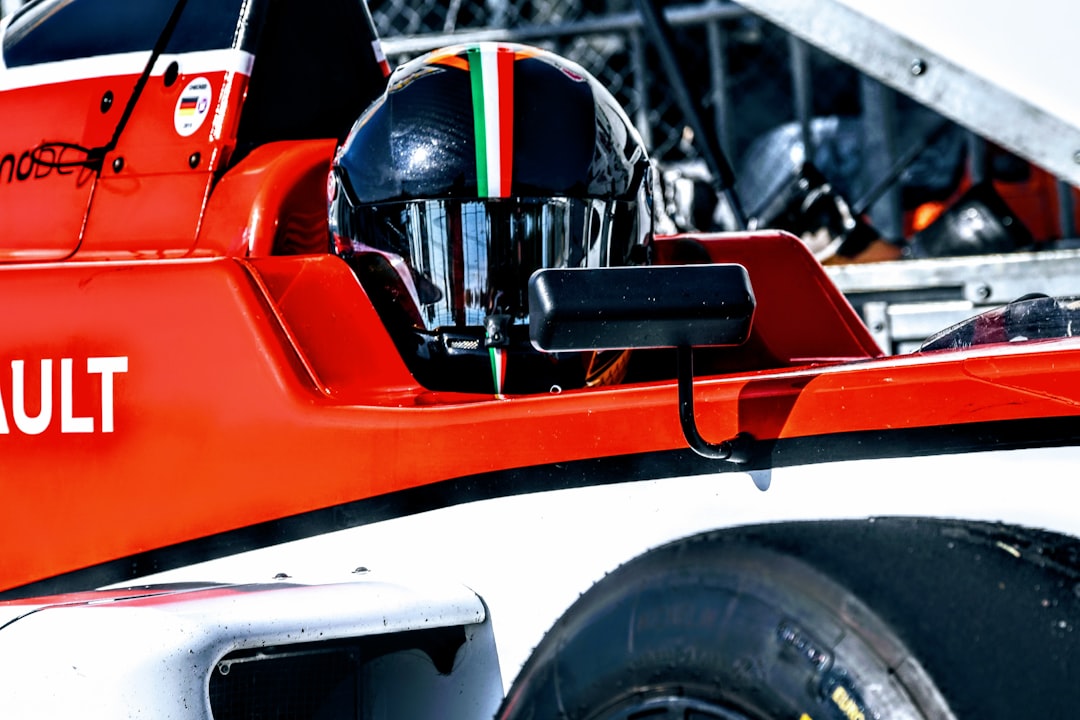
If you are wondering what age do f1 drivers start karting, the answer is remarkably consistent: most of the modern grid first sat in a kart between the ages of 4 and 8. Champions like Lewis Hamilton, Max Verstappen, Fernando Alonso, and Sebastian Vettel are all well documented as having started karting in early childhood, and that pattern holds across nearly the entire field. Karting is where car control, racecraft, and competitive instinct get wired in — years before a driver is old enough for a road license. This guide covers why the starting age is so young, how the ladder from kid karts to F1 actually works, and what starting later honestly means.
What Age Do F1 Drivers Start Karting? The 4–8 Window
Look through the biographies of current and recent F1 drivers and the same story repeats: a first kart at age 4, 5, or 6, often bought by a racing-mad parent, followed by local club races by 7 or 8. Verstappen famously grew up in a karting family and was racing competitively as a young child; Hamilton started around age 8 and was winning British cadet championships within two years; Alonso was in karts as a toddler-aged child in Spain. The precise ages vary by a year or two, but almost nobody on the grid started karting as a teenager.
Why so young? Three reasons. First, seat time compounds — a driver who starts at 5 has logged thousands of racing laps by 12, and those reps build reflexes that are extremely hard to replicate later. Second, the junior single-seater ladder has hard age gates: drivers typically move to cars at 14–16, so the karting apprenticeship has to happen before then. Third, scouting happens early — karting championships at 10–14 are where academies and sponsors find talent.
The Ladder: From Kid Karts to Formula 1
The path from a first kart to an F1 seat is a well-worn staircase, and each step has a rough age band.
| Stage | Typical age | What it involves |
|---|---|---|
| Kid karts / baby karts | 4–7 | 50cc karts, learning basics at club level |
| Cadet karting | 7–12 | 60cc classes, first serious championships |
| Junior karting | 12–15 | 100–125cc, national and European or world titles |
| Senior karting | 15+ | Top international classes, shifter karts |
| Junior formula cars | 14–17 | F4, then F3 — first car racing |
| F2 and F1 | 17–22 | Final proving ground, then a Grand Prix seat |
Notice the compression at the top: many recent drivers debuted in F1 between 17 and 21, which only works if the karting years began in single digits. We cover the early rungs in detail in our guide to kids kart racing, and the upper rungs in our look at professional go-kart racing.
What the Karting Years Actually Teach
Karting is not just a holding pattern until a driver is old enough for cars — it is where the core skill set is built. Wheel-to-wheel racecraft, throttle and brake modulation on low-grip tires, reading rivals, managing races from the front and recovering from the back: all of it is learned in karts, at a fraction of the cost of car racing. F1 drivers routinely return to karts in the off-season to stay sharp, which tells you how relevant the discipline remains. Kart racing also teaches losing — a child who races 30 weekends a year learns resilience and pressure management that no simulator can provide.
Started Late? Here Is the Honest Truth
If you (or your child) are starting at 12, 15, or 25, honesty matters: the statistical odds of reaching F1 were already microscopic for the kids who started at 5, and starting late shrinks them further. The ladder ages, sponsor expectations, and the sheer lap-count deficit make a late-start F1 career vanishingly rare in the modern era.
But — and this is the important part — F1 is not the only worthwhile destination. Karting has thriving competitive classes for every age, including masters categories for adults, and drivers who start in their teens can absolutely become front-running club and national kart racers. Late starters have also built real careers in endurance racing, touring cars, and rallying, where the entry funnel is wider. There is genuinely no age at which karting stops being worth starting; our guide to go-karting age requirements breaks down when kids can start and what adults can jump into right now.
Pros
- Starting at 4–8 builds thousands of laps before the car-racing years
- Cadet and junior karting is where academies scout talent
- Karting skills transfer directly to every form of motorsport
- Adult and masters classes make karting rewarding at any age
Cons
- An F1 path realistically requires an early-childhood start
- Competitive karting seasons cost serious money at every level
- The lap-count deficit from a late start is hard to close
- Ladder age gates leave little room for detours or gap years
Frequently Asked Questions
At what age did most current F1 drivers start karting?
Is 13 too late to start karting for F1?
What is the youngest age a child can start karting?
Do F1 drivers still drive karts?
How much does junior karting cost per year?
Can adults start karting competitively?
Final Thoughts
The answer to what age do f1 drivers start karting is early — almost universally between 4 and 8, with serious competition underway by 10. That early start feeds a ladder that runs from kid karts through cadet, junior, and senior classes into cars by the mid-teens. If that window has passed for you, karting is still one of the most rewarding sports you can take up at any age — the podiums just say club championship instead of Grand Prix, and the racing is every bit as real.