
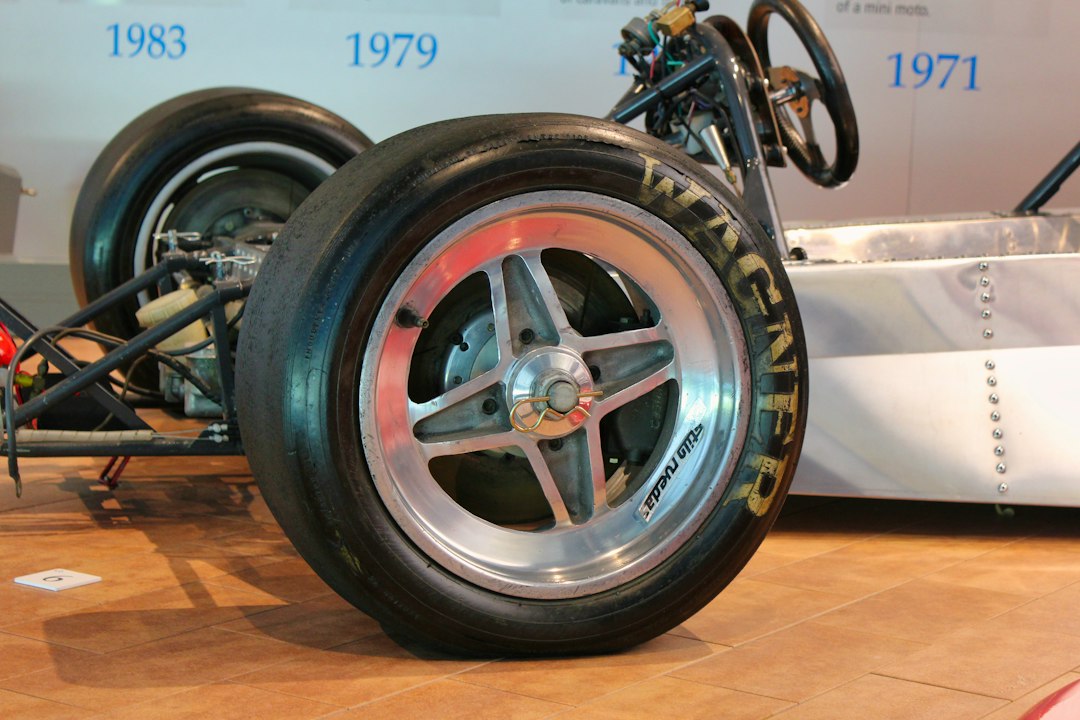
Aluminum kart wheels are the standard on racing karts and a popular upgrade for recreational machines. Compared with steel or plastic rims, aluminum offers a better balance of low weight, strength and heat management, and it gives you more control over tire fit and handling. Not all aluminum wheels are the same, though. Cast, billet and forged wheels differ in strength, weight and price, and the wrong width, offset or bolt pattern can ruin handling or simply not fit. This guide explains the types of aluminum kart wheels, how sizing and offset work, what they typically cost, and how to choose the right set.
Part of our Go-Kart Parts guide — explore the full guide →
What Are Aluminum Kart Wheels?
Aluminum kart wheels are rims made from aluminum alloy that mount the tires to the hubs. On a racing kart, they bolt to front spindle hubs and rear axle hubs, usually with a three-bolt pattern. On recreational karts, they may use a center bearing bore and a through-bolt or a lug pattern.
The wheel does more than hold the tire. Its weight affects how quickly the kart accelerates and turns in. Its stiffness and material affect how heat moves out of the tire. Its width and offset affect track width and grip. For a broader overview of rim types and sizes across all materials, see our go-kart wheels guide.
Types of Aluminum Kart Wheels
Cast aluminum wheels are made by pouring molten alloy into a mold. They are the most common type on both racing and recreational karts because they are affordable and consistent. They are slightly heavier than billet wheels for a given strength, but well-made cast wheels are perfectly suitable for most drivers.
Billet aluminum wheels are machined from a solid block of aluminum. They can be made lighter and more precise, and they often offer more design options. They cost more and are commonly used in competitive racing and on high-end recreational builds.
Forged aluminum wheels are shaped under high pressure, producing a dense, strong structure. They are less common in karting and tend to be priced at the premium end.
Magnesium wheels are not aluminum, but they are worth mentioning because they are a common racing alternative. Magnesium is lighter and handles heat differently, which some drivers prefer in certain conditions. It is more expensive and needs more care against corrosion.
Aluminum Kart Wheel Types Compared
| Type | Weight | Strength | Common Use | Typical Set Price Range |
|---|---|---|---|---|
| Cast aluminum | Moderate | Good | Club racing, recreational upgrades | $150 to $350 |
| Billet aluminum | Light | Very good | Competitive racing, premium builds | $300 to $700 |
| Forged aluminum | Light | Excellent | Specialist and high-end use | $400 and up |
| Magnesium (alternative) | Lightest | Good, needs care | Racing, specific tracks and conditions | $400 and up |
Prices are typical ranges for a set of four and vary by brand, finish and width.
Sizes, Widths and Offset
Most racing kart wheels are 5 inches in diameter, with fronts commonly around 130mm wide and rears ranging from about 180mm to 212mm depending on class and tire. Recreational karts use a wider range of sizes, including 6, 8 and 10 inch wheels.
Width must match the tire. Mounting a tire on a wheel that is too narrow or too wide changes the tire profile and grip, and in some cases makes mounting unsafe. Always check the tire manufacturer recommendation. Our go-kart tire sizes guide explains how the numbers on a tire relate to wheel size.
Offset describes where the mounting face sits relative to the wheel center. It changes track width and the leverage the tire has on the hub. Racing drivers use offset and wheel width as tuning tools, but beginners should start with the standard setup for their chassis and class.
Bolt pattern and hub type also matter. Most modern racing karts use a three-bolt pattern, while recreational karts may use a bearing bore or four-lug arrangement. Confirm your hub design before buying. Our wheel hub guide covers the main standards.
How Aluminum Wheels Affect Handling
Lighter wheels reduce rotating mass, which helps acceleration and makes the kart respond a little more quickly to steering. On a recreational kart, the change can be noticeable when replacing heavy steel wheels.
Wheel material and design also influence how the tire heats. Aluminum generally conducts heat well, which can help a tire stay in a usable temperature window. Racers sometimes switch between wheel materials or designs to tune grip for cold or hot conditions. Wheel stiffness plays a role too, since a stiffer wheel transmits more load into the tire and chassis.
For recreational drivers, the main benefits are lower weight, better tire fitment options and a more durable rim that resists bending better than cheap stamped steel.
Cost of Aluminum Kart Wheels
A set of cast aluminum kart wheels typically costs between $150 and $350. Billet sets often range from about $300 to $700, and forged or specialist wheels can cost more. Single replacement wheels are widely available, which is useful after an incident.
Remember to budget for related items. New wheels may need new valve stems, wheel nuts or studs, and possibly hubs if the bolt pattern differs. Tires are a separate cost and often more expensive than the wheels over time. See our go-kart tires guide for tire types and life expectancy.
How to Choose Aluminum Kart Wheels
First, confirm fitment: diameter, width, bolt pattern or bearing bore, and hub compatibility. If you race, check whether your class specifies wheel dimensions or materials; some do, so consult the current rulebook.
Second, match the wheel width to the tire you plan to run. A tire manufacturer will list approved rim widths.
Third, choose cast or billet based on budget and use. Cast wheels are the sensible starting point for most club racers and recreational upgrades. Billet makes sense when weight and precision matter or when you need a specific width and offset.
Fourth, inspect quality. Look for clean bead seats, accurate machining, no visible porosity in cast wheels, and a durable finish. Anodized or powder-coated wheels resist corrosion better than raw aluminum.
Finally, think about maintenance. Clean wheels after each session, check bead seats for damage, and inspect for cracks after any impact. Damaged bead areas can cause slow leaks and unseated tires.
Mounting Tires on Aluminum Wheels
Kart tires are tight on the bead, and aluminum is softer than steel, so mounting technique matters. Use a proper tire changer or mounting tool rather than screwdrivers or pry bars, which can gouge the bead seat and create a slow leak. A little tire mounting lubricant helps the bead slide into place without damaging the rim.
Seat the bead with gradual inflation and check that the molded line on the tire sits evenly around the rim on both sides. Then set pressure to the recommended range for your tire and conditions. Many racers also check wheels for air leaks with soapy water after mounting a new set.
When removing wheels, keep track of which wheel went on which corner and note any spacers on the hub. Small changes to spacing alter track width and handling, so reinstalling them consistently keeps your setup repeatable.
Pros and Cons
Aluminum wheels are the default for good reasons, but they are not free of trade-offs.
Pros
- Lighter than steel wheels for quicker response
- Good heat transfer helps tire temperature
- Wide range of widths and offsets for tuning
- Durable and widely available in standard sizes
Cons
- Cost more than stamped steel or plastic rims
- Cast wheels can crack after hard impacts
- Fitment varies by hub and bolt pattern
- Some racing classes restrict wheel choices
Frequently Asked Questions
Are aluminum kart wheels better than steel?
What size are most aluminum racing kart wheels?
Is billet better than cast aluminum?
Can I put aluminum wheels on a recreational go-kart?
How long do aluminum kart wheels last?
Do wheel materials affect grip?
Final Thoughts
Aluminum kart wheels give most drivers a lighter, stronger and more tunable setup than steel or plastic rims. Confirm fitment and tire width first, choose cast for value or billet for precision, and keep them clean and inspected. If you are pairing new wheels with new rubber, our racing go-kart tires guide helps you choose the right compound.