
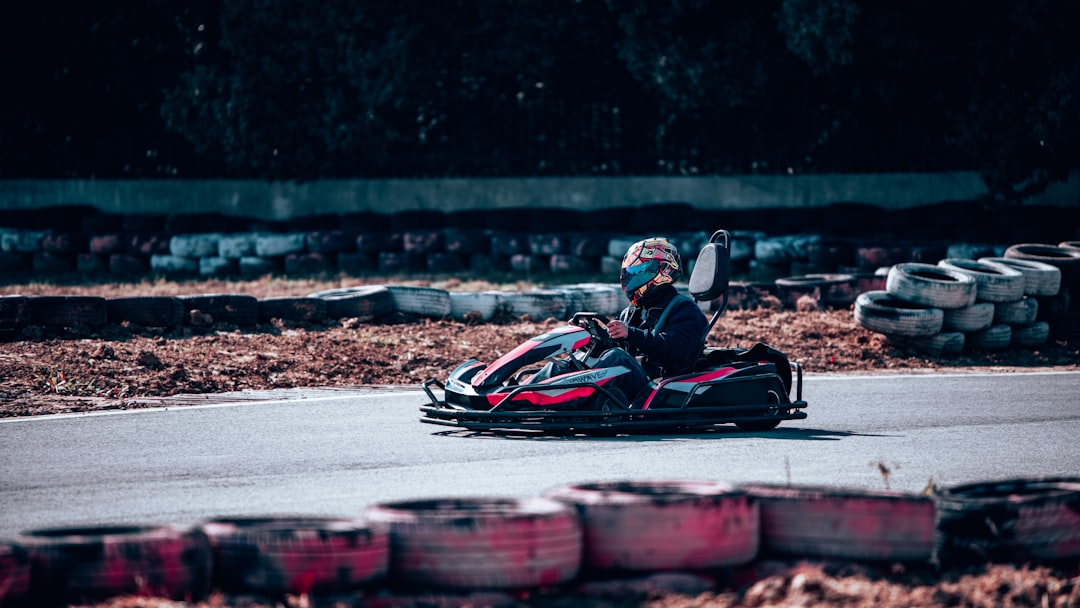
Drift karts flip normal kart logic on its head: instead of maximizing grip, they deliberately give it away, using slick rear wheels or caster wheels so kids can slide, spin, and hold drifts at low speeds. That trade is exactly what makes them such a good fit for children – the fun comes from technique, not velocity. The best drift kart for kids depends mainly on age and driveway: caster-wheel pedal drifters own the 4-9 bracket, while electric drift karts take over from about 6-7 up. This roundup compares both, explains the surface requirements that make or break the experience, and maps picks to age tiers.
What to Look For in a Kids Drift Kart
Drift karts are their own category with their own checklist. If you want the deeper theory – how caster angles and hard compounds create slides – our drifting go-kart for kids guide covers it; this roundup focuses on choosing one.
- Pedal (caster) vs electric: Caster drifters are kid-powered trikes with angled rear caster wheels – cheap, silent, and self-limiting because tired legs end the session. Electric drift karts add a motor (usually 24V, sometimes 36V) and hard PU rear wheels for sustained slides at 8-13 mph.
- Surface is everything: Drift karts need smooth, dry, level concrete or asphalt. On gravel, grass, or rough paving they either grip unpredictably or simply do not slide. Be honest about your driveway before you buy – this is the number one cause of disappointed reviews.
- Low seat height: The best drift karts sit inches off the ground, which keeps spins stable and makes tipping nearly impossible. Height is the enemy here.
- Replaceable rear wheels: Drifting eats rear wheels by design. Check that replacements are cheap and available before choosing a model.
- Fit for the age: As with every kart, reach to pedals and wheel beats the age printed on the box. Our best go-karts for kids by age pillar has the sizing fundamentals.
Best Drift Kart for Kids Compared
| Type | Typical Age | Speed | Surface Needed | Typical Price |
|---|---|---|---|---|
| Caster-wheel pedal drifter | 4-9 | Kid-powered (~3-6 mph) | Smooth pavement, slight slope helps | $80-$250 |
| 24V electric drift kart | 6-10 | 8-12 mph | Smooth, flat concrete or asphalt | $400-$900 |
| 36V electric drift kart | 9-13 | 10-15 mph | Large smooth pavement area | $700-$1,400 |
Our Picks by Age Tier
Ages 4-6: Caster-Wheel Pedal Drifter
For the youngest tier, a pedal-powered caster drifter is the clear pick. Kids pump the pedals, yank the wheel, and the caster rears swing out into a slide – all at speeds their own legs set. There is no battery, nothing to maintain beyond wheel checks, and the low tricycle stance makes tipping a non-issue. It is also the cheapest entry in all of karting, which makes it a low-risk test of interest.
Ages 6-10: 24V Electric Drift Kart
Once legs and confidence outgrow pedal power, a 24V electric drift kart brings motorized slides at 8-12 mph with hard rear wheels doing the drifting. Look for a parental speed setting, a belt or high-back seat, and front rubber tires for steering grip. Battery sessions run 30-50 minutes of aggressive driving. Many of the buying rules from our 24V electric go-kart guide apply directly – same voltage class, different rear wheels.
Ages 9-13: 36V Electric Drift Kart
Bigger kids need more torque to break traction under their extra weight, which is what the 36V tier provides, along with larger frames and 10-15 mph capability. This is the tier where drifting starts to look like actual technique – throttle-initiated slides, counter-steering, held donuts – and where a bigger paved area becomes essential, because drifts cover serious ground. A weight rating of 130-150 pounds keeps the kart working through growth spurts.
Safety Essentials
Drift karts are low and slow, but they spend their lives spinning – so the risk profile is sideways impacts and unpredictable paths, not high-speed crashes. A helmet is still non-negotiable; our go-kart helmets for kids guide covers getting the fit right on growing heads. Add gloves (hands instinctively go out in spins) and closed shoes, and clear the drift area of curbs, planters, and parked cars with generous margin, since a drifting kart needs two to three kart-widths of side room. Keep sessions away from any surface that slopes toward a street, never share the pad with pedestrians or pets mid-session, and check rear wheel wear regularly – worn-through PU sleeves can crack and bite suddenly. Dry pavement only: wet concrete turns predictable slides into lottery tickets.
Pros and Cons of Drift Karts for Kids
Pros
- Slides deliver big thrills at low, parent-friendly speeds
- Ultra-low seating makes tipping far less likely than on standard karts
- Caster pedal models are the cheapest motorless entry into karting
- Teaches counter-steering and throttle finesse that transfer to all driving
Cons
- Useless without smooth, dry, level pavement to ride on
- Rear drift wheels wear out by design and need regular replacement
- Spinning karts need much more clear space than their speed suggests
- A drift kart cannot replace a standard kart for grass or dirt use
Frequently Asked Questions
What age can kids start using a drift kart?
Are drift karts safe for kids?
What surface do drift karts need?
What is the difference between a drift kart and a regular go-kart?
How long do drift kart rear wheels last?
Should we buy a drift kart or a standard electric kart first?
Final Thoughts
Match the drift kart to the age tier and the pavement you actually have: a caster pedal drifter for ages 4-6, a 24V electric for 6-10, and a 36V machine once size and skill demand it – always with a helmet, always on smooth dry ground with room to spin. If you are still weighing drifting against conventional karting, read our companion kids drifting guide for the technique side, then check the complete kids go-kart guide to see how a drifter fits alongside the rest of the market.