
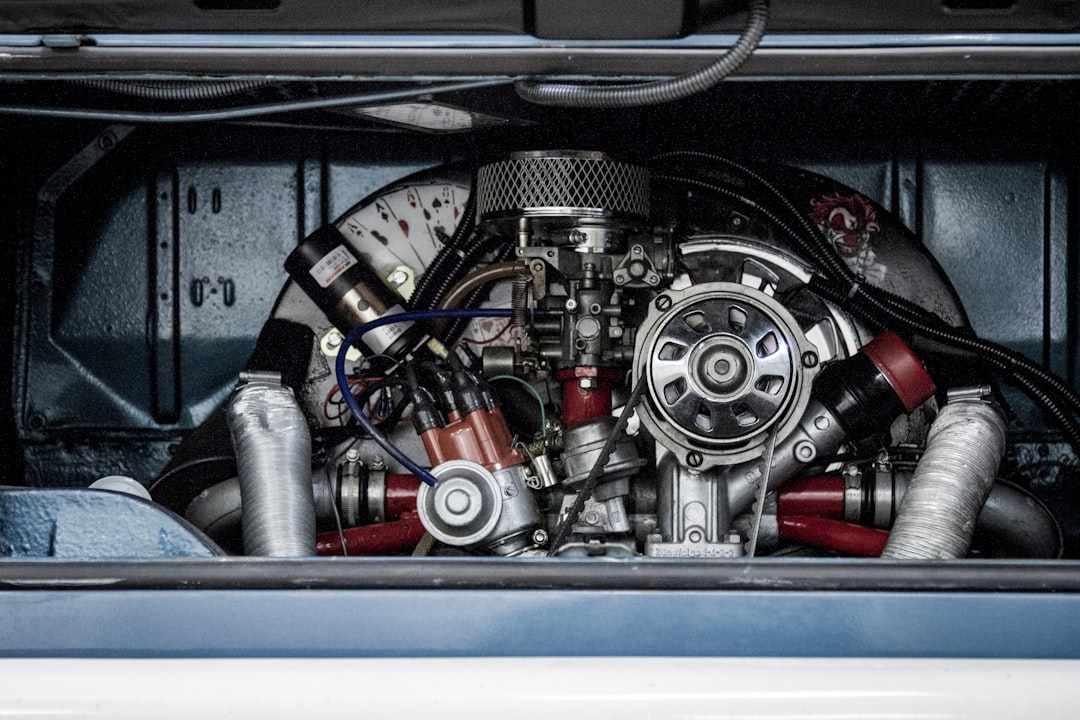
A Predator 212 turbo kit bolts a small turbocharger to Harbor Freight’s 212cc engine so it can cram more air and fuel into the cylinder than it could on its own. It can be done, and it does add power, but it is an advanced fabrication-and-tuning project, not a weekend bolt-on. A workable setup needs a turbo, a manifold, oil feed and return lines, boost control, a fuel strategy, and usually stronger internals. It also needs a clutch, chain, and brakes that can cope with the extra power. For most builders, a well-tuned naturally aspirated build gives more usable speed with far less risk. This guide explains what is in a kit, how it works, what it costs, and how to build one safely.
Part of our Predator 212 & Clone Engines guide — explore the full guide →
What Is a Predator 212 Turbo Kit?
A turbo kit is a bundle of parts that uses exhaust energy to drive a compressor. The compressor pushes pressurized air into the engine, so each intake stroke carries more oxygen. Add matching fuel and the engine burns a bigger charge and makes more power.
The Predator 212 was designed as a low-revving, naturally aspirated utility engine. Its rod, flywheel, head gasket, and valve train were never meant for boost. That is the core tension in every 212 turbo build: the hardware can push air, but the engine has to survive it.
Kits on the market range from a turbo and a handful of fittings to more complete packages with a manifold, intercooler piping, and oil lines. Quality and completeness vary enormously, and very few are true plug-and-play. If you need background on the engine itself first, start with our Predator 212 engine guide.
How Turbocharging Works on a Small Engine
Exhaust gas leaving the cylinder spins a turbine wheel. That turbine shares a shaft with a compressor wheel on the intake side, which draws in fresh air and pressurizes it. A wastegate bleeds off exhaust when boost reaches the target, so pressure does not keep climbing.
On a single-cylinder 212, exhaust flow comes in pulses and the total volume is small. That makes turbo sizing critical. A turbo that is too large barely spools and feels like it adds nothing until high rpm, then hits abruptly. A small unit spools sooner but runs out of flow sooner. Many builders repurpose very small automotive, motorcycle, or diesel turbos for this reason, and matching the turbo to the engine is a large part of the project.
Turbo lag is more noticeable on a 212 than on a car. Expect a softer bottom end and a surge as boost arrives. On a kart with a centrifugal clutch, that surge can make power delivery feel unpredictable until the setup is tuned.
Turbo vs supercharger
A supercharger is belt-driven from the crankshaft, so it delivers boost in proportion to engine speed with little lag. It costs some power to drive but is often easier to package and tune on a small engine. If you are weighing both, read our Predator 212 supercharger kit guide alongside the general go-kart turbo kit overview.
What a Predator 212 Turbo Kit Includes
A complete, functional setup needs more than the turbo itself. Check any kit against this list before you buy, because missing pieces become expensive custom work.
- Turbocharger: small-frame unit sized for low exhaust flow.
- Exhaust manifold or header: routes exhaust from the port to the turbine inlet. Often custom-welded.
- Wastegate or boost control: internal or external, to cap boost at a set level.
- Oil feed and return lines: the turbo’s shaft bearing needs pressurized or at least reliable oil, and a gravity drain back to the crankcase. The 212 is splash-lubricated, so this is one of the hardest problems to solve well.
- Intake and charge piping: connects the compressor to the carburetor or throttle body.
- Fuel system changes: a draw-through carb setup, a pressurized (blow-through) carb with a boost-referenced fuel supply, or electronic fuel injection.
- Gauges: at minimum a boost gauge; an air-fuel ratio gauge is strongly recommended.
Draw-Through vs Blow-Through vs EFI
The fuel strategy shapes the whole build. Here is how the three common approaches compare in general terms.
| Setup | How it works | Complexity | Tuning control | Typical builder |
|---|---|---|---|---|
| Draw-through carb | Turbo pulls air and fuel through the carb, then compresses the mixture | Lowest | Limited | First turbo project, low boost |
| Blow-through carb | Turbo pushes air into a sealed or boost-referenced carb | Moderate to high | Moderate | Experienced tuner |
| Electronic fuel injection | Injector and ECU meter fuel to measured airflow and boost | Highest | Best | Advanced builds chasing consistency |
| No turbo, Stage 2 build | Cam, springs, carb, header on a naturally aspirated engine | Low to moderate | Good | Most kart owners |
A draw-through setup is simplest because the carb sees normal atmospheric pressure, but fuel can puddle in the compressor and piping. Blow-through avoids that but requires the float bowl and fuel delivery to cope with boost pressure. EFI gives the best control and is the most expensive and technical route.
Realistic Expectations for Power
You will see bold horsepower claims online for boosted 212s. Treat them with caution. Results depend on the turbo, boost level, fuel, timing, internals, and how the number was measured, and very few hobby builds are measured on a proper dyno.
The honest summary: a conservative, low-boost turbo build on a healthy engine can feel noticeably stronger than stock, while aggressive builds can make considerably more but only with built internals, careful fueling, and a real tolerance for broken parts. A well-sorted naturally aspirated build often feels just as quick on a kart because it pulls cleanly from the clutch engagement point instead of waiting for boost.
If speed on a budget is the real goal, compare against our Predator 212 Stage 2 kit guide and the best Predator 212 upgrades roundup before committing.
Cost of a Predator 212 Turbo Kit Build
The kit price is only the start. Typical USD ranges for a complete, safe build look roughly like this:
- Turbo kit or parts bundle: about $250 to $600, depending on completeness.
- Fabrication, fittings, oil lines, gaskets: $100 to $300, more if you pay a welder.
- Fuel system changes: $50 to $150 for carb parts; several hundred dollars more for EFI.
- Gauges (boost, air-fuel ratio): $50 to $200.
- Internal strengthening (billet rod, billet flywheel, stronger valve springs, head gasket): $150 to $400.
- Drivetrain and brakes: $100 to $400 for a heavier-duty clutch or torque converter, chain, and brake upgrades.
All in, a sensible build commonly lands in the $700 to $1,500+ range. Cheap all-in-one kits that promise big gains for very little money usually leave out the oiling, fueling, and boost control that keep an engine alive.
Safety: Why High-Rev and Boosted 212s Need Built Internals
This is the section to read twice. Boost raises cylinder pressure and heat, and builders typically remove or bypass the governor at the same time, which lets the engine spin far beyond what the stock parts were designed for. See our Predator 212 governor removal guide for the trade-offs involved.
Flywheel: The stock flywheel is cast. At high rpm, a cast flywheel can burst, and the fragments can travel with enough energy to cause serious injury to the driver or bystanders. A billet flywheel rated for high-rpm use is widely regarded as mandatory for any governor-removed or boosted 212.
Connecting rod: The stock rod is the usual weak link. A failed rod can punch through the crankcase. A billet rod is the standard upgrade for high-rev or boosted builds.
Valve springs and head gasket: Stock springs can float at high rpm, and the stock gasket may not seal under boost. Uprated springs and a stronger gasket are common supporting parts.
Fueling and heat: A lean mixture under boost can melt a piston quickly. Use an air-fuel ratio gauge, start rich, and keep boost conservative while tuning.
Beyond the engine, use an engine-side guard, keep bystanders clear during testing, and wear proper riding gear. Make sure your go-kart brakes can stop the higher speeds you are building toward, and fit a kill switch you can reach instantly. Check part manufacturers’ ratings rather than trusting forum claims.
How to Choose and Plan a Turbo Setup
Be honest about why you want boost. If the goal is a quick, reliable kart, a turbo is usually the wrong tool. If the goal is the project itself, the fabrication, the problem-solving, the sound, then it can be very rewarding.
A sensible order of work:
- Start with a healthy engine. Check compression, valve lash, and oil condition first. Boost magnifies existing problems.
- Install the safety internals. Billet flywheel and billet rod before you chase rpm or boost.
- Solve oiling. Plan the turbo oil feed and gravity return before anything else bolts on. Poor drainage leads to smoking and seal failure.
- Pick a fuel strategy. Draw-through is the most forgiving first step.
- Set low boost. Use the wastegate to cap pressure conservatively, then raise it only in small steps while watching air-fuel ratio and engine temperature.
- Upgrade the drivetrain and brakes. Match clutch, chain, sprockets, and brakes to the power.
Maintenance on a Turbocharged 212
A boosted engine needs more attention than a stock one. Change oil frequently, since the turbo bearing depends on it and the 212’s oil capacity is small. Check oil lines and fittings for leaks before each session.
Inspect the manifold and turbo mounting for cracks; single-cylinder vibration is hard on welded joints. Watch for blue smoke, which often points to an oil drainage problem. Read the spark plug regularly to confirm the mixture, and let the engine idle briefly before shutdown so the turbo is not cooked by heat soak.
Pros and Cons
Turbocharging a 212 is exciting but demanding, so weigh it plainly.
Pros
- Highest peak-power potential of any 212 upgrade path
- A rewarding fabrication and tuning project
- Distinctive spool sound and character
- Builds deep forced-induction skills
Cons
- Complex, costly, and slow to get right
- High risk of engine damage without built internals
- Lag and abrupt delivery on a small single cylinder
- Forces clutch, chain, and brake upgrades too
- Oiling a splash-lubricated engine is difficult
Frequently Asked Questions
Can you turbocharge a Predator 212?
How much horsepower does a turbo Predator 212 make?
Is a turbo or a Stage 2 kit better for a 212?
Do I need a billet flywheel for a turbo 212?
Can the stock carburetor work with a turbo?
How much boost is safe on a Predator 212?
Final Thoughts
A Predator 212 turbo kit is the most extreme way to wake up a small engine, and for the right builder it is a memorable project. It also demands fabrication skill, patient tuning, a realistic budget, and safety parts that are not optional. If your real goal is a fast, dependable kart, build a solid naturally aspirated engine first. Treat the turbo as the advanced chapter you graduate into, and do it with a billet flywheel, a billet rod, and brakes that match the power.