
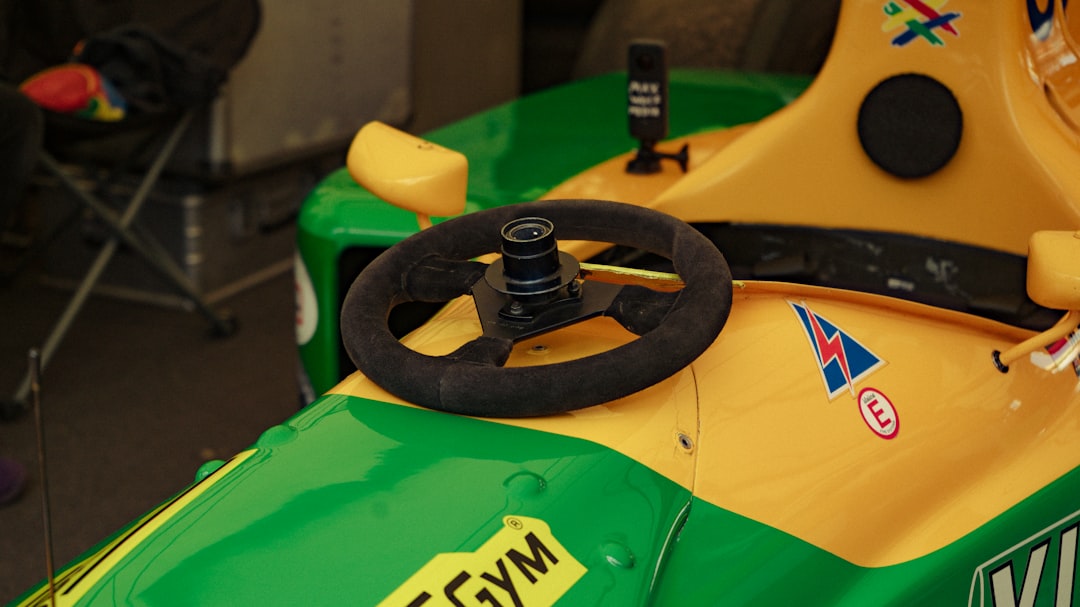
The go-kart steering wheel is the one part you touch every second you drive, and it shapes how the whole kart feels. A wheel that’s the wrong size, the wrong shape, or mounted at the wrong angle turns precise cornering into a wrestling match and leaves your arms aching after a few laps. Whether you’re building a kart from scratch or upgrading a tired factory wheel, choosing the right steering wheel is one of the highest-impact, lowest-cost improvements you can make. This guide covers what a go-kart steering wheel is, the types available, what they cost, and how to pick one that fits your kart and your hands.
What Is a Go-Kart Steering Wheel
A go-kart steering wheel is the driver’s direct interface with the steering system, mounted on a steering column that connects through tie rods to the front spindles. Unlike a car, a kart uses direct, unassisted steering with no power boost, so the wheel’s diameter and grip directly determine how much effort each corner takes.
Kart wheels are typically smaller than car wheels, ranging from about 280mm to 360mm in diameter, and often use a flattened or butterfly shape to clear the driver’s legs and improve visibility. The bolt pattern where it mounts to the hub, usually three or six bolts, has to match your steering boss. When you build a kart, the wheel is one of the finishing components covered in our how to build a go-kart guide.
Types of Go-Kart Steering Wheels
Steering wheels differ mainly in shape, material, and grip, and each style suits a different driving style and kart type. The right choice balances feel, comfort, and leg clearance.
Round wheels are the traditional all-purpose choice with even grip anywhere. Butterfly (D-shaped) wheels flatten the top and bottom for leg clearance and racing looks. Flat-bottom wheels clear the driver’s thighs on tight-fitting race karts. Quick-release wheels pop off the boss for easy entry and exit or theft deterrence.
Go-Kart Steering Wheel Types Compared
| Type | Grip Feel | Leg Clearance | Price Range | Best For |
|---|---|---|---|---|
| Round | Even, all-around | Standard | $15–$60 | Recreational, DIY builds |
| Butterfly / D-shape | Sporty, defined grip | Good | $25–$90 | Racing, tight cockpits |
| Flat-bottom | Sporty | Excellent | $30–$100 | Race karts, tall drivers |
| Quick-release | Varies by wheel | Varies | $40–$150 | Easy entry, security |
Cost and Key Considerations
A basic round go-kart steering wheel costs as little as $15, while a padded butterfly race wheel or a quick-release setup can run $90 to $150. For most builders, $25 to $60 buys a quality wheel with a comfortable grip and durable construction. Quick-release hubs add cost but are worth it if you climb in and out often.
The details that matter most are diameter, bolt pattern, and grip material. A larger diameter reduces steering effort but eats cockpit space; a smaller wheel sharpens response but demands more muscle. Confirm the bolt pattern matches your steering boss before buying, and choose a grip, foam, rubber, or leather, that suits your climate and glove choice. If you race, coordinate the wheel with the rest of your kit from our kart racing gear complete guide.
Don’t forget the mounting hardware in your budget. If your new wheel’s bolt pattern differs from your steering boss, you’ll need an adapter ($10–$30), and a quick-release hub is a separate purchase on top of the wheel itself. Some racers also add a steering wheel hub with a built-in spacer to bring the wheel closer to the driver, which changes the ergonomics for a tall or long-armed driver. These small parts are cheap individually but easy to overlook until the wheel arrives and won’t bolt straight on.
Material also affects longevity and maintenance. Foam-gripped wheels are comfortable but eventually compress and tear, especially in direct sun, while aluminum-and-rubber wheels shrug off years of use with almost no care. Leather looks and feels premium but needs occasional conditioning to avoid cracking. Choose the material that matches how often you drive and how much upkeep you’re willing to do.
How to Choose a Go-Kart Steering Wheel
Start with fit and clearance. Sit in the kart and check how much room you have between your thighs and the wheel. If it’s tight, a flat-bottom or butterfly wheel buys you clearance without shrinking the whole diameter. Then match diameter to your steering effort: heavier, wider-tracked karts benefit from a larger wheel, while nimble race karts favor a smaller one for quick response.
Confirm the mounting hardware. Most karts use a three-bolt or six-bolt pattern, and the wheel must match your boss or adapter. Finally, pick a grip that works with your gloves and climate, foam wheels absorb vibration and stay comfortable, while leather looks sharp but can get slick when wet. A wheel that fits your hands and your cockpit pays dividends every single lap.
Pros and Cons
Upgrading a steering wheel is cheap and high-impact, but each style comes with trade-offs worth knowing.
Pros
- Cheap, high-impact upgrade for feel and comfort
- Right diameter cuts steering effort and fatigue
- Butterfly and flat-bottom shapes add leg clearance
- Quick-release makes entry and exit easier
Cons
- Wrong bolt pattern means it will not fit
- Larger wheels eat cockpit space
- Leather grips get slick when wet
- Quick-release hubs add cost and complexity
Frequently Asked Questions
What size go-kart steering wheel should I get?
What bolt pattern do go-kart steering wheels use?
Are butterfly steering wheels better?
Can I upgrade my kart steering wheel?
What grip material is best for a kart wheel?
Do I need a quick-release steering wheel?
Final Thoughts
The go-kart steering wheel is a small part with an outsized effect on how your kart feels, and getting the size, shape, and grip right transforms every corner from a chore into a pleasure. Match the diameter to your steering effort, confirm the bolt pattern, and choose a grip suited to your gloves and weather. If you’re building from the ground up, work through our how to build a go-kart guide, source supporting hardware from the best go-kart kits and frames roundup, and coordinate your driving gear with the kart racing gear complete guide.