
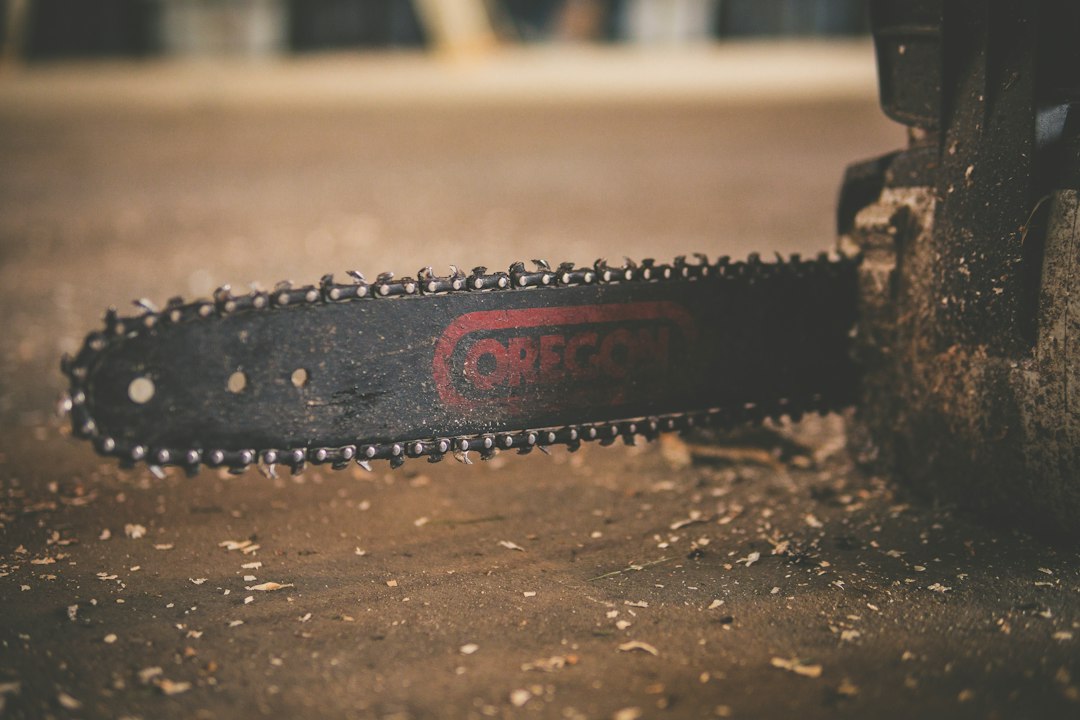
A chainsaw engine go kart is a classic garage experiment. An old saw has a small two-stroke engine, a built-in centrifugal clutch and a sprocket, so it looks like a ready-made kart power unit. In reality, chainsaw engines make little power, rev very high, vibrate hard and were never designed to sit in a chassis. They can work for a very light mini kart or a novelty build, but they are a poor fit for anything carrying an adult at real speed. This guide covers how the swap works, what to expect from the power, the drive and vibration problems, costs, safety, and better alternatives.
Part of our Go-Kart Engines & Drivetrain guide — explore the full guide →
What Is a Chainsaw Engine Go Kart?
It is a small kart, usually homemade, powered by the engine from a gas chainsaw. Builders remove the bar, chain and housing parts that are not needed, mount the powerhead to a frame, and connect the clutch output to the rear axle by chain or friction drive.
Chainsaw engines are air-cooled single-cylinder two-strokes, usually somewhere between about 30cc and 90cc depending on the saw. Consumer saws sit at the small end; professional saws are larger and stronger. They run on premixed fuel and oil, use a recoil starter and include a fan-cooled flywheel, a centrifugal clutch and a small carburetor designed to work in any orientation.
How Much Power Does a Chainsaw Engine Make?
Less than most people expect. A typical homeowner saw makes only a couple of horsepower, while larger professional saws make more. Check the manufacturer’s spec sheet for your model, since ratings vary widely. By comparison, a common utility kart engine such as the Predator 212 makes noticeably more power and far more low-speed torque; our Predator 212 engine guide covers that benchmark.
The power also arrives high in the rev range. Chainsaws are designed to run at very high rpm under load while cutting, and they produce little torque at low speed. A kart needs pulling power from a standstill, so a chainsaw engine needs a large gear reduction, and even then acceleration is modest. Heavier riders, grass, slopes and soft ground all make the shortfall obvious.
Who and What It Suits
Realistically, a chainsaw engine suits:
Very light mini karts on flat, hard surfaces, where the total weight with rider is low.
Novelty and show builds, where the fun is in the build and the sound rather than the performance.
Learning projects for builders who want to practice fabrication, chain drives and two-stroke tuning on a cheap engine they already own.
It does not suit adult recreational karts, off-road buggies, two-seaters or anything expected to climb hills. Young children should not drive one either: chainsaw engines have an exposed high-speed clutch, a hot muffler near where legs go, and controls not designed for a child. Purpose-built kids’ karts have guarding and speed limits designed in. For other compact power options, see our small go-kart engine guide.
The Drive Problem
The saw’s clutch drum carries a sprocket made for saw chain, which uses a different pitch and design from kart roller chain. You cannot simply run a kart chain on it. Builders typically use one of these approaches:
Adapter sprocket. A small roller-chain sprocket welded, pressed or machined onto the clutch drum, or a custom drum. This needs machining skill and must be dead true, or it wobbles at high rpm.
Jackshaft. A short shaft that takes drive from the engine and provides a second reduction to the axle. It helps reach the large overall ratio a high-revving engine needs.
Friction drive. A wheel on the clutch output presses against a rear tire. Simple, but it slips when wet and wears tires.
Whatever method you choose, the overall reduction will be large. Use a go-kart sprocket calculator to estimate ratio and top speed, then test and adjust. Running too tall a ratio makes the clutch slip continuously, which overheats and wears it quickly.
The Vibration Problem
Chainsaws vibrate heavily. Manufacturers fit anti-vibration mounts between the engine and the handles to protect the operator. When you strip the saw and bolt the engine rigidly to a kart frame, that vibration goes straight into the chassis.
Effects include fasteners working loose, cracked brackets, fatigue in thin engine plates, numb hands for the driver and a carburetor that may run inconsistently. Use a stiff, well-gusseted engine mount with rubber isolators, locking fasteners and regular checks. Keep the fuel tank and lines secure, since vibration can loosen fittings and cause leaks near a hot engine.
Other Practical Issues
Cooling. The flywheel fan cools the engine, so it generally works on a kart, but the shroud must remain intact and unblocked. Long full-throttle runs at low speed, such as climbing a slope, can overheat a small engine.
Throttle and kill switch. The saw’s trigger throttle must be converted to a cable with a pedal or thumb control and a strong return spring. Wire a reliable kill switch within the driver’s reach.
Starting. The recoil starter must be reachable, which affects where you mount the engine. Some builders start the kart from outside, then climb in.
Noise and exhaust. Chainsaw mufflers are small and loud, and they get very hot. Shield the muffler and route exhaust away from the driver.
Engine wear. These engines are designed for intermittent cutting, not long continuous runs. Expect more wear than a utility engine sees in similar use.
Chainsaw Engine vs Other Small Engines Compared
| Engine Type | Typical Power | Low-Speed Torque | Drive Setup | Best Use |
|---|---|---|---|---|
| Chainsaw two-stroke | Low | Poor | Custom adapter, large reduction | Novelty and very light mini karts |
| Bicycle engine kit | Low | Fair | Kit chain drive | Light DIY karts and bikes |
| Small utility four-stroke (79cc to 100cc class) | Low to moderate | Good | Standard kart clutch | Kids and mini karts |
| Utility engine (212cc type) | Moderate | Good | Kart clutch or converter | Most recreational karts |
Bicycle engine kits are a closer alternative for very light builds; see our bike engine go-kart guide for how those conversions compare.
Cost of a Chainsaw Engine Go Kart
If you already own a non-working saw with a good engine, the engine cost is effectively zero. A used saw bought for the project might cost anywhere from a few tens of dollars to a couple of hundred, depending on size and condition. The real costs are the frame, axle, bearings, wheels, brake, steering, chain, sprockets, throttle parts and any machining for the adapter sprocket.
Once those are added, a chainsaw kart often costs nearly as much as a kart built around an inexpensive utility engine, but with a fraction of the performance and a lot more fabrication. That is the main reason most builders treat it as a fun experiment rather than a practical choice.
Safety Checklist
Guard the clutch and chain completely. Fit a working brake, even though the kart is slow. Make sure the throttle snaps shut when released and the kill switch works every time. Shield the muffler. Check engine mount fasteners before every run. Drive only on private, flat ground away from traffic, and wear a helmet and closed shoes. Never let young children operate a homemade chainsaw-powered kart. The same principles apply to any engine swap, from tiny saw engines up to a jet ski engine go-kart.
Pros and Cons
Pros
- Uses an old saw engine you may already own
- Built-in centrifugal clutch
- Light and compact
- Fun fabrication and learning project
- Air-cooled with a self-contained fuel system
Cons
- Very low power and weak low-speed torque
- Saw chain sprocket needs custom adapting for kart chain
- Heavy vibration loosens parts and tires the driver
- Designed for intermittent use, so wears faster on a kart
- Unsuitable for adults at speed, hills or young children
Frequently Asked Questions
Can a chainsaw engine power a go kart?
How fast is a chainsaw engine go kart?
Can I use the chainsaw clutch on a kart?
Is a chainsaw engine better than a Predator 212?
Is a chainsaw engine kart safe for kids?
How do I reduce vibration on a chainsaw kart?
Final Thoughts
A chainsaw engine go-kart is a fun experiment, but its low power, heavy vibration and custom drive work make it best suited to mini and novelty builds. If you want a kart you will actually use regularly, start with a proper kart engine and our how to build a go-kart guide.