
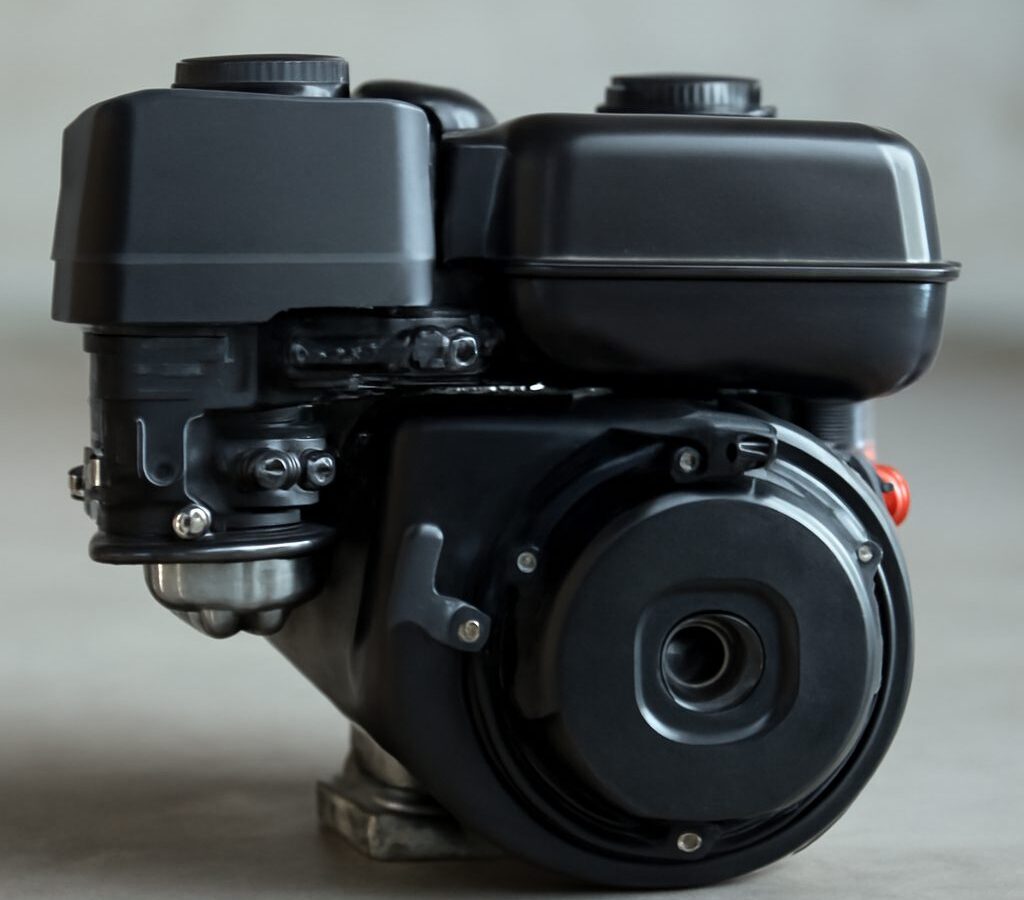
The Predator 212 engine is the default power plant for home-built go-karts and mini-bikes. It is Harbor Freight’s 212cc single-cylinder, air-cooled OHV four-stroke, closely modeled on the Honda GX200, and it shares that layout with a whole family of clone engines from other brands. That shared pattern is why clutches, torque converters, carburetors and performance parts fit so widely. This hub is for builders who already have a 212 or a clone, or are about to buy one. It covers the Hemi, Non-Hemi and Ghost versions, the right clutch or torque converter, governor removal, staged upgrades, forced induction and day-to-day care, with a detailed guide for each.
Top picks
These are the leading Predator 212 upgrade and drive parts from our roundups; always confirm Hemi or Non-Hemi fitment on the listing before ordering.
| Product | Best for | Key features | Price | Buy |
|---|---|---|---|---|
| Youxmoto 30 Series Torque Converter | Best overall |
| $56.99as of Oct 26, 2026 5:28 am EDT | Buy now →Check current price |
| ILONPA 10T Centrifugal Clutch | Best centrifugal clutch |
| $25.99as of Oct 26, 2026 5:28 am EDT | Buy now →Check current price |
| CILOYU Stage 1 Kit | Best overall Stage 1 kit |
| $40.49as of Oct 26, 2026 5:51 am EDT | Buy now →Check current price |
| YOXUFA 212 Exhaust Header | Best exhaust header |
| $15.99as of Oct 26, 2026 5:51 am EDT | Buy now →Check current price |
| WnSEu Billet Flywheel | Best billet flywheel, non-hemi |
| $109.99as of Oct 26, 2026 5:51 am EDT | Buy now →Check current price |


Prices are Amazon’s listed prices as of the date and time shown and are subject to change; the price on Amazon at the time of purchase applies. As an Amazon Associate we earn from qualifying purchases.
For the full comparisons, the best Predator 212 clutch and torque converter roundup is for anyone fitting a drive to a new engine or replacing a slipping clutch. The best Predator 212 upgrades roundup is for owners planning a Stage 1 or Stage 2 build who want the parts that matter most, in the right order.
What the Predator 212 and Clone Engines Are
The 212 is a horizontal-shaft utility engine designed for pressure washers, generators and similar equipment. It found a second life in karting because it is inexpensive, starts easily and tolerates neglect better than most small engines. Harbor Freight lists the power rating on its own product page, and most sources put a stock engine at roughly 6 to 7 hp. Check the current listing or manual for your exact model.
Our Predator go-kart engine guide covers the whole Predator line, including the smaller and larger models, and explains why the 212 became the one builders standardize on. If you see the word “clone” in forums or parts listings, it refers to any GX200-pattern engine. The clone go-kart engine guide explains what that term covers, how clones differ from brand to brand, and what to check before assuming a part will fit.
Most of what makes the 212 easy to work with comes from that shared pattern: a 3/4-inch keyed output shaft, a common mounting footprint, and an OHV head that responds well to simple bolt-on parts. The differences between versions are where builders get caught out, so identify your engine before you order anything.
This hub stays focused on the 212 and its clones. If you are still deciding between engine sizes, two-strokes, V-twins or motorcycle engines, start with the broader go-kart engine and drivetrain hub instead.
Hemi, Non-Hemi and Ghost
The 212 has been sold in two main versions. The older Hemi has a domed combustion chamber, and the later Non-Hemi uses a different head and several different internal parts. Both work well in a kart, but many performance parts are version-specific. Flywheels, connecting rods, cylinder heads and some gaskets often fit only one version, so a part listing that does not say which it suits is a warning sign.
Our Predator 212 Hemi vs Non-Hemi guide shows how to tell them apart and which one makes more sense if you are buying used. In short: Hemi engines have a long history in racing and a deep parts catalog, while Non-Hemi engines are what you will usually find new.
Harbor Freight also sells the Predator 212 Ghost, a version built for karting rather than equipment duty. It ships ready for higher-rpm use without the governor work a standard 212 needs. Whether that is worth the extra cost depends on how far you planned to modify a standard engine anyway, and on whether your local class or track accepts it. Check with the series or track before you buy for racing.
Clutch or Torque Converter for a 212
A 212 needs a clutch or a torque converter so it can idle while the kart is stopped. Both fit the 3/4-inch shaft, and the choice comes down to kart weight, terrain and how much power you plan to add.
A centrifugal clutch is the low-cost, lightweight option. It works well on lighter karts on flat ground with a stock or mildly upgraded engine. The Predator 212 clutch guide covers engagement speed, sprocket sizes and chain pitch, and the go-kart clutch for Predator 212 guide goes deeper into matching the clutch to your build and fixing slipping or overheating.
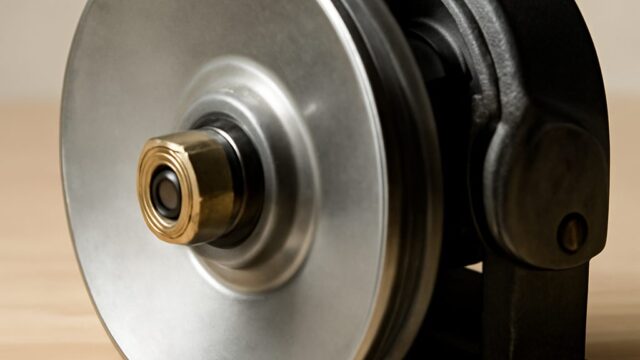
A torque converter adds a belt-driven variable ratio between the engine and the chain. It pulls harder from a stop, climbs hills better and copes with heavier riders. The Predator 212 torque converter guide covers 30 series units, belt choice and the clearance you need on the frame. As a rule of thumb, once you add real power or regularly carry an adult up slopes, the torque converter is worth the extra cost.
Whichever you choose, keep a guard over the chain and belt, and make sure your chain size matches the clutch sprocket and the axle sprocket. Gearing, chains and axles for every engine size are covered in the engines hub.
Governor Removal and Rev Limits
From the factory, a standard 212 uses a mechanical governor to hold engine speed down. That protects the engine in its original job, and it also caps the kart’s top speed. Removing or bypassing the governor is usually the first modification builders make.
It is also the one that carries the most risk. The stock cast flywheel and connecting rod are not designed for sustained high rpm, and a flywheel failure can throw pieces with real force. Our Predator 212 governor removal guide explains the process, the parts most builders replace at the same time, such as a billet flywheel, billet rod and stronger valve springs, and why throttle control matters more once the governor is gone.
If the kart is for a young driver, or you do not plan to upgrade the rotating parts, leaving the governor in place is a reasonable choice. A stock 212 with sensible gearing is still plenty of fun.
Stage 1 and Stage 2 Upgrades
Builders usually talk about upgrades in stages. The exact contents vary between vendors, but the pattern is consistent: Stage 1 improves breathing, and Stage 2 changes the internals so the engine can use that airflow at higher rpm.
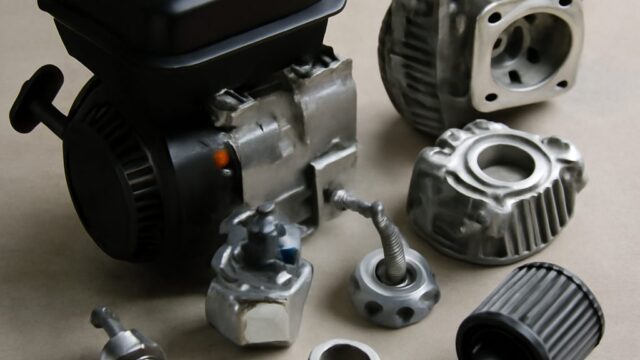
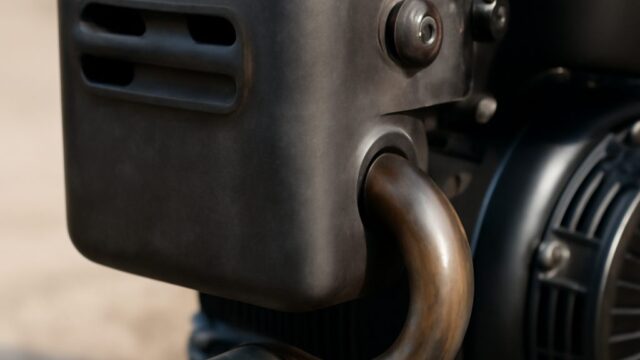
Stage 1 typically means a freer-flowing air filter, a performance exhaust and a re-jetted or replacement carburetor. The Predator 212 carburetor guide covers jetting, common carb swaps and how to tell a lean condition from a rich one. The Predator 212 exhaust guide compares header styles, mufflers and the noise trade-off. If you only need a stock replacement carb, the best go-kart carburetor roundup lists 196cc and 212cc options.
Stage 2 adds a performance camshaft, stronger valve springs and, on most builds, a billet flywheel and connecting rod. The Predator 212 Stage 2 kit guide explains what a typical kit includes, what it leaves out, and how to sequence the work. Expect to spend more time on tuning and maintenance once you reach this stage.
Upgrade the rest of the kart along with the engine. More power needs a stronger clutch or a torque converter, a fresh chain, good brakes and gearing your driver can control. Bolting a Stage 2 engine onto a chassis built for a stock one is how parts break and drivers get hurt.
Turbo and Supercharger Kits
Forced induction on a 212 is possible, and it draws a lot of attention online. It is also the least practical way to make power from this engine. The carburetor, intake and crankcase were never designed for boost, and heat, detonation and rotating-part stress all rise sharply.
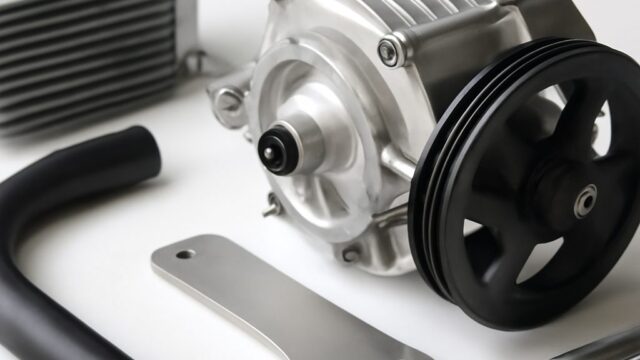
The Predator 212 turbo kit guide explains how blow-through and draw-through setups work and what supporting parts a turbo build needs. The Predator 212 supercharger kit guide covers belt-driven alternatives and their packaging challenges. Both are best treated as projects for experienced builders who have already completed a reliable Stage 2 engine.
Starting, Ignition and Everyday Care
A healthy 212 is one of the easiest engines to keep running. Change the oil often, especially when the engine is new, keep the air filter clean, and use fresh fuel. Store the kart with the fuel valve off and the carburetor drained if it will sit for weeks.
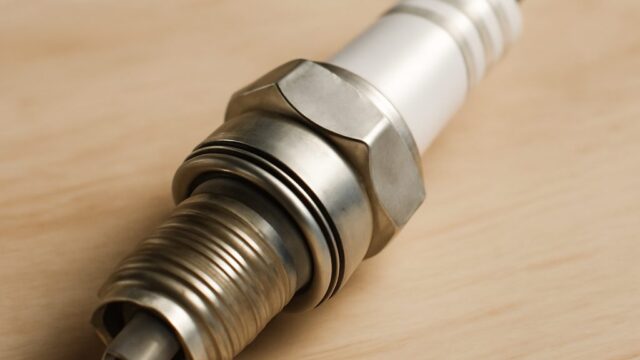
The spark plug is the cheapest diagnostic tool you have. Its color tells you a lot about jetting, and a fouled plug is a common cause of hard starting. The Predator 212 spark plug guide covers the correct plug, gap and reading plug color after a tune.
If pull starting is a struggle for a young or smaller driver, a Predator 212 electric start kit adds a starter motor and battery. Fitment differs between Hemi and Non-Hemi engines and between flywheel types, so confirm compatibility first. For routine care that applies to every kart, see the go-kart maintenance hub.
What a 212 Powers
The 212 shows up in single-seat yard karts, budget racing builds, mini-bikes and many ready-built recreational karts. A 212cc 2-seat gas go-kart is a popular family option, though two people on board add a lot of weight, which makes a torque converter and careful gearing more important.
If you are building from scratch, our how to build a go-kart guide walks through the frame, steering, brakes and drivetrain in order, so the engine goes onto a kart that can handle it.
Explore every Predator 212 guide
Choosing your 212



Clutches and torque converters


Power upgrades




Starting and care

Frequently Asked Questions
Is the Predator 212 a good go-kart engine?
How do I tell a Hemi from a Non-Hemi 212?
Should I use a clutch or a torque converter on a 212?
Is it safe to remove the governor on a Predator 212?
What does a Stage 1 kit do?
Do clone engine parts fit the Predator 212?
Final Thoughts
Identify your engine version first, fit the right clutch or torque converter, then add power in stages only as far as the rest of the kart can follow. When you are ready to upgrade, start with the best Predator 212 upgrades roundup.