

A drift kart frame is a go-kart chassis designed to break rear traction and hold a controlled slide, rather than to maximize grip. That changes the priorities: a very low seat to drop the center of gravity, a solid rear axle so both rear wheels turn together, plenty of steering lock to catch the slide, and rear wheels that give up grip predictably, either hard caster-style wheels or slick sleeves over regular tires. You can buy a complete drift kart, buy a bare frame or kit, convert an existing yard kart, or weld your own. This guide covers the geometry, rear-wheel options, materials, costs, and build tips that make a frame actually drift.
Part of our Drift Karts & Drift Trikes guide — explore the full guide →
What Makes a Drift Kart Frame Different
A standard kart frame is designed to keep the tires stuck to the ground. A drift frame is designed to let the rear end step out smoothly and stay controllable once it does. Three design targets separate the two.
Low center of gravity. Drift karts typically seat the driver very close to the ground. Sliding loads the outside rear wheel hard, and the lower the mass sits, the less the kart wants to lift a wheel or tip.
A stable rear end. The rear track is usually generous relative to the wheelbase, so the kart rotates smoothly around its rear axle instead of snapping into a spin.
Deliberately low rear grip. The whole frame is designed around slick rear wheels from the start. Axle height, sleeve clearance, and weight distribution all assume the rear will slide. The front wheels stay grippy so you can steer into and out of the drift.
Front geometry matters too. Generous steering lock and some caster help you catch the slide rather than spin. If your hardware is fine and the technique is what is missing, start with our guide on how to drift a go-kart.
Types of Drift Kart Frames
Purpose-built drift kart frames. Designed from scratch for sliding, often with a low tub-style seat, a short wheelbase, and slick rear wheels. Most commercial drift karts use this approach. For the bigger picture on the machines themselves, see our drift kart guide.
Converted yard kart frames. A standard recreational kart with a live rear axle, fitted with slick rear sleeves and sometimes a lowered seat. It will not match purpose-built geometry, but it is the fastest and cheapest way to start sliding.
Caster-wheel drift frames. Small frames using free-swiveling or hard caster rear wheels. These slide instantly on smooth surfaces and are common on kids and electric drift karts. Our guide to the electric drift go-kart covers this style in detail.
Drift trike frames. Three-wheeled frames with a bicycle-style front end and sleeved rear wheels. They share many principles with drift karts but have their own geometry; see our drift trike frame guide if you are weighing a trike instead.
The Best Drift Karts: our top 3 picks
| Product | Best for | Key features | Price | Buy |
|---|---|---|---|---|
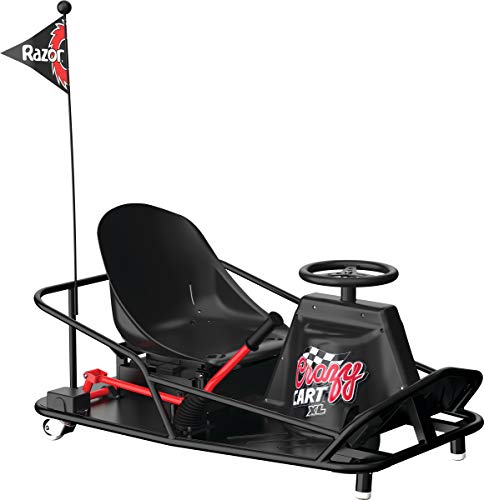
| Razor Crazy Cart XL | Best overall drift kart for adults |
| $999.00as of Oct 26, 2026 4:05 am EDT | Buy now →Check current price |
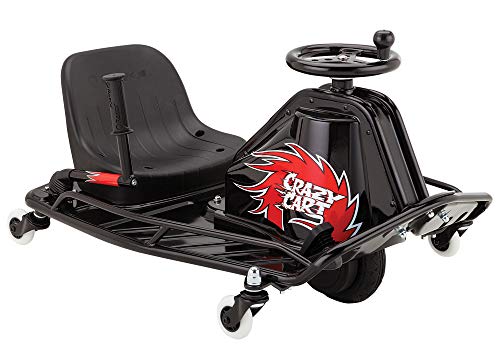
| Razor Crazy Cart DLX | Best for kids 9 and up |
| $593.39as of Oct 26, 2026 5:38 am EDT | Buy now →Check current price |
| First Ride On McLaren 48V | Best drift kart for teens |
| $1,399.99as of Oct 26, 2026 5:38 am EDT | Buy now →Check current price |

Prices are Amazon’s listed prices as of the date and time shown and are subject to change; the price on Amazon at the time of purchase applies. As an Amazon Associate we earn from qualifying purchases.
Rear Wheel Options: Hard Wheels vs Sleeves
The rear-wheel choice shapes the whole frame, so settle it before you cut any steel.
Hard caster-style or solid wheels. Solid polyurethane or hard plastic wheels slide easily and consistently on smooth concrete or asphalt. They suit parking lots and smooth indoor surfaces but wear quickly on rough ground and transmit vibration straight into the frame.
PVC sleeves over pneumatic tires. A section of thick-walled PVC pipe fitted over a standard rear tire creates a slick, inexpensive, replaceable drift surface. Sleeves keep some cushioning from the tire underneath. They do add diameter, so the frame needs extra clearance around the chain, brake, and any bodywork.
Purpose-made drift tires and sleeves. Commercial drift karts often ship with molded hard-compound rear tires or branded sleeve systems. They are consistent but usually cost more to replace than homemade sleeves. Our guide to go-kart drift tires compares the options.
Whichever you choose, keep the front tires grippy. A drift kart with slick front wheels simply pushes straight on.
Drift Kart Frame Options Compared
| Route | Typical cost | Skill needed | Rear setup | Best for |
|---|---|---|---|---|
| Weld from scratch | About $100–$300 in steel | Welding and fabrication | Your choice, with built-in clearance | Custom fit, gas or electric |
| Convert a yard kart | About $50–$200 in parts | Basic tools | Sleeves on existing tires | Fastest start with a donor kart |
| Bare frame or kit | About $200–$600 | Assembly | Kit wheels or sleeves | No welder, still custom |
| Complete drift kart | About $250–$1,500+ | None | Hard compound wheels | Plug-and-play fun |
Costs vary with local steel prices and how much you already own. If the last row appeals, our roundup of the best drift karts compares ready-made options.
Materials and Costs for a Drift Kart Frame
Most home-built drift frames use mild steel tube. Square tube around 1 inch is a common choice because it is cheap, easy to cut and weld, and simple to jig flat. Round tube works well too, especially for curved sections. Chromoly saves weight but costs considerably more and requires more welding care, so it is rarely worth it for a recreational drift frame.
Beyond the steel, budget for:
- A live rear axle with bearings and hangers
- Spindles, tie rods, and a steering column
- A low seat, often a plastic bucket or tub
- A rear brake
- Rear sleeves or hard wheels, plus grippy front wheels
- A small gas engine or electric motor kit
Drifting does not demand much power. Small clone-class engines and modest electric setups can break slick rear wheels loose easily, because losing traction is the goal. More power mainly adds speed between slides, which increases the consequences of a mistake. The general fabrication sequence follows any kart build; our guide on how to build a go-kart covers jigging, welding order, and alignment.
How to Build a Drift Kart Frame That Actually Drifts
Get the weight bias right. Most drift builds carry more weight over the rear axle than the front. Too little rear weight and the kart tends to spin; too much and it resists rotating at all. Mount the seat low and slightly ahead of the axle, and design the seat mounts so you can move it to tune balance.
Use a live rear axle. A solid axle that drives both rear wheels together is what lets throttle input rotate the kart. It works much like a locked differential on a drift car.
Plan for sleeve clearance. Sleeves add to tire diameter, so set chain runs, brake discs, and bodywork with extra room.
Keep the wheelbase short-ish. A shorter wheelbase rotates more eagerly; a longer one is calmer and easier to hold. Follow proven plans or a kit’s geometry if you are unsure.
Reinforce the rear bearing mounts. Sliding side-loads the axle bearings far harder than grip driving does. Brace the bearing hangers and check them often.
Brake the rear only. Most drift karts use a rear brake. A front brake applied mid-slide shifts weight forward and can snap the kart into a spin.
Safety and Maintenance
Drift karts run close to the ground at modest speeds, but sliding still creates real risks. Wear a helmet, gloves, and closed shoes, and drive only on smooth, open private pavement away from traffic and obstacles. Low karts are hard for drivers of other vehicles to see.
Keep speeds sensible for the space you have. A drift kart can rotate quickly and unpredictably if a sleeve catches a rough patch, so leave generous run-off around your driving area. If kids will ride, choose a kart sized for them with a speed limiter, and supervise every session.
Check the frame regularly for cracks at the rear bearing hangers, steering supports, and seat mounts, since slides load these areas repeatedly. Replace sleeves before they wear through to the tire, keep the chain properly tensioned, and confirm the brake works before each session.
Pros and Cons of Building Your Own Drift Frame
Scratch-building gives you the most control, at the cost of time and skill.
Pros
- Custom fit for your height, weight, and power choice
- Often cheaper than a commercial adult drift kart
- Sleeve clearance and low seat designed in from the start
- Easy to repair and tune since you know every joint
Cons
- Requires welding skill and many hours of shop time
- Geometry mistakes often show only after welding
- No safety certification or warranty
- Small commercial drifters can be cheaper than a scratch build
Frequently Asked Questions
What is the best material for a drift kart frame?
How low should a drift kart seat be?
Do PVC sleeves work as drift tires?
Can I convert a regular go-kart into a drift kart?
How much power does a drift kart need?
Should a drift kart have front brakes?
Final Thoughts
A good drift frame is a controlled compromise: low enough to stay planted, stable enough at the rear to slide smoothly, and designed from the beginning around slick rear wheels. If you weld, a scratch frame can fit you exactly; if not, converting a donor kart or buying a kit or complete drift kart gets you sliding sooner. Nail the seat height, the live axle, and the rear weight bias, and the rest becomes tuning.