
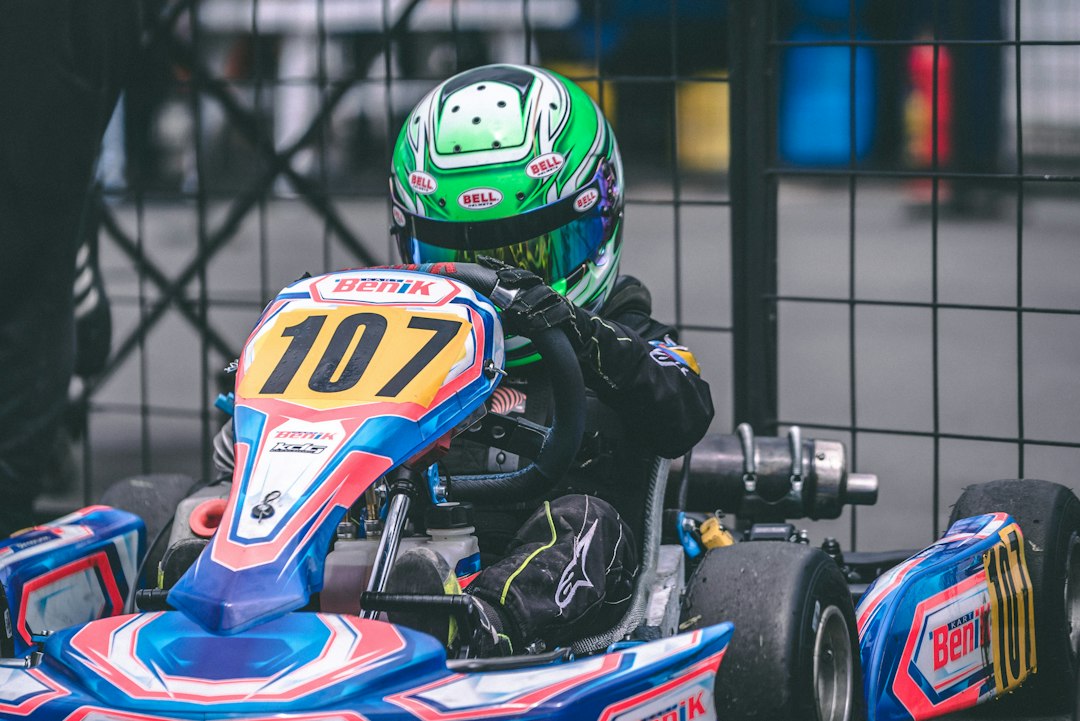
A drum brake for go kart builds is a compact, enclosed brake that stops the kart by pressing shoes outward against the inside of a spinning drum. It is common on budget yard karts, minibikes, and older recreational karts, and many DIY builders still choose one because it is cheap, simple, and well protected from dirt. It is not as powerful or as easy to modulate as a hydraulic disc, though, so it suits some karts better than others. This guide explains how a kart drum brake works, the common types and sizes, how to choose and install one, adjustment and maintenance, typical costs, and when to upgrade.
Part of our Go-Kart Parts guide — explore the full guide →
How a Drum Brake for Go Kart Use Works
The drum is a round steel or cast housing that mounts to the rear axle or a wheel hub and spins with it. Inside the drum, a stationary backing plate holds two curved brake shoes lined with friction material. When you press the brake pedal, a cable pulls a lever on the backing plate, which turns a cam. The cam pushes the shoes outward against the inner surface of the drum, and friction slows the axle. Return springs pull the shoes back when you release the pedal.
The backing plate must be anchored to the frame so it cannot rotate with the drum. This anchor takes the braking torque, so it needs to be strong and secure. For an overview of how drum brakes compare with other kart brake designs, see our main go-kart brakes guide.
Types of Go-Kart Drum Brakes
Axle-mount drum brakes. The drum is keyed to the rear axle, usually with a keyway and set screws. This is the most common layout on DIY and yard karts with a solid rear axle.
Wheel hub drum brakes. The drum is built into the wheel hub, as on many minibikes and some small karts. These are usually specific to the wheel or hub design.
Band brakes. Often confused with drum brakes, a band brake uses a flexible lined band wrapped around the outside of a drum. It is simpler and cheaper, but generally weaker and more prone to grabbing or fading. Many budget karts use band brakes.
Front drum brakes. Some heavier karts and buggies add small drum brakes on the front wheels for extra stopping power. These need their own cables or a balance setup.
Best Go Kart Brake Kit: our top 3 picks
| Product | Best for | Key features | Price | Buy |
|---|---|---|---|---|
| VEVOR Hydraulic Brake Kit | Best overall hydraulic kit |
| $114.90as of Oct 26, 2026 5:07 am EDT | Buy now →Check current price |
| GREHUA Mechanical Disc Kit | Best mechanical disc kit |
| $36.99as of Oct 26, 2026 5:07 am EDT | Buy now →Check current price |
| KOONDHEEND KT196 Kit | Best for Coleman KT196 |
| $47.99as of Oct 26, 2026 5:07 am EDT | Buy now →Check current price |


Prices are Amazon’s listed prices as of the date and time shown and are subject to change; the price on Amazon at the time of purchase applies. As an Amazon Associate we earn from qualifying purchases.
Drum Brakes Compared with Other Kart Brakes
| Brake Type | Stopping Power | Modulation | Typical Cost | Best For |
|---|---|---|---|---|
| Band brake | Low | Poor | About $15 to $40 | Very light, slow yard karts |
| Drum brake | Moderate | Fair | About $30 to $100 | Yard and off-road karts, minibikes |
| Mechanical disc brake | Moderate to good | Good | About $40 to $120 | DIY karts on pavement |
| Hydraulic disc brake | Good to excellent | Excellent | About $80 to $300+ | Fast, heavy, or racing karts |
Prices are typical ranges for complete kits including drum or disc, caliper or shoes, and basic hardware. Quality and fitment vary, so check details carefully.
Sizes and Fitment
Axle bore. The drum hub must match your axle diameter. Common sizes for DIY karts include 3/4 inch and 1 inch, but always measure your axle.
Keyway. The drum hub keyway must match the axle keyway width, and you need the correct size key.
Drum diameter. Larger drums give more braking leverage and spread heat better, but need more clearance. Make sure the drum clears the frame, engine, and ground.
Anchor arm. The backing plate has an anchor arm or tab that must be fixed to the frame. Plan where this mount will go before you buy, especially on a crowded axle with a sprocket and bearings.
If you are planning an axle layout, our go-kart axle guide shows how drums, sprockets, bearings, and hubs share space on the axle.
How to Install a Drum Brake
Slide the drum onto the axle with the key in place and position it so the backing plate anchor lines up with a suitable frame mounting point. Tighten the set screws after confirming alignment. Fit the backing plate, connect the anchor arm to the frame with a strong bracket and bolt, and make sure it cannot rotate.
Route the brake cable from the pedal to the backing plate lever with smooth curves and no sharp bends. Secure the cable housing at both ends so it cannot move. Adjust the cable so the brake begins to engage early in the pedal travel and the pedal cannot reach the floor before full braking.
Test at walking pace first, then gradually increase speed. A new drum brake often needs a short bedding-in period before it reaches full strength. Use thread locker on critical fasteners and follow any torque values in the kit instructions.
Adjustment and Maintenance
Drum brake shoes wear gradually, which increases pedal travel. Adjust the cable at its adjuster or clamp to take up slack. If you run out of adjustment, the shoes need replacing.
Inspect shoes periodically by removing the drum. Replace them if the lining is worn thin, contaminated with oil, or cracked. Clean brake dust from inside the drum with a brake cleaner and avoid breathing the dust. Check the drum surface for deep grooves or scoring, and replace a drum that is badly worn or cracked.
Keep chain lube and oil away from the brake. Oil on shoes dramatically reduces stopping power and usually means replacing the shoes. Lubricate the cable and pivot points lightly with an appropriate lubricant, never the friction surfaces.
Troubleshooting Common Issues
Weak braking. Usually caused by worn or contaminated shoes, poor cable adjustment, or a stretched cable.
Brake drags. The cable may be too tight, return springs weak, or the lever sticking. Check that the drum spins freely with the pedal released.
Grabbing or chattering. Often a sign of an out-of-round drum, loose backing plate, or contaminated linings.
Brake fades on long runs. Drum brakes trap heat. On fast or heavy karts, a disc brake may be a better choice.
When to Upgrade from a Drum Brake
A drum brake is a sensible choice for light yard karts, minibikes, and off-road karts running at modest speeds. It is less suitable for faster karts, heavier two-seaters, or karts running repeated hard stops on pavement. If your kart has gained a bigger engine, carries passengers, or frequently feels short of braking, consider a disc brake upgrade. Our go-kart hydraulic brake kit guide explains what that conversion involves, and our go-kart brake kit guide compares mechanical and hydraulic options.
Safety Notes
Brakes are the most important safety system on a kart. Check brake function before every ride. Never ride a kart with a frayed or kinked cable, a loose anchor arm, or a brake that does not stop the kart firmly. Replace worn shoes promptly and keep the brake clean and dry.
Pros and Cons
A drum brake is simple and inexpensive, with some performance limits.
Pros
- Inexpensive and widely available
- Enclosed design resists dirt and debris
- Simple cable operation is easy to maintain
- Stronger and smoother than a band brake
Cons
- Less stopping power than hydraulic discs
- Traps heat and can fade on long runs
- Oil contamination ruins the shoes
- Needs regular cable adjustment
Frequently Asked Questions
Is a drum brake good for a go-kart?
What is the difference between a band brake and a drum brake?
How do I tighten a go-kart drum brake?
Why is my drum brake not stopping the kart?
Can I put a drum brake on any axle?
Should I upgrade to a disc brake?
Final Thoughts
A drum brake for go kart builds remains a practical, low-cost option for light and moderate-speed karts. Match it to your axle, anchor it securely, keep it clean and adjusted, and upgrade to a disc brake if your kart outgrows it. For a broader view of brake layouts, see our guide to the go-kart brake system.