
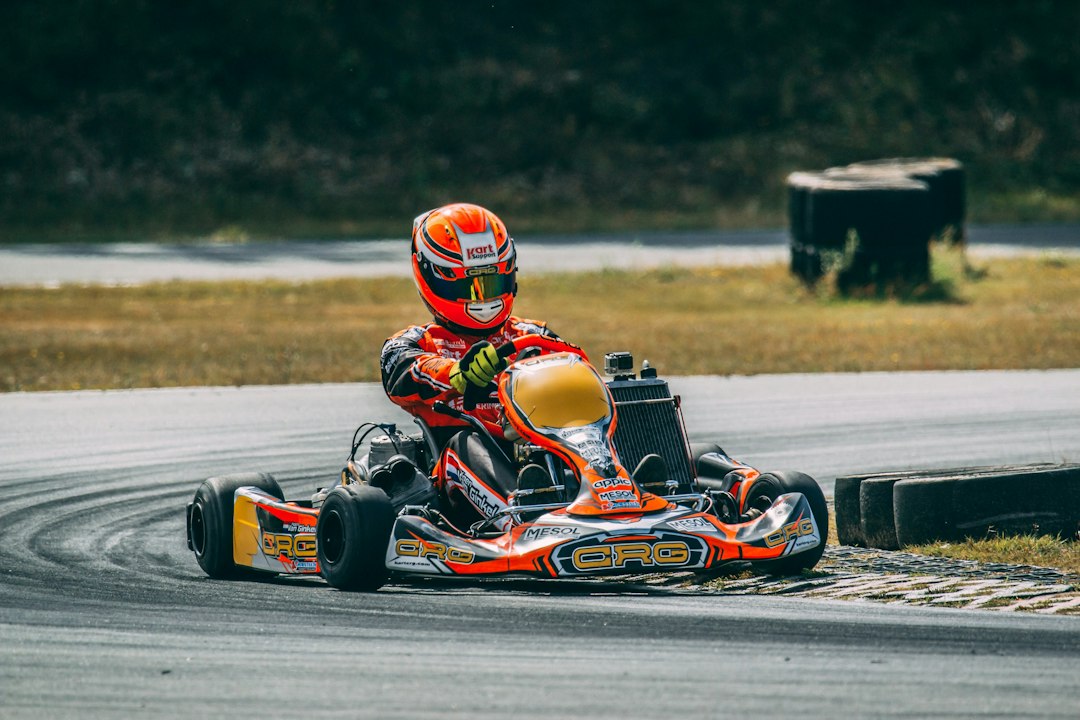
A go kart wet clutch is a clutch that runs inside the engine case, bathed in oil, rather than exposed on the end of the crankshaft. You will find one on shifter karts, motorcycle-engined builds and karts powered by pit bike engines, while most yard karts and many sprint karts use a dry centrifugal clutch instead. The oil cools the plates and smooths engagement, which is why wet clutches cope well with heavy use and repeated launches. This guide explains how a wet clutch works, where it appears, how it compares with dry designs, what maintenance it needs and how to tell when it is worn.
Part of our Go-Kart Engines & Drivetrain guide — explore the full guide →
What Is a Go Kart Wet Clutch?
A clutch connects and disconnects the engine from the drivetrain. In a wet clutch, a stack of friction plates and steel plates sits inside a sealed housing that shares oil with the transmission, and sometimes with the engine. Springs clamp the plates together to transmit power; pulling the clutch lever, or letting engine speed drop on an automatic design, releases that pressure so the plates can slip.
The oil does three jobs. It carries heat away from the friction surfaces, it lubricates the clutch basket and hub, and it cushions engagement so the take-up is progressive rather than grabby. The trade-off is a little drag, because the plates are always moving through oil, and the need to use the correct oil.
For a general overview of every clutch type used in karting, including the dry centrifugal clutches found on most utility engines, see our main go-kart clutch guide.
Types of Wet Clutch Found on Karts
Manual multi-plate wet clutch. This is the motorcycle-style clutch used on shifter kart engines and on motorcycle engines swapped into karts. The driver operates it with a hand lever, often mounted on the steering wheel, or a foot pedal on some builds. On many shifter karts the clutch is used mainly to pull away from a stop and is rarely touched once moving.
Automatic centrifugal wet clutch. Many small horizontal pit bike engines, often sold in 110cc to 140cc sizes, use a centrifugal wet clutch on the crankshaft, sometimes combined with a manual clutch for the gearbox. These semi-automatic engines appear in DIY and kids’ karts because they combine gears with easy pull-aways.
Wet clutch packs in scooter and utility vehicle drivetrains. Some larger buggy-style karts use engines from utility vehicles where the clutch arrangement is part of a sealed transmission. These are less common in true karts and are usually serviced as part of the engine.
Most bolt-on clutches sold for utility engines such as the popular 212cc class are dry designs. If your engine is a horizontal-shaft lawn-and-garden style engine, you almost certainly have a dry clutch or a torque converter, not a wet clutch.
Best Predator 212 Clutch and Torque Converter: our top 3 picks
| Product | Best for | Key features | Price | Buy |
|---|---|---|---|---|
| Youxmoto 30 Series Torque Converter | Best overall |
| $56.99as of Oct 26, 2026 5:28 am EDT | Buy now →Check current price |
| ILONPA 10T Centrifugal Clutch | Best centrifugal clutch |
| $25.99as of Oct 26, 2026 5:28 am EDT | Buy now →Check current price |
| GYMMEDS 30 Series Torque Converter | Best for mixed hardware threads |
| $58.66as of Oct 26, 2026 5:28 am EDT | Buy now →Check current price |


Prices are Amazon’s listed prices as of the date and time shown and are subject to change; the price on Amazon at the time of purchase applies. As an Amazon Associate we earn from qualifying purchases.
See every pick compared: Best Predator 212 Clutch and Torque Converter →
Wet vs Dry Clutches Compared
| Feature | Wet Clutch | Dry Centrifugal Clutch | Torque Converter (CVT) |
|---|---|---|---|
| Location | Inside engine or gearbox case | On the crankshaft end, exposed | Belt drive beside engine |
| Cooling | Oil bath | Air | Air |
| Engagement feel | Smooth and progressive | Sharper, set by springs and weights | Very smooth, variable ratio |
| Heat tolerance | High | Moderate; can overheat if slipped | Moderate; belt sensitive to heat |
| Maintenance | Correct oil, plate checks, lever adjustment | Cleaning, oiling bushing, shoe and drum checks | Belt, pulley and bushing checks |
| Typical engines | Shifter, motorcycle and pit bike engines | Utility and many racing two-strokes | Recreational and off-road karts |
If you are deciding between a clutch and a belt drive for a utility engine, our comparison of the torque converter vs clutch covers that choice in detail.
Where Wet Clutches Make Sense
Shifter karts. Gearbox engines need a clutch that can handle standing starts, repeated launches and heat. A wet multi-plate design is the norm here. If you are new to geared karts, our shifter kart transmission guide explains how the clutch, gearbox and shift linkage work together.
Motorcycle-engined karts. When builders fit a motorcycle engine, they inherit its wet clutch. The main job is adapting the clutch control, usually by routing a cable to a hand lever or pedal. See our guide to go-karts with motorcycle engines for the wider build picture.
Heavy or hard-used karts. Karts that tow, climb or launch repeatedly can overheat a dry clutch. A wet clutch tolerates slipping better, though no clutch likes to be slipped for long.
Where it does not make sense. On a simple yard kart with a utility engine, swapping to a wet clutch would mean changing the whole engine. It is rarely worth doing for its own sake.
Wet Clutch Maintenance
Use the right oil. This is the single most important point. Wet clutches need oil that lets the friction plates grip. Many automotive oils contain friction modifiers that can make a wet clutch slip. Motorcycle and pit bike engines usually call for motorcycle oil meeting the JASO MA standard or the specific grade in the manual. Two-stroke shifter engines typically use a gearbox oil specified by the engine maker. Follow the engine manual rather than a generic recommendation.
Change oil on schedule. Clutch material and gear wear end up in the oil. Racing engines often get gearbox oil changes far more frequently than road motorcycles; again, the manufacturer’s service schedule is the reference.
Adjust the cable. Too little free play can keep the clutch partly disengaged, causing slip and heat. Too much can stop it releasing fully, making the kart creep or the gearbox hard to shift. Set free play to the manual’s figure and recheck after cable stretch.
Inspect plates and springs. During a rebuild, friction plates are measured for thickness, steel plates checked for warping and blueing, and springs measured for free length against the service limits. The clutch basket can develop notches where the plate tabs sit, which causes jerky engagement.
Signs a Wet Clutch Is Worn
- Engine revs rise but the kart does not accelerate as it should (slip).
- The kart creeps or stalls when stopped with the clutch pulled in (drag).
- Grabbing or juddering on take-up, often from notched baskets or glazed plates.
- A burnt smell or dark, gritty oil at a change.
- A lever that feels different from usual, or free play that keeps changing.
Some of these can be oil or adjustment problems rather than worn parts, so change the oil and set the cable first before opening the case.
What It Costs
Most wet clutch costs are service parts rather than a whole clutch. Typical USD ranges:
- Clutch oil change: roughly $10 to $30 in oil for small engines.
- Friction plate set for a pit bike or small motorcycle engine: roughly $20 to $80.
- Friction and steel plate kits with springs for shifter engines: often roughly $80 to $250.
- Clutch baskets and hubs: anywhere from about $50 to several hundred dollars depending on the engine.
Labor at a kart shop adds to that if you do not rebuild it yourself. Shifter clutch rebuilds are often bundled into a top-end or full engine service.
Safety Notes
A clutch that does not fully release can let a kart move unexpectedly when started, so always start a geared kart in neutral with the rear wheels off the ground or the brake applied. Keep fingers and loose clothing away from chains and sprockets. Hot oil and engine cases can burn, so let the engine cool before draining. Racing classes may specify engine and clutch parts, so check the current rulebook from your sanctioning body before changing anything on a race kart.
Pros and Cons
A wet clutch suits geared and high-load karts, but it is not an upgrade for every build.
Pros
- Oil cooling handles heat and repeated launches
- Smooth, progressive engagement
- Long service life with correct oil
- Protected from dirt and debris inside the case
Cons
- Needs the correct friction-safe oil
- Slight drag compared with a dry clutch
- Comes with the engine, so swapping means a new engine
- Rebuilds require opening the engine or gearbox case
Frequently Asked Questions
Do go-karts have wet clutches?
Can I use car oil in a wet clutch?
Why does my wet clutch slip?
Is a wet clutch better than a dry clutch?
How often should wet clutch oil be changed?
Can I add a wet clutch to a Predator 212?
Final Thoughts
A go kart wet clutch is a durable, smooth-engaging design that comes with geared and motorcycle-derived engines. Treat it well with the right oil, correct cable adjustment and periodic plate checks, and it will last. If you are still choosing a clutch for a utility-engine build, go back to the broader go-kart clutch guide and compare dry options first.