
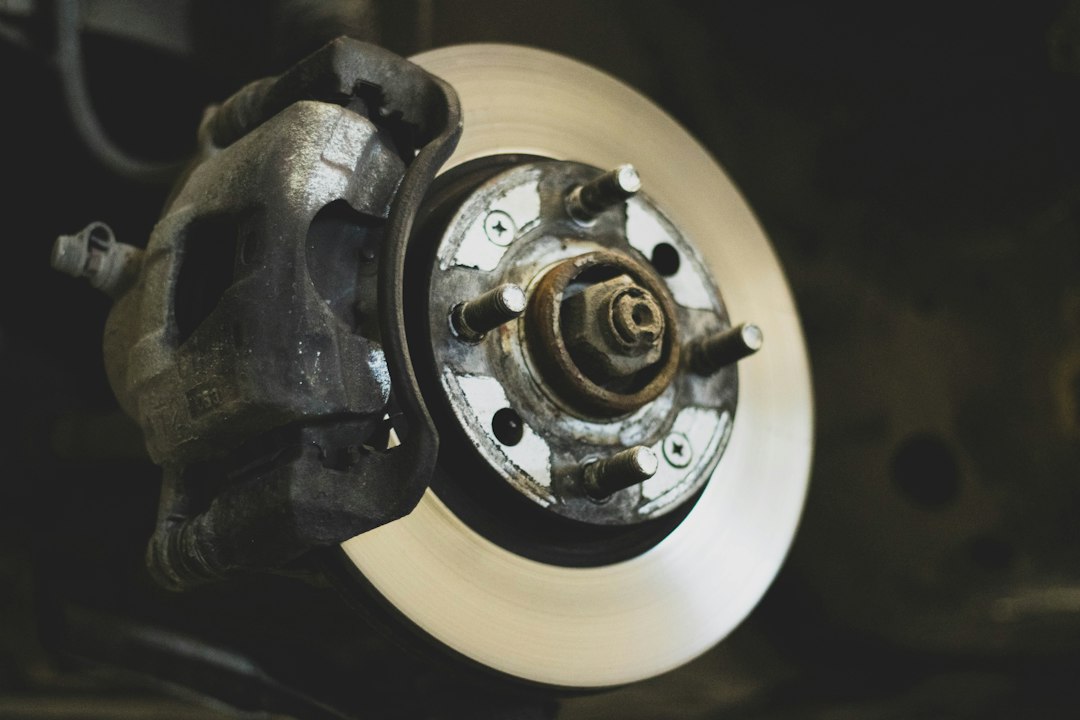
Go kart brake fluid is easy to overlook, yet it is the link between your foot and the brake pads on every hydraulic-braked kart. Fresh fluid of the right type gives a firm, consistent pedal. Old, contaminated or overheated fluid gives a soft pedal that sinks further as the race goes on. This guide explains the main brake fluid types, how to choose the right one for your kart, how often to change it, how to bleed the system step by step, common problems and the safety points to remember. It applies to recreational and racing karts with hydraulic brakes, not to mechanical cable or band brakes.
Part of our Go-Kart Parts guide — explore the full guide →
What Does Go Kart Brake Fluid Do?
A hydraulic brake system uses fluid to transfer force. When you press the pedal, the master cylinder pushes fluid through the brake lines to the caliper, where pistons squeeze the pads against the disc. Because liquids barely compress, the pressure arrives almost instantly and evenly.
The fluid has to do this reliably under heat. Braking turns speed into heat at the disc, and some of that heat soaks into the caliper and fluid. If the fluid gets hot enough to boil, it forms vapor bubbles. Vapor compresses, so the pedal goes soft. That is why boiling point and fluid condition matter so much. Our go-kart brake system guide explains how the components work together.
Types of Brake Fluid Used in Karts
DOT 3. A glycol-based fluid found in many cars and some recreational karts. It has the lowest boiling point of the common DOT grades and absorbs moisture over time.
DOT 4. Also glycol-based, with a higher boiling point than DOT 3. Widely used in racing karts and recommended by many brake manufacturers.
DOT 5.1. Glycol-based with a higher boiling point still. Generally compatible with DOT 3 and DOT 4 systems, though you should follow the manufacturer’s guidance.
DOT 5. Silicone-based, despite the similar name. It does not absorb water but is not compatible with glycol fluids or with systems designed for them. Never mix DOT 5 with DOT 3, 4 or 5.1.
Racing fluids. High-performance fluids, often meeting or exceeding DOT 4 standards, with higher boiling points for hard use.
Mineral oil. A few brake systems are designed for mineral oil instead of DOT fluid. These must use only the specified oil, as glycol fluids will damage their seals.
Best Go Kart Brake Kit: our top 3 picks
| Product | Best for | Key features | Price | Buy |
|---|---|---|---|---|
| VEVOR Hydraulic Brake Kit | Best overall hydraulic kit |
| $114.90as of Oct 26, 2026 5:07 am EDT | Buy now →Check current price |
| GREHUA Mechanical Disc Kit | Best mechanical disc kit |
| $36.99as of Oct 26, 2026 5:07 am EDT | Buy now →Check current price |
| KOONDHEEND KT196 Kit | Best for Coleman KT196 |
| $47.99as of Oct 26, 2026 5:07 am EDT | Buy now →Check current price |


Prices are Amazon’s listed prices as of the date and time shown and are subject to change; the price on Amazon at the time of purchase applies. As an Amazon Associate we earn from qualifying purchases.
Go Kart Brake Fluid Types Compared
| Fluid Type | Base | Relative Boiling Point | Absorbs Water | Typical Kart Use |
|---|---|---|---|---|
| DOT 3 | Glycol | Lowest of DOT grades | Yes | Some recreational karts |
| DOT 4 | Glycol | Higher | Yes | Common in racing and recreational karts |
| DOT 5.1 | Glycol | Higher still | Yes | Performance use where specified |
| DOT 5 | Silicone | High | No | Only in systems designed for it |
| Racing fluid | Usually glycol | Very high | Yes | Hard-braking racing karts |
| Mineral oil | Mineral | Varies | No | Only systems specified for mineral oil |
Exact boiling points depend on the specific product. Check the container and the brake manufacturer’s recommendation.
How to Choose the Right Fluid
Follow the manufacturer. The master cylinder cap, caliper or kart manual usually states the fluid type. This is the single most important rule.
Never mix incompatible fluids. Glycol and silicone fluids do not mix. Glycol fluids can damage seals designed for mineral oil, and vice versa.
Match the fluid to your use. Recreational karts with light braking are fine with the specified standard fluid. Racing karts that brake hard lap after lap benefit from a high-boiling-point DOT 4 or racing fluid where the system allows it.
Buy small, sealed containers. Glycol fluid absorbs moisture from the air once opened. Small bottles mean you use fresh fluid each time.
If you are building or upgrading brakes, our hydraulic brake kit guide covers kit options and fluid compatibility.
How Often to Change Brake Fluid
Glycol fluids gradually absorb water, which lowers their boiling point and can corrode internal parts. Heat cycles also break the fluid down.
- Racing karts: many racers bleed or flush brakes regularly through the season, often before important events, and do a full flush at least once a season.
- Recreational karts: changing fluid at least once a year or as the manufacturer recommends is a sensible baseline.
- Any kart: change the fluid if it looks dark or cloudy, if the pedal feels soft, or after any brake component has been opened up.
How to Bleed Kart Brakes Step by Step
- Gather tools. Fresh fluid, a bleed bottle with clear tube, the correct wrench for the bleed nipple, rags and gloves.
- Protect surfaces. Glycol fluid strips paint and damages some plastics. Cover nearby parts and clean spills immediately with water.
- Fill the reservoir. Top up the master cylinder with fresh fluid and keep it topped up throughout so air cannot enter.
- Attach the bleed tube. Fit the tube to the caliper bleed nipple and place the other end in the bottle, submerged in a little fluid.
- Pump and hold. Have a helper pump the pedal a few times and hold it down.
- Open and close the nipple. Open the bleed nipple briefly to release fluid and air, then close it before the helper releases the pedal.
- Repeat until clear. Continue until no bubbles appear and the fluid in the tube is clean and fresh.
- Bleed each caliper. On karts with front and rear brakes, follow the order recommended by the brake manufacturer.
- Check the pedal. The pedal should be firm and high. Top up the reservoir to the correct level and refit the cap.
- Test at low speed. Confirm the brakes work before driving at speed.
Some calipers have more than one bleed nipple or are best bled with the caliper removed and tilted. Check your caliper instructions. Our go-kart brake caliper guide covers caliper designs.
Common Brake Fluid Problems
Soft or spongy pedal. Usually air in the system or boiled fluid. Bleed the brakes. If the problem returns quickly, look for leaks or a failing master cylinder seal.
Pedal fades during a race. The fluid is overheating. Fresh, higher-boiling-point fluid can help, along with checking pad condition and disc size.
Leaks. Fluid at fittings, the caliper or master cylinder needs immediate attention. See our guide to the hydraulic brake master cylinder if the leak is at the pedal end.
Dark or dirty fluid. Contaminated fluid should be flushed out completely.
Storing and Handling Brake Fluid
How you store fluid affects how well it performs. Keep containers tightly sealed, because glycol fluid starts absorbing moisture as soon as it is exposed to air. Store bottles upright in a cool, dry place away from direct sunlight. Write the opening date on the bottle and discard partly used containers that have been open for a long time.
At the track, carry a small sealed bottle rather than a large container that will be opened many times. Use a clean syringe or funnel to fill the reservoir, and never let dirt fall into the master cylinder.
Safety Notes
Brake fluid is toxic. Wear gloves and eye protection, keep it away from children and pets, and dispose of used fluid at an approved collection point. Never reuse fluid from the bleed bottle. Always test brakes before driving after any brake work.
Pros and Cons
Here are the trade-offs of regular brake fluid maintenance.
Pros
- Fresh fluid gives a firm consistent pedal
- High boiling point fluids resist fade
- Bleeding is a simple job with basic tools
- Fluid is inexpensive compared with other parts
Cons
- Glycol fluid absorbs moisture and needs regular changes
- Spills damage paint and some plastics
- Incompatible fluids can ruin seals
- Bleeding usually needs a helper
Frequently Asked Questions
What brake fluid do go karts use?
Can I mix DOT 3 and DOT 4 brake fluid?
Can I use DOT 5 in my kart brakes?
How do I know if my brake fluid needs changing?
Why does my kart brake pedal go soft during a race?
How much brake fluid does a kart need?
Final Thoughts
Go kart brake fluid is inexpensive, but it has a direct effect on braking performance and safety. Use the specified type, keep it fresh and bleed the system whenever the pedal softens. For more on stopping power under racing conditions, see our sibling guide to racing go-kart brakes.