
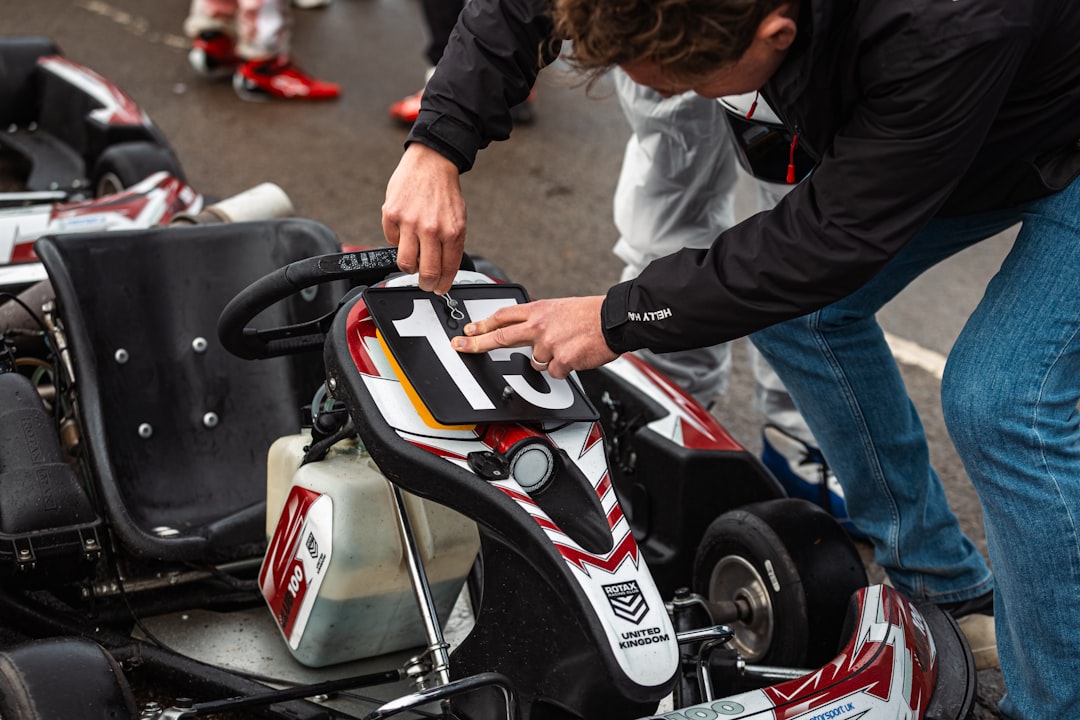
A go kart carburetor kit is one of the cheapest ways to wake up a clone engine — or to bring a tired one back from the dead. The term covers two very different products, though: rebuild kits that restore a stock carb with fresh gaskets and jets, and upgrade carbs that flow more air for real horsepower gains. Buy the wrong one and you either waste money or lean out your engine. This guide sorts rebuild kits from performance carbs, explains jetting when you add an intake and exhaust, teaches you to read lean and rich symptoms, and lays out honest cost tiers so you spend where it counts.
What a Go Kart Carburetor Kit Actually Is
Most kart engines — Predator 212s, GX200 clones, and their 196cc–224cc cousins — breathe through a small fixed-jet carburetor sized for lawn-equipment duty. A go kart carburetor kit targets that carb in one of three ways:
Rebuild kits ($8–$20). A bag of gaskets, a float needle, bowl O-ring, and often a main jet and emulsion tube. These fix hard starting, flooding, and gummed-up fuel systems on an otherwise healthy engine. If your kart sat all winter with fuel in the bowl, this is the kit you need.
Jet kits ($10–$25). An assortment of main jets in stepped sizes, sometimes with an adjustable or extended pilot screw. Required whenever you add an air filter and exhaust, because the stock jet runs too lean with the extra airflow.
Upgrade carburetors ($25–$150+). A complete replacement carb with a larger venturi — the narrowed throat that meters airflow. Stock clone carbs run venturis in the 13–14mm range; common upgrades step to roughly 16mm, 19mm, 22mm, and beyond for built engines. Better versions add replaceable jets and adjustable mixture screws so you can tune rather than guess.
Rebuild vs Upgrade: Which Do You Need?
Match the kit to the problem. Rough idle, fuel dripping from the bowl, or an engine that only runs on choke points to dirt and worn seals — a rebuild kit and a thorough cleaning fix it for under $20. Chasing speed is different: a stock-displacement clone with the factory carb is limited by its small venturi, and no amount of rebuilding changes that. The classic first build — filter, header, jet, and governor removal on a bottom-end-prepped engine — picks up several horsepower, and a larger carb extends those gains further up the rev range. Carb work is one piece of the bigger speed picture we cover in how to make a go-kart faster.
Carburetor Kit Tiers Compared
| Kit type | Cost | What you get | Power effect | Best for |
|---|---|---|---|---|
| Rebuild kit | $8–$20 | Gaskets, float needle, O-rings, stock-size jet | Restores stock running | Hard starting, flooding, storage gum |
| Jet kit | $10–$25 | Assorted main jets, pilot screw | Unlocks filter/exhaust gains | Stage 1 intake and exhaust builds |
| Mid-size upgrade carb | $25–$60 | ~16–19mm venturi, replaceable jets | Noticeable mid/top-end gain | Governor-removed clones, mild cams |
| Large race carb | $60–$150+ | 22mm+ venturi, full adjustability | Strong top-end on built engines | Ported heads, big cams, high rpm |
Jetting Basics When You Add Intake and Exhaust
Carburetors meter fuel against airflow. Bolt on a free-flowing air filter and an open header and the engine pulls more air through the same jet — the mixture goes lean, which costs power and, worse, overheats the engine. The fix is stepping up the main jet until the engine runs cleanly at full throttle.
The method is simple and iterative. Install a jet one or two sizes richer than stock, run the kart at sustained full throttle, then read the spark plug: a light tan to brown insulator is right, white or blistered is lean (go richer), and sooty black is rich (go leaner). Change one jet size at a time, and re-check whenever you change altitude or season — thin summer or high-elevation air wants a smaller jet; cold dense air wants a bigger one. On upgrade carbs, set the idle mixture screw by ear for the smoothest idle, then tune the main jet for the top end.
Reading the Symptoms: Lean vs Rich
Lean signs: popping or “lean pop” through the intake or exhaust on deceleration, surging at steady throttle, hesitation when you crack the throttle, hard hot-starting, a white or gray plug, and a header that glows at night. Lean is the dangerous direction — sustained lean running burns pistons and valves.
Rich signs: a soggy “bog” when you open the throttle, blubbering or four-stroking sound at high rpm, black smoke, fuel smell, a wet or sooty plug, and fouled plugs after short runs. Rich costs power and fouls plugs but rarely damages the engine.
When in doubt, jet slightly rich and tune down. Losing a tenth of a horsepower beats losing a piston.
Cost and Considerations
Plan the whole system, not just the carb. A realistic budget ladder for a clone or Predator go-kart engine looks like this: $15 to $40 gets a rebuild plus jet kit for a healthy stock engine; $60 to $120 covers a filter, header, jets, and a mid-size carb for a strong stage 1 build; $150 to $300 adds a large carb, billet flywheel and rod prep, and valve-spring work for sustained high-rpm running.
Two cautions. First, a big carb on an otherwise stock engine often loses low-end response and gains little — carb size should follow cam, head, and rpm capability, not lead it. Second, if you remove the governor, upgrade the flywheel and connecting rod before chasing rpm; the carb is the cheap part of that equation. Quality varies widely among budget carbs, so buy from karting vendors with real spec sheets rather than the cheapest listing.
Installation and Tuning Tips
Installation is bolt-on simple: two studs, a fresh gasket or insulator spacer, throttle linkage, and fuel line. Get the details right — a vacuum leak at the insulator mimics a lean jet, so torque evenly and check with the engine warm. Verify the throttle returns fully by spring pressure before the first run, use a fuel filter, and set float height per the carb’s spec if fuel drips from the bowl vent. Then tune in order: idle speed, idle mixture, main jet. Keep notes on jet sizes against weather; your future self will thank you at the next track day.
Pros and Cons
Here is the honest case for and against carburetor kits.
Pros
- Cheapest meaningful power upgrade for clone engines
- Rebuild kits revive neglected engines for under $20
- Adjustable carbs let you tune for weather and altitude
- Bolt-on installation with basic hand tools
- Unlocks the gains hiding in intake and exhaust mods
Cons
- Wrong jetting can overheat and damage an engine
- Big carbs on stock engines hurt low-end response
- Budget carb quality is inconsistent between vendors
- Tuning takes patient trial-and-error with plug reads
Frequently Asked Questions
Will a carburetor kit make my go-kart faster?
What size carburetor do I need for a Predator 212?
How do I know if my go-kart is running lean?
Do I need to rejet after adding an air filter and exhaust?
How often should I rebuild a go-kart carburetor?
Can I run an upgrade carb with the governor still installed?
Final Thoughts
The right go kart carburetor kit depends entirely on the job: a $15 rebuild kit for an engine that will not idle, a jet kit the day you fit a filter and header, and a properly sized upgrade carb once the rest of the engine can use it. Tune patiently, read your plugs, and err rich while you learn. Matched to a solid build plan, carb work delivers more speed per dollar than almost anything else you can bolt to a clone engine. For the wider tuning picture, see our guides to building a go-kart and 4-stroke engine karting.