
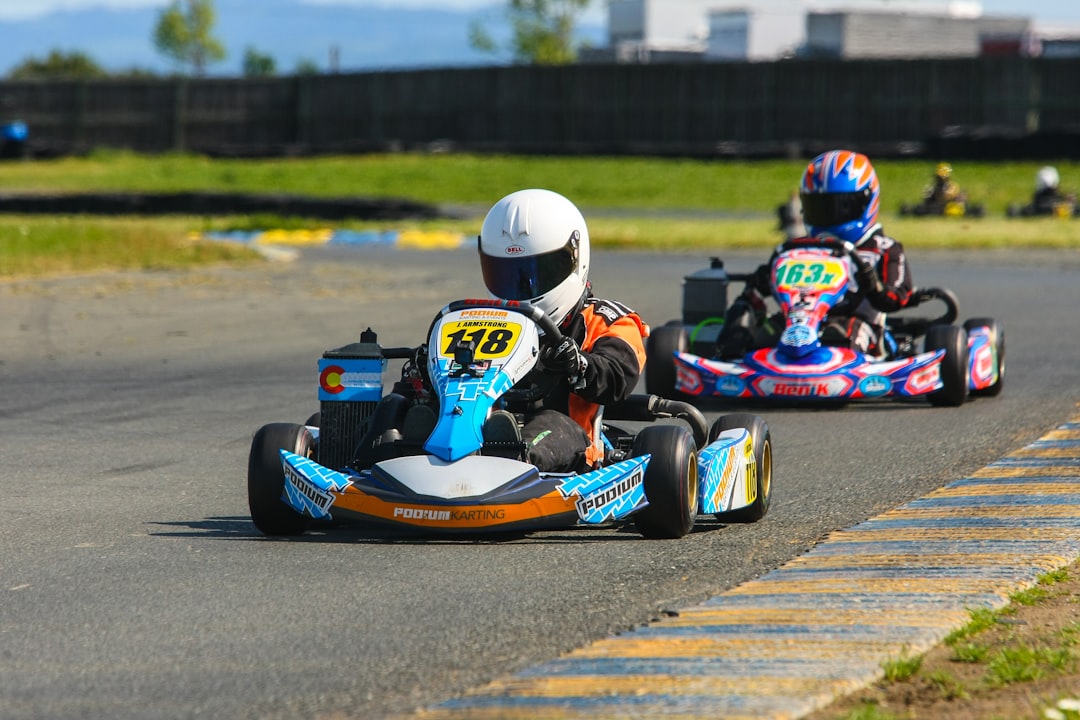
A go kart motor kit is the fastest way to turn a bare frame or a tired build into something that actually drives. Rather than sourcing a motor, controller, throttle, and mounting hardware separately and hoping they play nicely, a kit bundles matched components designed to work together. This matters most for electric conversions, where a mismatched motor and controller can mean a kart that overheats, cuts out, or never reaches its rated speed. This guide breaks down what a go kart motor kit includes, the main electric and gas options, realistic pricing, and how to choose a kit that fits your frame, your speed goals, and your skill level.
If you’d rather match parts yourself than buy a bundle, see our picks for the best electric motors for go-karts first.
What Is a Go Kart Motor Kit?
A go kart motor kit is a packaged powertrain: a motor plus the core parts needed to run it, sold as a compatible set. For electric kits, that usually means a brushed or brushless motor, a matched speed controller, a throttle (hand or foot), a contactor or main switch, wiring, and mounting brackets. Battery packs are sometimes included and sometimes sold separately. For gas-oriented kits, the “motor kit” often centers on a small engine with a clutch or torque converter, throttle linkage, and a mounting plate.
The value of a kit is integration. A 48V brushless motor paired with a controller rated for the same voltage and current will deliver its designed power and stay within safe temperatures. Buy the pieces separately and you risk a controller that cannot supply enough current, or a throttle signal the controller does not recognize. If you are early in a build, our how to build a go-kart guide shows where the powertrain fits alongside the frame, steering, and brakes.
Types of Go-Kart Motor Kits
Motor kits split first by power source, then by how much performance they target.
Brushed electric kits. The budget entry point. Brushed motors are cheap, simple, and easy to wire, but they wear their brushes over time and run less efficiently. Great for kids’ karts and low-speed recreational builds.
Brushless electric kits. More efficient, more powerful, and longer-lasting, with a controller that manages the motor electronically. These dominate serious electric conversions and pair naturally with the setups in our electric go-karts complete guide.
Hub-motor kits. The motor lives inside the wheel, eliminating chains and sprockets. Clean and compact, but limited in torque and harder to service, so they suit light, low-speed builds.
Gas engine kits. A small four-stroke engine with a clutch or torque converter. Louder and higher-maintenance, but with long runtime and quick refueling. Common on off-road and adult recreational karts.
Motor Kit Types Compared
| Type | Typical Power | Maintenance | Runtime | Best For |
|---|---|---|---|---|
| Brushed electric | Low to moderate | Low (brush wear) | Battery-limited | Kids, budget builds |
| Brushless electric | Moderate to high | Very low | Battery-limited | Performance conversions |
| Hub motor | Low to moderate | Low | Battery-limited | Light, simple builds |
| Gas engine kit | Moderate to high | Higher (fuel, oil) | Long, quick refuel | Off-road, adult karts |
Cost and Considerations
A basic brushed electric motor kit runs about $80 to $200, a solid brushless kit with a matched controller typically $250 to $600, and a gas engine kit $150 to $450 depending on displacement and the transmission. Batteries add substantially to electric builds: a usable lithium pack can cost as much as the motor kit itself, so budget for it up front.
Beyond price, confirm voltage and current ratings match across every component, and check that the motor’s shaft, sprocket, or hub matches your drivetrain. Verify the controller supports your throttle type and any features you want, such as reverse or regenerative braking. Weight and mounting space matter too, since a powerful motor is useless if it will not fit your frame. Our go-kart cost breakdown puts these numbers in the context of a whole build.
How to Choose the Right Motor Kit
Start with your target speed and rider weight, because those drive the power you need. A lightweight kids’ kart is happy with a modest brushed kit; an adult build chasing real speed needs a brushless kit with enough voltage and a controller rated well above the motor’s continuous draw. Next, decide electric versus gas based on where you drive, how long you need to run, and how much maintenance you tolerate.
Then match the kit to your frame: measure mounting space, check the drive output, and confirm the sprocket or hub fits your axle. Favor kits that publish clear specs and offer replacement parts, especially controllers and brushes. If your goal is a quiet, low-maintenance recreational kart, an electric brushless kit is usually the sweet spot; if you want long runtime and instant refueling on trails, a gas kit wins. Compare finished electric builds in our best electric go-karts for adults roundup before committing.
Pros and Cons
Pros
- Matched components reduce wiring and compatibility headaches
- Faster path from bare frame to a running kart
- Electric kits are quiet and nearly maintenance-free
- Options for every budget and power level
Cons
- Batteries often cost extra on electric kits
- Kit performance is capped by its lowest-rated component
- Gas kits add noise and ongoing maintenance
- Fit still depends on your frame and drivetrain
Frequently Asked Questions
What comes in a typical go-kart motor kit?
Is an electric or gas motor kit better?
How much power do I need for an adult go-kart?
Do I need to buy batteries separately?
Can I put a motor kit on any go-kart frame?
What is the difference between brushed and brushless motors?
Final Thoughts
A go kart motor kit takes the guesswork out of powering a build by shipping components that are designed to work together. Decide electric or gas by your terrain and runtime needs, size the motor to your rider weight and speed goals, and confirm every part fits your frame and drivetrain before buying. When you are ready to spec the rest of the build, use our best go-kart kits and frames guide for the chassis and how to build a go-kart for the full assembly sequence.