
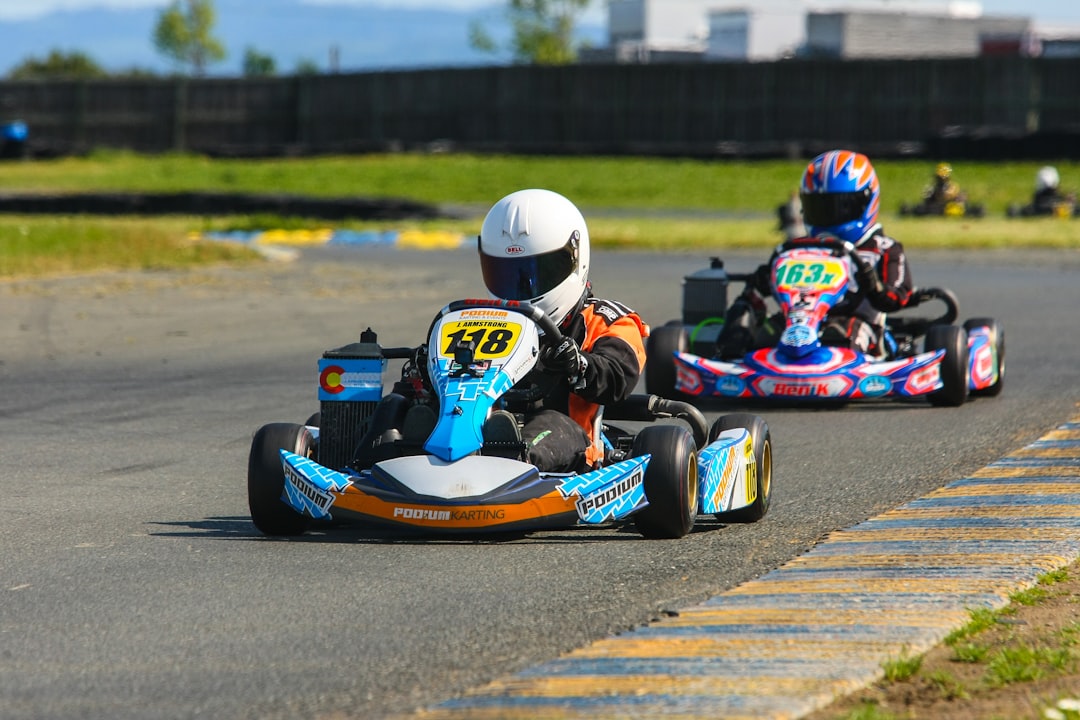
Go-kart rental usually means paying a karting venue for a timed session in one of its karts: you sign a waiver, borrow a helmet, watch a short briefing, and drive, with no license, experience, or gear needed beyond closed-toe shoes. A single adult session in the US commonly costs around $20 to $40 and lasts roughly 8 to 15 minutes, with packages and off-peak times bringing the price down. Venues are either indoor (mostly electric karts) or outdoor (mostly gas karts), and they differ in speed, track style, and age rules. This guide covers how a rental session works, what it costs, how to pick a venue, what to wear, first-timer tips, and the step up into rental leagues.
Part of our Go-Karting for Beginners guide — explore the full guide →
How a Go-Kart Rental Session Works
Rental karting is often called “arrive-and-drive” because the venue provides everything. Most tracks follow a similar sequence.
- Book and sign the waiver. Many venues let you reserve a time and complete the waiver online, which saves queueing at the desk. Minors usually need a parent or guardian to sign.
- Check in. Some venues create a driver profile for their timing system, sometimes for a small one-time or annual fee.
- Safety briefing. A video or staff member covers the flags, passing rules, what to do if you spin, and how the pedals work.
- Gear up. You are issued a helmet and usually a head sock. Staff help you adjust the seat or add a seat insert if needed.
- Drive. Marshals release the group onto the track. Sessions are timed or set to a lap count, and every lap is recorded electronically.
- Results. You get a lap sheet, screen readout, or app result showing your best lap and position.
That lap sheet is a big part of the appeal. Most people book a second or third session to beat their own time, and the improvement from first to second session is usually obvious.
Venues control safety on track with marshals, flags or light boards, barriers, and often a system that lets staff slow every kart at once. Group sizes vary, and some tracks separate drivers by age or experience level.
What Go-Kart Rental Costs
Pricing varies by region, venue type, day, and time. The figures below are typical US ranges rather than quotes; always check the venue’s current rates.
- Single adult session: commonly around $20 to $40, with big-city indoor venues often at the higher end.
- Junior session: often a little cheaper than an adult session.
- Multi-session packages: usually lower the price per race compared with buying one at a time.
- Off-peak and weekday rates: many venues discount quieter times.
- Memberships: regulars can often save with annual or monthly programs.
- Private events: birthday parties, bachelor parties, and corporate outings are usually priced per person or per hour and may include a qualifying-plus-race format, food, and trophies.
Watch for small extras such as profile fees, head sock charges, or event booking deposits. For a wider look at how karting prices compare across rental, club, and racing levels, see our guide to go-karting prices.
Indoor vs Outdoor Go-Kart Rental
The type of venue shapes the whole experience, so it is worth choosing deliberately.
| Factor | Indoor rental | Outdoor rental |
|---|---|---|
| Kart type | Mostly electric | Mostly gas, some electric |
| Track style | Shorter, tighter, more corners | Longer, more flowing, higher corner speeds |
| Surface | Concrete or coated floors; grip varies by venue | Asphalt; grip changes with temperature |
| Weather | Year-round, climate controlled | Seasonal; may close for rain or heat |
| Speed feel | Strong instant acceleration | Usually faster on long straights |
| Best for | First-timers, groups, winter, leagues | Speed, open air, summer outings |
Indoor centers excel at consistency and convenience, and many double as entertainment venues with food and arcades. Our guide to indoor go-kart racing explains formats and what to expect. Outdoor circuits tend to feel closer to real racing thanks to longer straights and higher speeds. Speeds at both depend on how the venue sets up its karts, so ask if you are bringing children or nervous first-timers.
How to Choose a Go-Kart Rental Venue
Not all tracks are equal. A few checks before you book help you pick a good one.
- Age and height rules. Junior and adult karts have different minimums, and they vary between venues. If you are bringing kids, read our guides on go-karting age requirements and how tall you have to be to drive a go-kart.
- Kart options. Some venues offer two-seat karts for a parent and young child, faster karts for experienced drivers, or adaptive options. Ask in advance.
- Session length and value. Compare price per minute or per lap rather than price per session.
- Track condition and kart upkeep. Recent reviews often mention worn karts, long waits, or poorly run sessions.
- Booking system. Online booking and waivers save a lot of time on busy days.
- Weight and ballast. Leagues at some venues balance driver weight with ballast; casual sessions usually do not.
What to Wear and Bring
You need very little to rent a go-kart. The venue supplies the helmet and usually a head sock. Drivers who cannot use foot pedals should ask about hand control go-kart options before booking.
- Closed-toe shoes are required almost everywhere. Flat, thin-soled sneakers give the best pedal feel; sandals and heels are typically refused.
- Comfortable clothes you can move in, without scarves, loose hoods, or long drawstrings that could catch.
- Long hair tied back and tucked into the head sock.
- Jewelry and loose items removed; most venues offer lockers.
- Gloves are optional. Some drivers like a thin pair for grip.
Our full guide on what to wear go-karting includes tips for hot outdoor days and cold indoor warehouses.
Safety and Health Considerations
Rental karting is a managed activity, but it is still motorsport. Bumps, sore ribs, and blisters are the most common complaints. To stay safe:
- Follow the marshals and flags, and slow down immediately for caution signals.
- Keep your hands on the wheel and your feet in the kart at all times, including after a spin.
- Avoid deliberate contact; most venues will stop or remove drivers who ram others.
- Tell staff about back or neck problems, recent injuries, or pregnancy. Many venues advise against driving in those situations.
- Stay hydrated, especially at outdoor tracks in summer.
Tips for First-Time Rental Drivers
Smooth driving beats aggressive driving in a rental kart. These habits help most first-timers find time quickly.
- Brake in a straight line before the corner, then ease off as you turn in.
- Squeeze the throttle on the way out of corners rather than stamping on it.
- Use the full width of the track: start wide, clip the inside, and run back out wide on exit.
- Look ahead to where you want to go, not at the wall or the kart in front.
- Treat the first session as practice. Learn the layout first; speed follows.
- Book off-peak when you can, for emptier grids and more consecutive sessions.
Our complete beginners guide to go-karting goes deeper on technique, etiquette, and how to progress beyond rentals.
Renting Karts for Private Events
Some people searching for go-kart rental want to hire karts or a track for a private event rather than join a public session. There are two common routes. The first is booking a track for exclusive use, which most venues offer for parties and corporate groups, usually with a minimum group size or time block. The second is a mobile or private-site rental, where a company brings karts and barriers to a parking lot or private property. Availability is limited, and these setups normally require insurance, a suitable surface, and trained staff, so expect to discuss liability and site requirements in detail before booking.
Rental Leagues: The Next Step Up
Once single sessions stop scratching the itch, many venues run leagues: multi-week series with practice, qualifying, and points races, usually on a weekly evening. You race the same drivers regularly, learn racecraft such as defending and setting up passes, and get more structured track time than in casual sessions. Formats and entry costs vary widely by venue.
A rental league is an honest way to test your interest in competition before buying any equipment. Our guide to go-kart racing leagues explains how they work, and our go-kart racing hub shows how drivers move from rentals into owned-kart club racing.
Pros and Cons of Go-Kart Rental
Pros
- No equipment, license, or experience needed
- Low cost per session compared with owning a kart
- Timed laps give instant, objective feedback
- Great for groups, parties, and corporate events
- Leagues offer real competition without buying gear
Cons
- Sessions are short and fly by quickly
- Rental karts are heavier and slower than owned racing karts
- Kart-to-kart differences can affect lap times
- Busy weekend slots mean queues and crowded tracks
Frequently Asked Questions
How much does go-kart rental cost?
Do you need a license to rent a go-kart?
How old do you have to be to rent a go-kart?
How long is a go-kart rental session?
What should I wear to rent a go-kart?
Can I rent a go-kart to use at home or at an event?
Final Thoughts
Go-kart rental is the lowest-friction entry into motorsport: no gear, no license, and a lap sheet that tells you exactly how you did. Choose indoor for consistency and year-round racing, outdoor for speed and open air, and book off-peak for the best value. Drive smoothly, learn the track before chasing times, and if one session turns into a weekly habit, a rental league is the natural next step.