
Shopping for a go kart trailer for sale is usually the moment karting stops being a backyard hobby and starts involving tracks, race weekends, or trail trips. The right trailer carries your kart, tools, and spares securely, keeps everything dry, and does not strain your tow vehicle. The wrong one is either too small for the gear you accumulate or too heavy for what you drive. This guide covers the main trailer types used for karts, the sizes that work for one or several karts, typical new and used USD prices, an inspection checklist for used trailers, red flags, and the best places to find one.
Part of our Buying a Go-Kart guide — explore the full guide →
Do You Need a Trailer for a Go-Kart?
A single sprint kart can sometimes fit in a pickup bed or a large van with the rear wheels removed, and some racers start that way. It works, but loading is awkward, tools and fuel travel alongside you, and there is no room for a second kart or a stand.
A trailer becomes worthwhile when you race regularly, own more than one kart, have a heavy recreational buggy, or want a mobile workshop at the track. If you are just starting out, our guide on how to get into karting explains what equipment you actually need in the first season.
Types of Go-Kart Trailer
Open utility trailers. Flat-deck trailers with low sides and a ramp or tailgate. They are light, cheap, and easy to tow. A small utility trailer carries one or two karts but leaves them exposed to weather and theft.
Kart-specific open trailers. Purpose-built trailers with racks or stacking frames designed to hold two or more karts, sometimes with a toolbox at the front. They are lighter than enclosed trailers and popular with club racers.
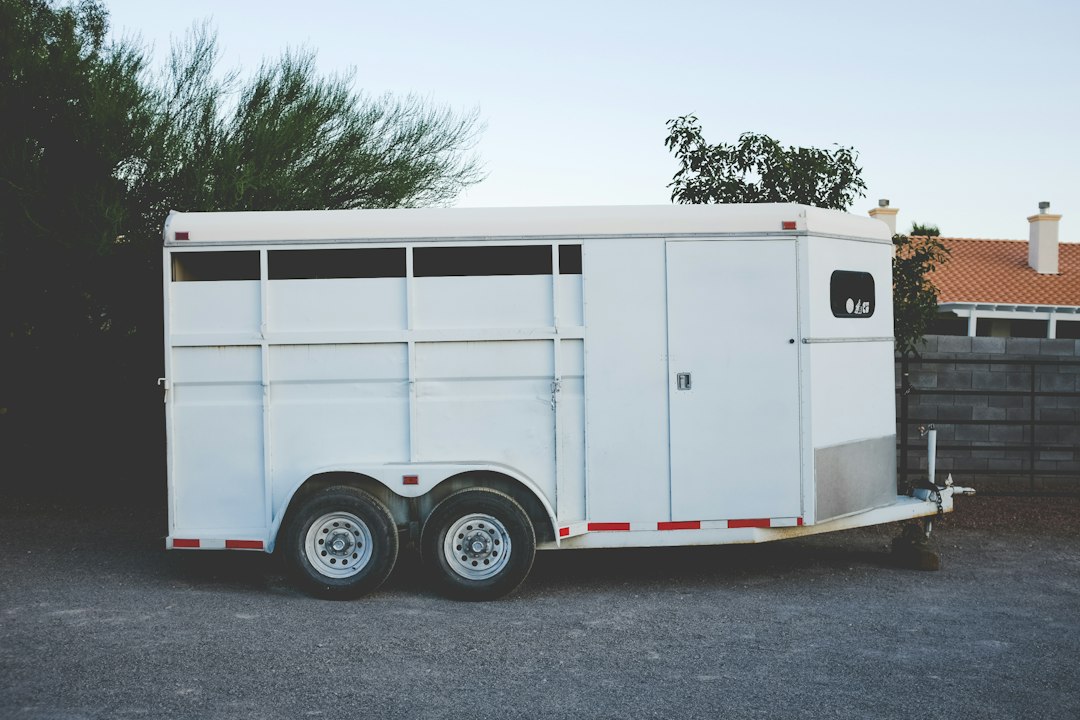
Enclosed cargo trailers. Box trailers with a rear ramp door and side door. They keep karts, tools, and spares dry and secure and can double as a changing room or workshop at the track.
Race trailers with interiors. Larger enclosed trailers fitted with cabinets, workbenches, lighting, awnings, and sometimes generators. Common among families racing several drivers.
Toy haulers and combination trailers. Trailers with living space at the front and a garage at the rear. They are expensive and heavy but replace a hotel on race weekends.
Go Kart Trailer Sizes and Prices Compared
| Trailer Type | Common Sizes | Typical Capacity | Typical New Price (USD) | Typical Used Price (USD) |
|---|---|---|---|---|
| Open utility | 4×8 to 6×10 ft | 1 to 2 karts | $800 to $2,500 | $400 to $1,500 |
| Kart-specific open | Varies by design | 2 to 4 karts | $1,500 to $4,000 | $800 to $2,500 |
| Small enclosed | 6×10 to 6×12 ft | 1 to 2 karts plus tools | $4,000 to $8,000 | $2,500 to $5,500 |
| Mid-size enclosed | 7×14 to 7×16 ft | 2 to 3 karts plus workshop | $6,000 to $12,000 | $4,000 to $8,000 |
| Large race trailer | 8.5×20 ft and up | 3+ karts, full workshop | $10,000 to $25,000+ | $6,000 to $18,000 |
Prices vary with build quality, axle count, options, region, and steel prices. Interior fit-outs, awnings, and generators can add thousands. Treat these as starting points, not quotes.
How to Choose the Right Size
Measure your kart. A typical sprint kart is roughly 6 feet long and around 4 to 5 feet wide, but recreational buggies are larger. Measure the actual length, width, and height of everything you plan to carry, including stands.
Plan for growth. Most karting families end up with more equipment than they expected: spare wheels, tire racks, a kart stand, toolboxes, fuel cans, and canopies. A trailer one size larger than you need today is usually the right call.
Check your tow vehicle. Confirm your vehicle’s towing capacity and tongue weight limit in the owner’s manual, and keep the fully loaded trailer well within them. Enclosed trailers are heavier than they look.
Consider stacking. Stacking stands or racks let you carry two sprint karts in the footprint of one, which can keep you in a smaller, lighter trailer.
Think about storage at home. Check driveway length, gate width, and any neighborhood or homeowner association rules about parking trailers.
Used Trailer Inspection Checklist
Frame and tongue. Look for rust, cracks, and repairs, especially at the tongue, crossmembers, and spring hangers. Surface rust is common; flaking or holes in structural steel are not acceptable.
Axles, springs, and bearings. Look for sagging springs and uneven tire wear, which can indicate a bent axle. Lift each wheel and check for play and rough bearings.
Tires. Check the date code on the sidewall as well as tread depth. Trailer tires often age out before they wear out, and cracked sidewalls mean replacement.
Lights and wiring. Connect the trailer to a vehicle and test brake lights, turn signals, and running lights. Corroded plugs and ground wires are common faults.
Coupler and safety chains. Confirm the coupler size matches your hitch ball and that the latch works. Chains should be intact and properly attached.
Floor and walls. On enclosed trailers, look for soft or rotten floor sections, water stains on the ceiling, and loose roof seams. Water leaks ruin tools and kart parts.
Brakes. Heavier trailers may have electric or surge brakes. Test them, and confirm your tow vehicle has the right controller if needed.
Paperwork. Check the identification number on the trailer against the title or registration documents. Rules on titling and registering trailers vary by state and country.
Red Flags When Buying
Walk away from trailers with no paperwork or a ground-off identification plate. Be cautious of fresh undercoating or paint on the frame, which can hide rust or welds. A trailer that pulls to one side, bent wheels, or heavily cupped tires all point to axle or alignment problems.
For online listings, inspect in person before paying. Be wary of unusually low prices, sellers who want payment before a viewing, or sellers who claim the trailer is stored somewhere you cannot visit.
Securing Karts in a Trailer
Strap karts to the chassis, not to bodywork, bumpers, or the steering wheel. Use ratchet straps rated for the load, and wheel chocks or a kart stand fixed to the floor. E-track or D-ring anchors on the floor and walls make tie-down easier. Store fuel in approved containers, secured upright, and ventilate enclosed trailers. Check straps after the first few miles of each trip. Our kart racing tools guide covers the stands and track equipment that typically travel in the trailer.
Where to Find a Go Kart Trailer for Sale
Trailer dealers. Best for new trailers, custom options, and financing.
Online marketplaces and classifieds. The largest selection of used trailers at varied prices and condition.
Kart tracks and race paddocks. Racers often sell trailers already fitted out for karts, sometimes bundled with stands and racks.
Club forums and social media groups. Good for kart-specific trailers and setups from known owners.
Pros and Cons of Enclosed Trailers
Enclosed trailers are the most popular choice for regular racers, but they are not right for everyone.
Pros
- Keeps karts and tools dry and secure
- Doubles as a workshop and shelter at the track
- Less wind and road grime on equipment
- Can be fitted with racks, benches, and lighting
Cons
- Heavier and needs a capable tow vehicle
- Costs much more than an open trailer
- Needs more storage space at home
- Roof and floor leaks can be costly to fix
Frequently Asked Questions
What size trailer do I need for one go kart?
How much does a used go kart trailer cost?
Can I carry two karts in a small trailer?
Do I need trailer brakes for a kart trailer?
Is an enclosed trailer worth it for karting?
How should I tie down a kart in a trailer?
Final Thoughts
A good go kart trailer for sale matches your kart count, your gear, and your tow vehicle, with a margin for the equipment you will add later. Inspect used trailers carefully, especially frames, bearings, tires, and roofs. If you are planning a full racing budget, our guide to the competitive karting budget per year shows where a trailer fits in.