
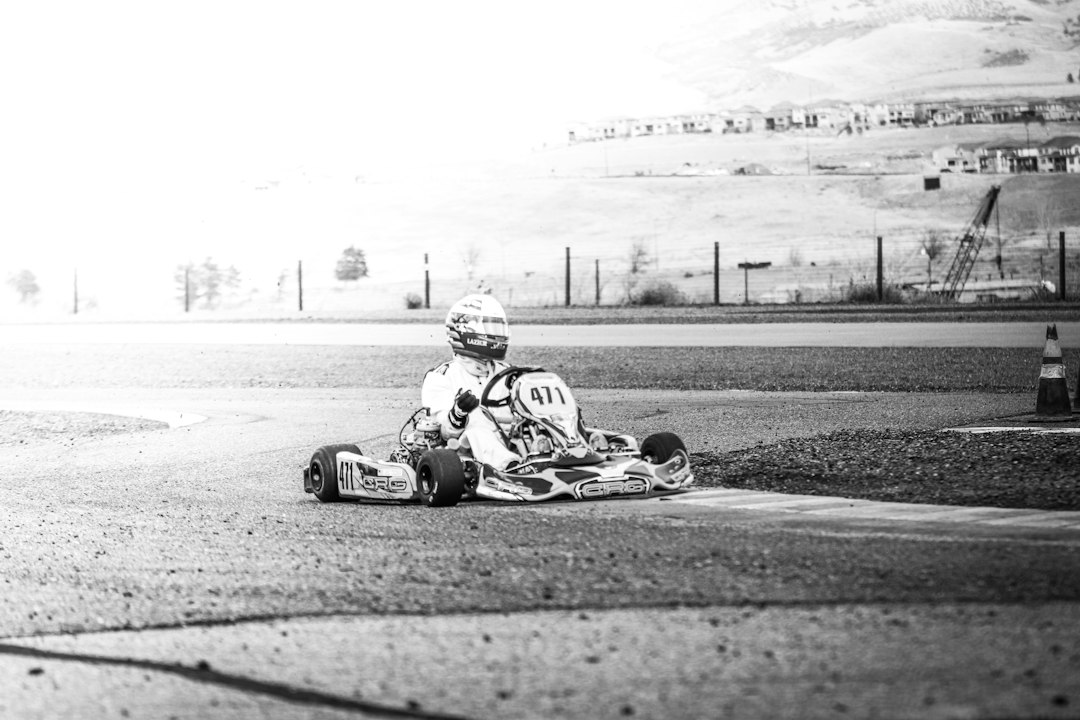
Racing go kart parts are built for a very different job than the components on a backyard fun kart. A racing kart has no suspension and no differential, and it relies on chassis flex, precise alignment, and a tightly controlled engine package to go fast. That means every part, from the axle and hubs to the seat and the brake rotor, affects handling and lap time. This guide walks through the main racing go kart parts by system, explains what each one does and how it is tuned, compares typical costs and wear rates, and covers how to buy parts that match your class rules.
Part of our Kart Racing guide — explore the full guide →
What Makes Racing Go Kart Parts Different?
A recreational kart is designed to be durable and easy to run. A racing kart is designed to be light, adjustable and consistent. Racing parts are therefore made to tighter tolerances, often from aluminum, magnesium or chromoly steel, and many are designed to be swapped quickly in the paddock.
They are also governed by rules. Most racing classes specify the engine, tire, and sometimes the chassis homologation, bodywork and even the brake type. At international level, CIK-FIA homologates chassis, bodywork, brakes and engines. At club level, your local rulebook may follow WKA, SKUSA, IKF or a national authority. Before buying, confirm that the part is legal for your class.
If you are new to the vocabulary, our general go-kart parts guide covers the basics, while this page focuses on racing-specific components.
Chassis and Frame Parts
The chassis is a welded frame of steel tubes, typically chromoly. Tube diameter, wall thickness and layout determine how much it flexes, and flex is how a kart lifts its inside rear wheel to turn without a differential. Our racing go-kart frame guide covers design in more depth.
Bumpers and nerf bars. Front, side and rear protection, often combined with plastic bodywork. Many classes require specific bodywork, including a front fairing mounting kit.
Floor tray. An aluminum or composite pan under the driver’s feet.
Torsion bars. Optional bars on some chassis that let you stiffen the front or rear for different grip levels.
Axle, Hubs and Bearings
The rear axle is a solid tube, usually 30mm, 40mm or 50mm in diameter, that drives both rear wheels at the same speed. Axles come in different stiffness ratings, and changing the axle is one of the main tuning tools. A softer axle generally adds grip in low-grip conditions; a stiffer one helps when the track is grippy.
Rear hubs connect the wheels to the axle. Hub length and material affect stiffness. Front hubs or spindles carry the front wheels. Bearings in the axle carriers and wheels need to be clean and free running; a tight bearing costs speed.
Steering and Front End
Steering components include the steering wheel, column, tie rods, rod ends and spindles. The front end is adjustable for caster, camber, toe and ride height, and many racing karts use eccentric kingpin inserts or adjustable spindle washers for fine tuning. Small changes to the front end can transform how a kart turns in.
Brakes
Most sprint karts use a single hydraulic disc brake on the rear axle. Shifter karts add front brakes on each front wheel. A brake system includes the master cylinder, lines, caliper, pads and rotor. Rotors can be steel or cast iron, ventilated or solid. Our go-kart brake system guide explains bleeding, pad choice and setup.
Engine, Clutch and Drivetrain
The engine is defined by your class. Common examples include the Briggs LO206 four-stroke, IAME KA100 and X30 two-strokes, the Rotax Max family, and 125cc shifter engines. Sealed engines must be maintained within the rules, often by an approved builder.
The clutch connects the engine to the drive. Four-stroke and TaG classes typically use a centrifugal dry or wet clutch, while direct-drive and shifter karts work differently. The sprocket and chain transmit power to the axle. Changing the rear sprocket size is how you adjust gearing for each track.
The intake and exhaust include the carburetor, air box, header and silencer. In many classes these are specified or sealed.
Wheels, Tires and Seat
Racing wheels are usually magnesium or aluminum, 5 inches in diameter, with the width dictated by the tire. Tires are typically spec for your class and come in dry slick and rain versions. See our racing go-kart tires guide for compounds and pressures.
The seat is a fiberglass or composite shell bolted to the chassis. Seat position and stays affect weight distribution and flex, so placing and mounting the seat correctly is a major setup task. Seat size also matters for driver comfort and safety.
Data, Gauges and Paddock Tools
Not every racing part bolts to the kart permanently. A lap timer or data logger is one of the most useful upgrades for a new racer. Basic units show lap times and engine RPM; more advanced systems add GPS track mapping, water or exhaust temperature, and speed traces you can compare lap by lap. In many classes, a temperature sensor is essential to keep a two-stroke engine in its safe operating range.
Paddock tools are part of the package too. A kart stand, tire pressure gauge, chain alignment tool, alignment plates or a laser for setting toe and camber, a torque wrench and a good set of metric hex keys will cover most work at the track. A tire changer or bead breaker speeds up swapping slicks and rain tires.
These items do not make a kart faster on their own, but they let you set up the kart consistently and learn from each session, which is where most real lap time comes from.
Racing Go Kart Parts Compared by Cost and Wear
| Part | Role | Wear rate | Typical price |
|---|---|---|---|
| Tires (set) | Grip | High; often every race weekend | $150-$300 |
| Chain and sprocket | Drive and gearing | Moderate | $30-$80 each |
| Brake pads | Stopping | Moderate | $30-$80 per set |
| Rear axle | Drive and flex tuning | Low unless bent | $150-$350 |
| Seat | Driver support and setup | Low unless cracked | $120-$300 |
| Bodywork set | Protection and rules | Moderate in contact | $250-$600 |
| Engine rebuild | Power | Set interval | $300-$1,500+ |
Prices are typical US ranges and vary by brand, class and supplier.
Running Costs and Spares
Tires, chains and brake pads are true consumables. Engine rebuilds come at intervals set by the engine type: a four-stroke spec engine may run a long time between refreshes, while two-stroke and shifter engines need more frequent work.
A typical spares box for a race weekend includes a spare chain, a couple of sprockets, brake pads, a set of tie rods, spare rod ends, spark plugs, a spare front spindle and a few bodywork clips. A bent axle or spindle after contact is common, so many racers keep one spare of each. Our karting budget breakdown lists these costs over a full season.
How to Buy Racing Go Kart Parts
Start with the rulebook for your class. It tells you which engines, tires, bodywork and sometimes chassis are allowed.
Next, buy parts that match your chassis brand where possible. Many components, such as spindles, hubs and seat struts, are chassis specific. A local race shop or your chassis dealer can confirm compatibility and stock the right spares.
Quality matters for safety-critical parts. Buy steering, brake and axle components new from reputable suppliers. Used parts, such as wheels, bodywork and some tools, can save money if you inspect them carefully.
Pros and Cons
Racing parts offer precision and adjustability, but they also demand care and money. Here is the balance.
Pros
- Light, precise parts tuned for lap time
- Highly adjustable to suit track and conditions
- Spec rules keep many parts affordable and consistent
- Wide support from race shops and chassis makers
Cons
- Consumables like tires add up quickly
- Many parts are chassis specific
- Rules limit what you can change
- Safety-critical parts must be bought new
Frequently Asked Questions
What are the main parts of a racing go-kart?
Which racing kart parts wear out fastest?
Can I put racing parts on a fun kart?
Why do racing karts have no differential?
Are racing kart parts universal?
How much do racing kart parts cost per season?
Final Thoughts
Understanding racing go kart parts helps you spend money where it actually makes the kart faster and safer. Learn what each part does, keep a sensible spares box, and always check your class rules before buying. For the full picture of getting into the sport, read our go-kart racing guide.