
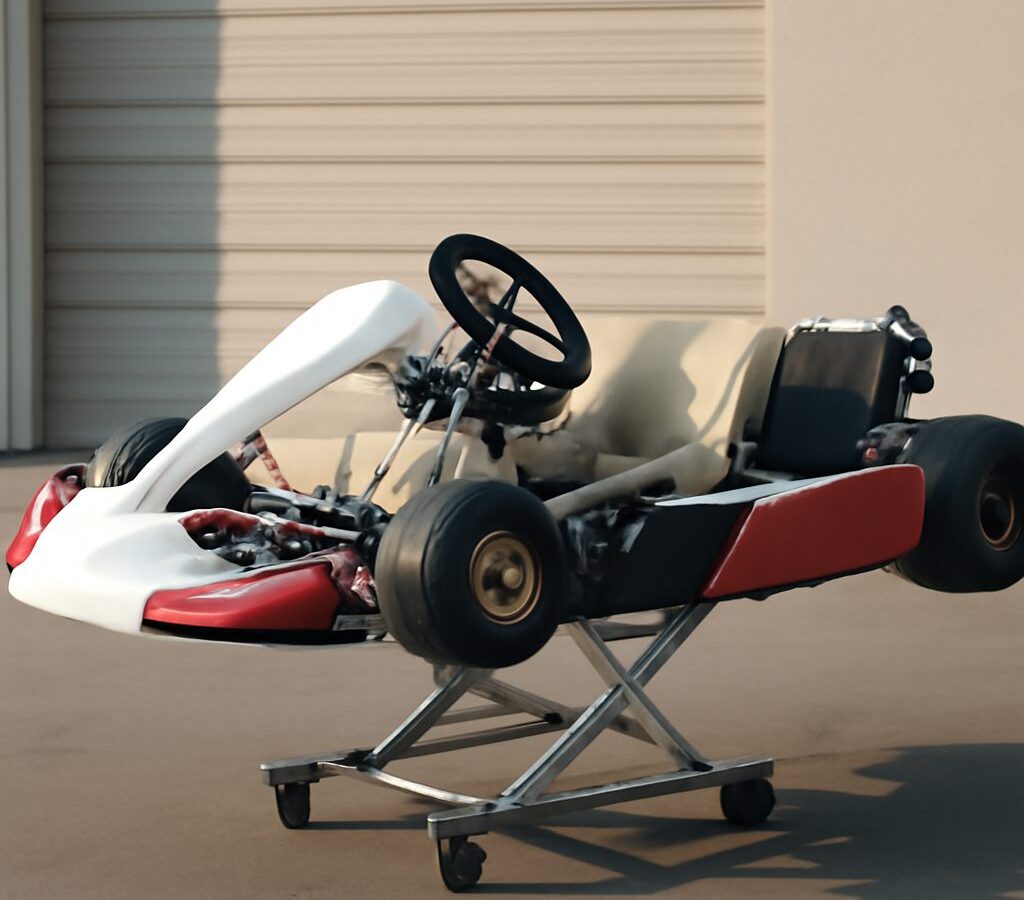
If you are looking for a shifter kart for sale, the used market is where most buyers should start. A shifter kart is a racing kart with a two-stroke engine and a multi-speed gearbox, most commonly a 125cc unit in the KZ style, and it is one of the fastest kinds of kart you can race. As a broad guide, new complete shifter karts usually cost well over $10,000 once chassis and engine are combined, while used karts range from a few thousand dollars for older or tired equipment to the high single digits for recent, well-maintained ones. The purchase price is only the start, because engine rebuilds and tires make shifters expensive to run. This guide covers where to buy, realistic prices, and exactly what to inspect.
Part of our Buying a Go-Kart guide — explore the full guide →
What You Are Buying: Shifter Kart Basics
A shifter kart, also called a gearbox kart or KZ kart, uses a two-stroke engine with a sequential gearbox, usually six speeds, operated by a lever on the steering column. Unlike a single-speed sprint kart, the driver can keep the engine in its power band through slow and fast corners alike. The result is very hard acceleration and braking, which is why most shifters carry front brakes as well as rear brakes.
That performance makes shifters a poor first kart. They are physically demanding, they punish sloppy inputs, and they are expensive to crash. If you are not sure the class suits you, read our sprint vs shifter karts comparison before you shop.
You will see several broad types on the market:
- KZ-style 125cc shifters. The modern standard, with liquid-cooled engines from established manufacturers. Our KZ shifter kart guide explains the category.
- Older 125cc shifters and stock-moto conversions. Karts using motocross-derived engines or older engine designs. Often cheaper, but parts and competition can be thinner depending on your region.
- Larger-displacement and specialty karts. Some older or specialty karts run larger engines. They can be fun, but check that a local class exists before buying.
For more on displacement-specific choices, see our guide to the 125cc shifter kart.
Where to Find a Shifter Kart for Sale
Your local track and club. The best karts often sell through word of mouth in the pits. You can watch the kart run, meet the owner, and usually find out its history. Club notice boards and members-only groups are worth joining.
Kart shops and dealers. Dealers sell new karts and often take trade-ins. Buying from a shop costs a little more but usually includes a basic inspection, some setup help, and access to spares.
Online classifieds and marketplaces. Karting-specific classified sites and general marketplaces carry plenty of shifters. The selection is wide, but you are relying on photos and the seller’s description, so an in-person inspection is essential.
Race teams. Teams sometimes sell last season’s equipment. These karts may have many hours on them but are usually well maintained and come with setup knowledge.
Our broader guide to buying a used shifter kart covers the market in more detail.
Shifter Kart Prices: New vs Used Compared
Prices vary by brand, age, region, and engine condition, so treat these as typical USD ranges rather than quotes. Always check current dealer pricing for new equipment.
| Factor | New | Used, recent | Used, older or project |
|---|---|---|---|
| Typical price | Usually $10,000+ complete | Roughly $4,000 to $8,000 | Roughly $2,000 to $4,000 |
| Engine condition | Fresh | Varies; ask for hours and rebuild records | Often needs a rebuild |
| Competitiveness | Current | Usually competitive at club level | May be dated |
| Support and spares | Dealer support | Depends on brand and seller | Parts may be harder to find |
| Best for | Committed racers | Most buyers | Mechanically confident budget buyers |
A used kart from the last few seasons is the sweet spot for most buyers. Chassis design changes slowly, so a well-kept used chassis can still be competitive at club level for a fraction of the new price.
The Real Cost of Owning a Shifter Kart
The sticker price is often the smallest part of shifter ownership. Budget for these before you buy:
- Engine maintenance. Two-stroke race engines need top-end refreshes and periodic full rebuilds at intervals set by the engine builder or manufacturer. Ask your local engine builder what they recommend and what it costs.
- Tires. Shifters are hard on tires. Serious racers go through sets quickly; club racers can stretch them further at the cost of grip.
- Fuel, oil, and consumables. Race fuel, two-stroke oil, chains, sprockets, brake pads, and clutch parts all add up.
- Track and entry fees. Practice days and race entries are a recurring cost.
- Gear and transport. A full set of safety gear, a kart stand, tools, and a way to move the kart. Our kart racing gear guide covers the essentials.
Many racers find that annual running costs exceed the price of the kart itself. For a broader view of ownership costs across kart types, see our go-kart cost guide.
How to Inspect a Used Shifter Kart
A careful inspection is the difference between a bargain and an expensive project. Bring someone experienced if you can.
Engine. Ask for hours since the last top-end and full rebuild, and who did the work. Look for receipts or logbook entries. If possible, hear it start and run. Check for leaks around the cylinder, water pump, and gearbox. A compression check is useful, but its meaning depends on the engine, so compare with the builder’s spec. Our shifter kart engine guide explains what to look for.
Gearbox and clutch. Shifting should feel positive through all gears. Ask about any missed shifts or neutrals. Check the clutch engages smoothly and the clutch lever or cable is in good condition.
Chassis. Look for cracks, especially near welds, bends in the main rails, and heavy repairs. A kart that has been in big crashes may not sit level or handle consistently. Ask whether the frame has been checked on a chassis table.
Brakes. Inspect front and rear discs, pads, lines, and master cylinders. Spongy pedals, leaks, or worn discs are bargaining points and safety issues.
Cooling and electrics. Check the radiator for damage and leaks, and that hoses and clamps are in good condition. Make sure the ignition and any data system work.
Bearings, axle, and wheels. Spin the axle and wheels and feel for roughness. Check the axle for straightness and the wheels for cracks.
Paperwork and spares. Confirm the seller owns the kart outright. Spares, setup notes, gearing charts, and data logs add real value.
Red Flags When Buying
- No information about engine hours or rebuild history.
- Fresh paint or powder coat on an older frame, which can hide repairs.
- A seller unwilling to let you see the kart run or inspect it closely.
- A price far below similar listings, especially online.
- Mismatched or obscure parts that are hard to replace locally.
Negotiating and Closing the Deal
Use what you find during the inspection. An engine due for a rebuild, worn tires, tired brakes, or a missing spare all have a real cost, and it is fair to reflect that in your offer. Get a quote from a local engine builder if the rebuild history is unclear, so you know the true cost of getting the kart race-ready.
When you agree a price, get a simple written bill of sale listing the chassis, engine, and any spares included, with serial numbers where available. Pay in a traceable way, and avoid sending deposits for karts you have not seen, especially from online listings. Finally, plan transport before collection day: a kart stand, tie-downs, and a suitable vehicle or trailer make the trip home much easier.
Choosing the Right Shifter Kart for Your Goals
Start with where you will race. Find out which shifter classes run at your track and buy something legal and competitive for that class. Then consider brand support: a chassis with a local dealer and engine builder is easier to keep running than an obscure one.
Next, be honest about experience. If you have never raced a sprint kart, a shifter is a steep jump. Spending a season in a sprint class first usually makes you faster in a shifter later and saves on crash damage. Finally, set a full-year budget that includes rebuilds and tires, not just the purchase.
Pros and Cons of Buying a Shifter Kart
Pros
- Among the fastest karts available to amateur racers
- Gearbox keeps the engine in its power band everywhere
- Strong used market with good value on recent karts
- Develops advanced braking and shifting skills
Cons
- High running costs, especially engine rebuilds and tires
- Physically and technically demanding for new drivers
- Two-stroke maintenance is frequent and precise
- Track use only, not legal for streets or most yards
- Hidden wear can turn a cheap kart into an expensive one
Frequently Asked Questions
How much does a shifter kart cost?
Is a used shifter kart worth buying?
Is a shifter kart good for beginners?
How often does a shifter kart engine need rebuilding?
What should I check on a used shifter kart?
Can you drive a shifter kart on the street?
Final Thoughts
The best shifter kart for sale is usually a recent used kart from a known owner, legal for a class that runs at your local track, with documented engine history and a straight frame. Inspect hard, budget for a full year of running costs, and be realistic about your experience level. Do that and a shifter can be one of the most rewarding machines in karting.