
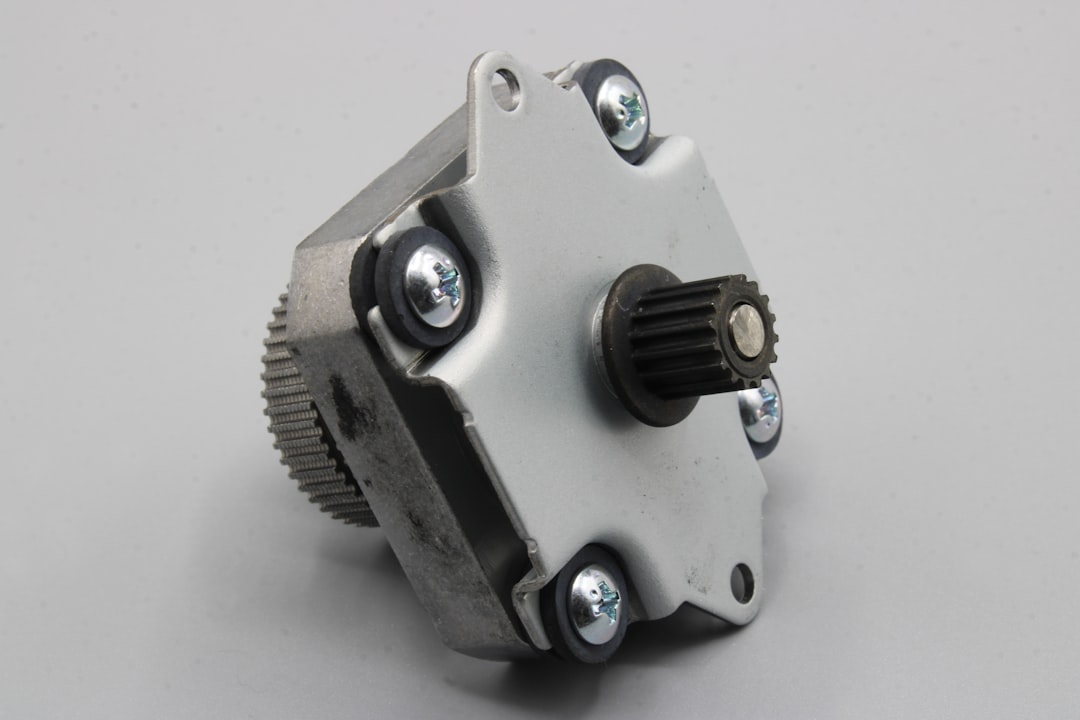
A 3 speed go kart transmission with reverse gives a kart three forward ratios plus a reverse gear, so you can crawl, cruise, and back out of tight spots without pushing the machine by hand. On karts the phrase covers a few different drivetrains: small horizontal engines with a built-in 3-speed-plus-reverse gearbox and automatic clutch, lawn-tractor-style transaxles with three forward speeds and reverse, and buggy karts whose range box sits behind a CVT. They all share one rule: reverse is selected only at a standstill. This guide explains how each type works, which suits your build, typical costs, how to shift without breaking gears, and the maintenance that keeps the box alive.
Part of our Go-Kart Engines & Drivetrain guide — explore the full guide →
How a 3 Speed Go Kart Transmission with Reverse Works
Every version does the same basic job. Engine power enters an input shaft, passes through one of several pairs of gears that set the ratio, and leaves through an output shaft or sprocket that drives the rear axle by chain. Low gear multiplies torque for starting on hills and pulling heavy loads, the middle ratio covers general riding, and the top ratio gives the most speed the engine can pull.
Reverse adds an idler gear between the input and output, which flips the direction of rotation. That idler is usually the smallest, most lightly built gear in the box, and it is the part most often chipped when someone selects reverse while the kart is still rolling forward.
How you change gears depends on the type. Semi-automatic engines use a foot or hand lever with a centrifugal clutch, so you shift forward gears on the move by easing off the throttle. Transaxles and most CVT range boxes are meant to be shifted at a stop or near-stop. None of the common kart units have synchronizers in reverse, so the full-stop rule applies to all of them.
Types of 3-Speed Transmissions with Reverse
Semi-automatic engines with built-in 3+1 gearboxes. Many 110cc to 125cc horizontal engines sold for ATVs and karts come with an integrated gearbox, often described as three forward speeds plus reverse, and an automatic centrifugal clutch. There is no clutch lever to learn. You lift off, tap the shifter, and get back on the throttle. This is the most common meaning of the search term for homebuilders, because it is a complete engine and transmission in one package that bolts to a flat mount plate. Read up on whole-package options in our guide to the go-kart engine with transmission.
Transaxles with three forward speeds and reverse. Lawn tractor and utility transaxles combine a gearbox, often a differential, and the rear axle shafts in one housing. Some offer three forward speeds and reverse. They are tough at low speed and simple to fit to a heavy yard kart, but they are heavy, geared low, and not designed for high wheel speeds. Our go-kart transaxle guide covers sizing and mounting.
Range boxes behind a CVT. Factory buggy and trail karts in the larger displacement classes often pair a CVT belt drive with a gearbox that selects forward, neutral, and reverse, and on some models a high and low range. Sellers sometimes call these 3-speed because the lever has three or more positions, even though the CVT does the actual ratio changing. Check what you are buying: a forward-neutral-reverse lever is not the same as three forward gears.
Add-on reverse units. If you already run a centrifugal clutch or torque converter, a standalone chain-driven reverse box can sit between it and the axle. You get forward and reverse but keep the single ratio. See our go-kart reverse kit article if reverse is all you really need.
Transmission Types Compared
| Type | Typical use | Shift forward gears moving? | Reverse | Typical cost (USD) |
|---|---|---|---|---|
| Semi-auto engine with 3+1 gearbox | Homebuilt karts, small buggies | Yes, off throttle | Full stop only | $350–$900 for engine and box |
| 3-speed transaxle with reverse | Heavy yard karts, utility builds | Usually no, stop first | Full stop only | $150–$600 used or new |
| CVT plus range box | Factory buggy and trail karts | Range changes at a stop | Full stop, idle | $150–$500 for the box |
| Add-on reverse unit | Karts with a clutch or torque converter | Single ratio | Full stop only | $150–$450 |
Prices are typical ranges for complete units and vary widely by brand, condition, and shipping. Always confirm the shaft size, sprocket pitch, and mounting pattern before ordering.
How to Choose the Right Gearbox
Match the box to the engine. A semi-auto engine already has its gearbox, so you only need a chain line to the axle. A transaxle or add-on reverse box has to be rated for your engine’s torque. Utility transaxles are designed for mower engines at low speed; feeding one a modified engine or high-rpm input can strip gears quickly. Check the manufacturer’s input speed and torque ratings.
Think about the terrain. Three forward ratios earn their keep on hills, in mud, and when pulling a passenger. On flat, open ground a single-speed clutch or torque converter is lighter, cheaper, and simpler. If your real problem is only getting out of dead ends, a reverse unit may be all you need.
Plan the layout early. Gearboxes need a rigid mount, a straight chain line to the axle sprocket, and room for the shift linkage to reach the driver. Our how to build a go-kart guide covers drivetrain placement before you cut any tubing. Most builds still drive a conventional live axle from the output sprocket.
Check parts support. A cheap import with no available parts can sideline a kart for weeks over a single stripped gear. Prefer units with known part numbers, replacement gears, and seals you can buy.
Watch the gearing. The final ratio still comes from the sprockets. With three internal gears you can usually run a slightly taller final drive than a single-speed kart, but top gear should still pull to the engine’s governed or safe maximum rpm. Keep speeds sensible for the frame, brakes, and driver.
Shifting Without Breaking Gears
Shift discipline matters more than the brand of box. Follow these habits and even a budget unit lasts.
Stop fully before reverse. Come to a complete stop, let the engine return to idle so the clutch or CVT disengages, then move the lever through neutral into reverse. Selecting reverse while rolling forward, even slowly, asks gears turning in opposite directions to mesh, and the small reverse idler usually loses.
Keep the idle low. If the idle is set too high, a centrifugal clutch or CVT may stay partly engaged, so the gearbox input keeps spinning and every shift grinds. Set the idle so the kart sits still in gear without creeping.
Lift off for forward shifts. On semi-auto engines, close the throttle, shift firmly, and then reapply power. Half shifts and riding the lever cause false neutrals and rounded dogs.
Use reverse slowly. Treat reverse as a maneuvering gear. Look behind you, keep the throttle light, and remember karts steer unpredictably backward.
Teach every driver. Most gearbox failures on family karts come from a new driver shifting at speed. Explain the rules before handing over the kart, and consider a reverse lockout if the box offers one.
Maintenance and Troubleshooting
Oil. Gearboxes hold a small volume of oil, and it degrades quickly with metal from break-in. Use the grade and change interval in the manufacturer’s manual. A first change after the initial running period is good practice on any new unit, and the oil should be checked for level and metal particles whenever you service the kart.
Linkage. Popping out of gear, hard-to-find neutral, and a lever that does not match the actual gear position usually trace to a stretched cable or a loose rod end. Adjust so each position clicks in positively.
Seals and chain. Check the output seal when you set chain tension. A chain that is too tight loads the output bearing and seal and shortens their life.
Warning signs. Grinding on every shift, glittery oil, clunks under load, or a gear that jumps out over bumps all point to worn dogs or chipped teeth. Stop and inspect before a gear lets go and damages the case.
Basic upkeep of the gearbox fits into the wider service routine covered in our go-kart maintenance checklist.
Pros and Cons
Pros
- Reverse makes trails, garages, and tight spaces genuinely usable
- Three forward ratios help on hills and with passengers
- Semi-auto engines combine engine and gearbox in one package
- Neutral makes starting and warm-up safer
Cons
- Reverse must be selected at a full stop or gears get chipped
- Adds weight, cost, and parts compared with a single-speed clutch
- Budget imports can have poor parts support
- Linkage and oil need regular attention
Frequently Asked Questions
Can I shift a go-kart into reverse while moving?
What engines come with a 3-speed transmission and reverse?
Do I need a clutch lever with a semi-automatic go-kart engine?
Why does my go-kart grind when shifting?
Is a 3-speed transmission better than a torque converter?
Do racing karts have reverse gears?
Final Thoughts
A 3-speed gearbox with reverse turns a basic kart into one that copes with hills, passengers, and dead-end trails. Pick the type that matches your engine and terrain, mount it rigidly with a straight chain line, and treat reverse as a stop-first gear. Start with our go-kart engine hub to pair the right powerplant with the box, and keep the oil and linkage in good shape.