

Good go kart maintenance is the difference between a kart that starts every weekend and one that spends the summer in pieces. Karts are simple machines, but they run hard, close to the ground, in dust, grass and rain, with engines, chains and brakes that wear quickly. A short routine before and after each ride, plus deeper jobs at set intervals, prevents most breakdowns and keeps the kart safe. This guide sets out a practical schedule for gas and electric karts, then covers the engine, drivetrain, brakes, tires, steering, fasteners, battery care and winter storage in turn, so you can keep any recreational or racing kart in reliable shape.
Top Picks for Go-Kart Storage
A good cover is the cheapest protection against rust, UV damage and seized cables between rides; these are the leading picks from our roundup.
| Product | Best for | Key features | Price | Buy |
|---|---|---|---|---|
| CONFUTURY QSUSA-KDCZ-001 | Best overall |
| $27.16as of Oct 25, 2026 10:48 pm EDT | Buy now →Check current price |
| VIKIBO VB-GO CART | Best vented alternative |
| $21.99as of Oct 25, 2026 10:48 pm EDT | Buy now →Check current price |
| QYMOTO Large 75 in Cover | Best for larger two-seaters |
| $29.99as of Oct 25, 2026 10:48 pm EDT | Buy now →Check current price |


Prices are Amazon’s listed prices as of the date and time shown and are subject to change; the price on Amazon at the time of purchase applies. As an Amazon Associate we earn from qualifying purchases.
See the full best go-kart covers roundup to match a cover to your kart’s dimensions, whether it is a compact single-seater or a larger two-seat off-road model.
Why Go Kart Maintenance Matters
Most kart failures are wear-related and predictable. Fuel goes stale, oil breaks down, chains stretch, brake pads wear and vibration loosens fasteners. Catching these early is cheap. Ignoring them leads to expensive engine damage, thrown chains, failed brakes or a loose wheel at speed.
Maintenance also keeps performance consistent. A kart with fresh oil, a clean air filter, a correctly tensioned chain and free-spinning bearings is noticeably quicker and more predictable than a neglected one.
If something has already gone wrong, start with our sibling guide on how to fix a go-kart, which works through problems symptom by symptom. This page is about preventing them. When a part does need replacing, our go-kart parts hub covers brakes, steering, wheels and seats, and the go-kart engine hub covers engines, clutches and gearing.
Go Kart Maintenance Schedule: Gas vs Electric
The table below is a general starting point for recreational karts. Hour-based intervals assume normal use; dusty, wet, off-road or racing conditions shorten every interval. Where your engine, motor or chassis manual gives different figures, follow the manual.
| Interval | Gas Kart | Electric Kart |
|---|---|---|
| Before every ride | Check oil level and fuel; test brake; check chain tension and guard; check tire pressure; check steering play and kill switch | Check battery charge; test brake; check chain or belt tension; check tire pressure; check steering play and emergency cutoff |
| Every 5 to 10 hours | Clean or replace air filter; clean and lube chain; inspect clutch or converter belt; check spark plug; adjust brakes; check fasteners | Clean and lube chain; inspect connectors and wiring for heat marks or chafing; adjust brakes; check motor mount and fasteners |
| Monthly (in regular use) | Change oil if hours are due; inspect sprockets and bearings; check fuel line and filter; inspect welds | Inspect battery case and terminals; clean motor and controller vents; inspect sprockets and bearings; inspect welds |
| Seasonal or storage | Stabilize or drain fuel; fresh oil; full brake and drivetrain inspection; change brake fluid if due | Store battery at the charge level the maker recommends; full brake and drivetrain inspection; change brake fluid if due |
Keep a simple log of hours, oil changes and parts replaced so you know when each job is due.
Engine Maintenance (Gas Karts)
Oil
Check the oil level before every ride on four-stroke engines, with the kart level and the engine stopped. Change it at the interval in the engine manual. Many small engines call for an early first change after a short break-in period, because new engines shed fine metal particles, then regular changes based on hours of use. Use the grade the manufacturer specifies.
Two-stroke engines have no oil sump; oil is mixed with the fuel. Mix at the ratio the engine maker specifies, every time, in a clean container.
Air Filter
A clogged filter costs power and, worse, a torn or poorly seated one lets abrasive dust straight into the engine, where it wears rings and cylinders quickly. Foam filters can be washed, dried and lightly re-oiled if the maker calls for it. Paper elements are replaced, not washed. Off-road and dusty riding can demand cleaning after every session.
Spark Plug
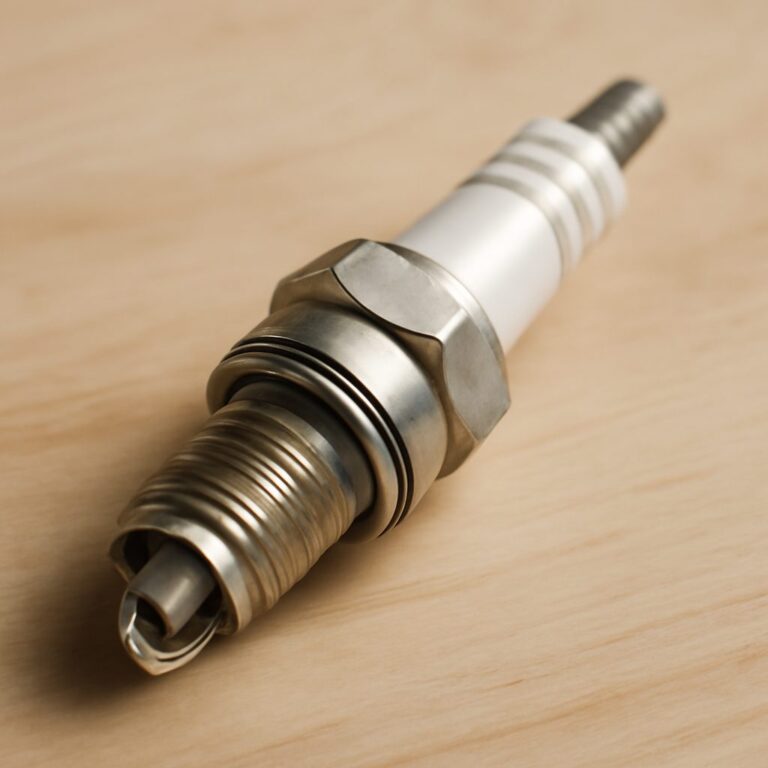
Remove and inspect the plug at regular intervals. A light tan or grey tip is normal; black soot, wet oil or a white, blistered tip all point to a mixture or engine problem worth investigating. Check the gap with a feeler gauge and replace the plug at the manual interval or when the electrode looks worn. For the most common kart engine, our Predator 212 spark plug guide covers plug types and gaps.
Fuel and Carburetor
Use fresh fuel. Old fuel leaves varnish that blocks the tiny jets in a small-engine carburetor, which is the single most common reason karts will not start in spring. Use a stabilizer whenever fuel will sit more than a few weeks.
If the engine surges, only runs on choke or idles poorly, the carburetor probably needs cleaning. Remove it, take off the float bowl, spray every passage with carburetor cleaner, clear the main and pilot jets, and reassemble with new gaskets. Check the fuel filter and fuel line at the same time. If the carburetor is badly corroded, a replacement is often cheaper than repeated cleaning; our go-kart carburetor kit guide explains the options, and the best go-kart carburetor roundup compares replacements.
Finally, keep cooling fins clear of grass and mud, and check exhaust bolts, which vibration loosens.
Drivetrain Maintenance
Chain Tension and Lubrication
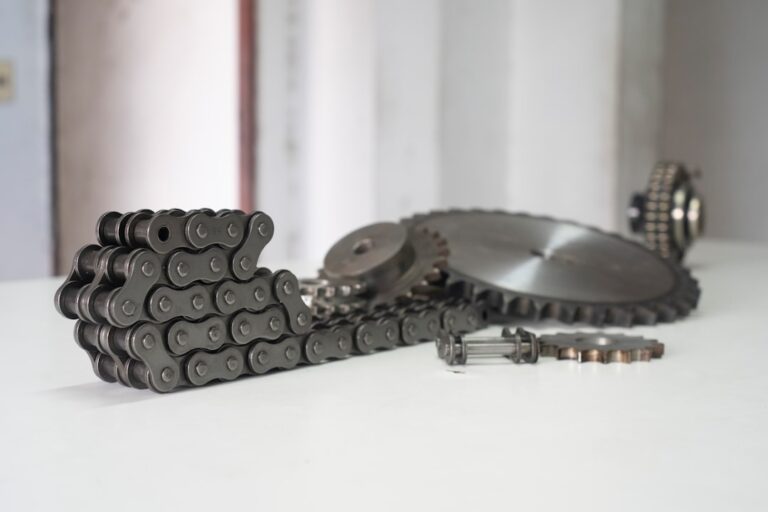
Check chain tension before every ride. Too loose and it can jump off; too tight and it wears bearings and sprockets. Adjust by sliding the engine or motor plate, then recheck sprocket alignment with a straightedge before tightening the mount bolts.
Clean the chain after dusty or wet rides and lubricate it with a chain lube, applied to the inside of the chain so it works into the rollers. Wipe off the excess, because flung lube contaminates the clutch and brake. Measure chain wear periodically. A stretched chain should be replaced together with worn sprockets, since a new chain on hooked teeth wears out quickly. Our go-kart sprockets guide shows how to spot worn teeth, and the best go-kart chain roundup covers replacements by pitch.
Clutch
Centrifugal clutches need their drum bushing or bearing lubricated at the interval the maker gives. Keep oil off the shoes and the inside of the drum. Look for blue heat marks on the drum, glazed or thin shoe linings, and weak springs that let the kart creep at idle. Our go-kart clutch guide explains service and replacement.
Torque Converter
On karts with a belt-driven torque converter, inspect the belt every 5 to 10 hours for cracks, glazing, frayed edges and narrowing. Keep the pulley faces clean and dry, and lubricate only the sliding parts the manufacturer specifies. Check jackshaft bearings and bracket bolts. Our go-kart torque converter guide covers belt sizing and tuning.
Axle and Bearings
Spin the raised rear axle by hand. It should turn freely and quietly with no side play. Check bearing collars, set screws and hub keys. A rough or notchy axle points to worn axle bearings; do the same check on the front wheel bearings by spinning each front wheel.
Brake Maintenance
Test the brake before every ride by pushing the kart with the pedal pressed. On mechanical band, drum and disc systems, adjust the cable or rod as the friction parts wear, and replace bands, shoes or pads before they reach the backing. On hydraulic systems, check the fluid level and look for leaks at the master cylinder, lines and caliper. A soft or sinking pedal means air or a leak, and the system needs bleeding or repair before the kart is driven. Our step-by-step guide to go-kart brake bleeding covers how to get a firm pedal back, and a leaking master cylinder is usually replaced rather than rebuilt on recreational karts.
Hydraulic fluid absorbs moisture over time, which lowers its boiling point and can corrode seals. Change it at the interval the brake maker recommends, and at least once a season on racing karts. Use only the fluid type specified for your system; our sibling guide to go-kart brake fluid explains the types and how to change it.
Keep chain lube and oil off the disc or drum. Contamination is one of the most common causes of weak brakes, and contaminated pads usually need replacing rather than cleaning. Our go-kart brake pads guide covers fitment and replacement, the go-kart brakes overview explains each brake type, and if an old band or mechanical brake is past saving, the best go-kart brake kits roundup lists replacement systems.

Tires and Tire Pressure
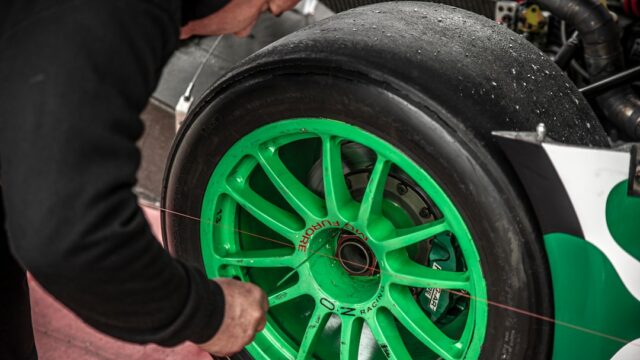
Check tire pressure before every ride with a low-pressure gauge, because a standard car gauge is not accurate at the low pressures karts use. Recreational kart tires often lose pressure slowly, and uneven pressure makes the kart pull to one side. Set pressures to the tire or kart maker’s recommendation and adjust within that range for conditions.
Inspect tires for cuts, cracks, bulges and uneven wear. Check wheel nuts or bolts for tightness and look for bent or cracked rims. Racing karts check pressures between sessions and track wear closely. When tires are worn out, our sibling guide on how to change go-kart tires walks through removal and fitting. Racers who scuff, clean and condition tires before a session should read our go-kart tire prep guide, and a kart tire washer makes cleaning wheels and tires after muddy or dusty runs much quicker. When buying replacements, check the size first with our go-kart tire sizes guide.
Steering and Fasteners
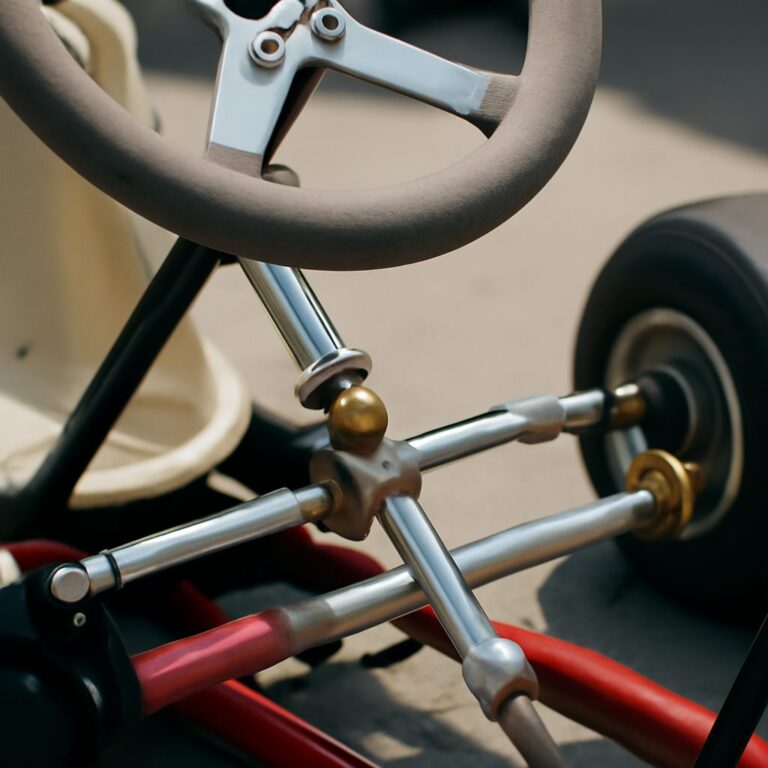
Check for play in the steering wheel, column bushing, tie rod ends and spindles. Grab each front wheel at the top and bottom and rock it to feel for bearing or kingpin play. Tighten loose nuts and replace worn rod ends. Make sure cotter pins and locking nuts are in place on spindles and tie rods; a lost spindle nut can let a wheel come off. Our steering linkage guide explains how to reset toe after replacing tie rods. Check the throttle at the same time: it must snap back to idle on its own, and a frayed or sticky cable should be replaced with a proper throttle cable kit.
Vibration is constant on a kart, so fasteners loosen. Every few rides, check the engine mount, bearing hangers, brake parts, steering and seat mounts with a wrench. Use thread locker where the manual calls for it, and replace self-locking nuts that spin on easily. At the same time, inspect welds around the engine mount, steering mounts and bearing hangers for cracks, and look for bent tubes after any impact.
Electrical and Battery Care for Electric Karts
Electric karts skip oil, fuel and spark plugs, but their batteries and electronics need their own routine.
Charging. Use the charger supplied or approved by the manufacturer. Avoid leaving batteries fully discharged, which can damage both lead-acid and lithium packs. When a pack no longer holds its range, our guide to batteries for electric go-karts explains replacement options. Charge in a dry, ventilated area.
Connectors and wiring. Check connectors for tightness, corrosion and heat discoloration. A connector that looks melted or brown is carrying too much resistance and should be replaced. Inspect wiring where it runs along the frame for chafing, and secure loose cables away from the chain and wheels.
Motor and controller. Keep motor and controller vents clean so they can shed heat.
Chain, brake, steering and tire maintenance is the same as on a gas kart. For more on how electric karts are built, see our electric go-karts guide.
Storage and Winterizing
Most spring breakdowns start with poor storage. Before putting a gas kart away for the off-season:
- Add fuel stabilizer and run the engine for a few minutes so treated fuel reaches the carburetor, or drain the tank and carburetor bowl completely.
- Change the oil so acids and moisture in used oil do not sit in the engine.
- Clean the kart thoroughly and dry it, paying attention to the chain and brake.
- Lubricate the chain, cables and pivots.
- Inflate tires to normal pressure and, if possible, raise the kart so tires do not flat-spot.
- Cover the intake and exhaust openings to keep out insects and rodents.
- Store the kart covered in a dry place, away from appliances with pilot lights. A breathable go-kart cover keeps dust and moisture off without trapping condensation, and a seat cover protects vinyl and padding from UV and rain.
For an electric kart, charge or discharge the battery to the storage level the manufacturer recommends, disconnect it if advised, and store it somewhere cool and dry where it will not freeze. Check and top up the charge periodically through the winter as the maker directs.
Cost of Go Kart Maintenance
Routine maintenance is inexpensive compared to repairs. Typical USD costs include roughly $5 to $15 for oil per change, $5 to $25 for an air filter, $3 to $10 for a spark plug, $15 to $50 for a chain, $20 to $70 for brake pads and $10 to $25 for a bottle of brake fluid. Racing karts cost far more, and electric karts eventually face battery replacement, their largest single maintenance cost.
Pros and Cons
A regular maintenance routine takes some time but pays back in reliability, safety and resale value.
Pros
- Prevents most breakdowns before they happen
- Keeps brakes and steering safe
- Maintains performance and engine or battery life
- Routine tasks need only basic tools
- Service records help resale value
Cons
- Takes time before and after every ride
- Small ongoing costs for oil, filters and chains
- Easy to skip when you are in a hurry
- Racing karts need far more frequent work
Explore Every Maintenance Guide
Repair and troubleshooting


Tire care

Storage and protection


Frequently Asked Questions
How often should I change the oil in my go-kart?
What should I check before every ride?
How do I winterize a go-kart?
How often should I lube my go-kart chain?
Do electric go-karts need maintenance?
How much does go-kart maintenance cost?
Final Thoughts
Consistent go kart maintenance keeps your kart safe, reliable and fast. Do the quick checks before every ride, follow the 5 to 10 hour and monthly jobs, keep a simple log, and prepare the kart properly for storage. When something does fail despite your care, our guide on how to fix a go-kart will help you diagnose it, and our parts hub will help you choose the replacement.