
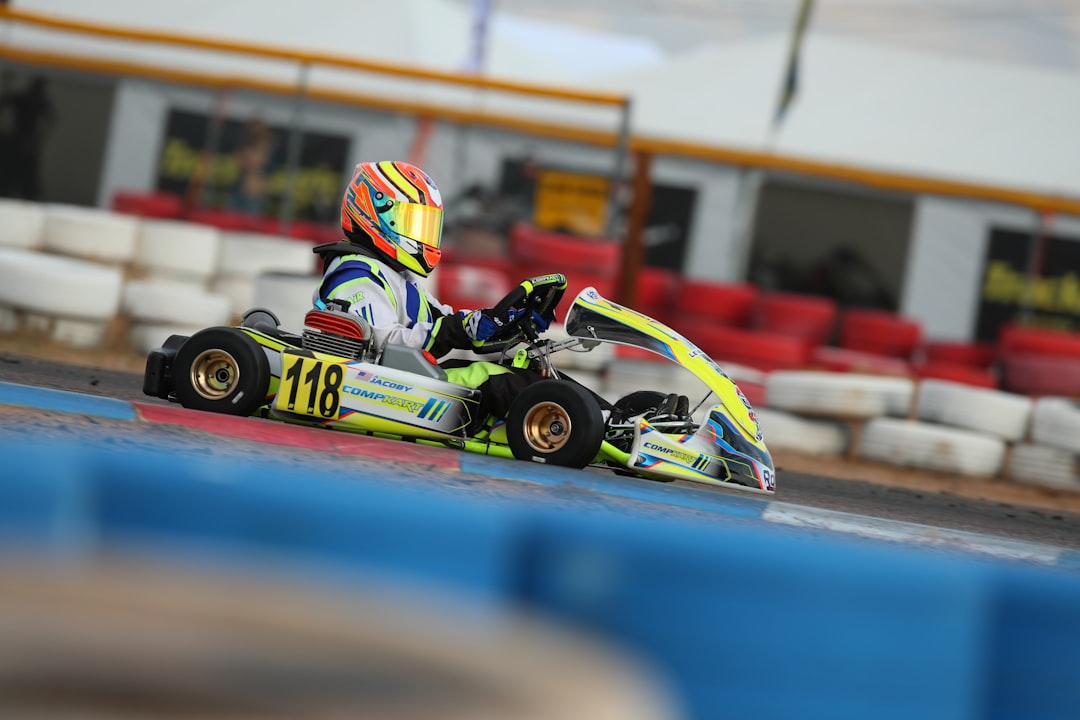
Finding the best go-karts for kids means balancing three things that rarely line up perfectly: safety, the right amount of speed for your child’s age, and a price that won’t make you wince. A four-year-old and a twelve-year-old need completely different machines, and buying “up” so a kart lasts longer usually backfires, because an oversized kart is harder to control and less fun. This guide breaks down the top choices by age and power type, shows you how the categories compare, and gives you honest cost expectations so you can pick a kart your child will actually use week after week.
What Makes the Best Go-Karts for Kids
The best go-karts for kids are the ones matched to the driver, not the ones with the biggest spec sheet. Fit matters more than horsepower: your child should reach the pedals comfortably, see over the wheel, and be able to hit the brake without stretching. A kart that fits builds confidence, and a confident kid drives more carefully.
Beyond fit, look for adjustable speed limiters, a parental remote kill switch on electric models, a proper seatbelt or harness, and a roll cage or sturdy frame on anything that moves faster than a brisk walk. These features separate a toy from a genuinely good first kart. For the full picture on sizing and safety, our kids go-karts complete guide walks through every consideration in depth.
Types of Kids’ Go-Karts
Kids’ karts fall into four broad categories, each suited to a different age band and comfort level. Understanding the type before you shop saves you from buying too much or too little kart.
Pedal karts use leg power alone, making them ideal for ages 3 to 8 with zero speed risk. Electric karts offer quiet, controllable power with speed limiters, perfect for ages 4 to 12. Gas-powered karts deliver more speed and runtime for older kids and teens who want a bigger thrill. Off-road buggies add suspension and knobby tires for dirt and grass. Our best go-karts for kids by age roundup pairs specific models to each band.
Kids’ Go-Kart Types Compared
| Type | Best Age | Typical Speed | Price Range | Best For |
|---|---|---|---|---|
| Pedal kart | 3–8 | Walking pace | $80–$300 | First-timers, backyards |
| Electric kart | 4–12 | 2–12 mph | $150–$700 | Driveways, quiet fun, control |
| Gas kart | 8–16 | 10–30 mph | $500–$2,000 | Older kids, more thrill |
| Off-road buggy | 7–16 | 10–25 mph | $700–$2,500 | Dirt, grass, uneven ground |
Cost and Key Considerations
Budget is where most parents get tripped up. A solid electric kart for a young child runs $150 to $400, while a capable gas kart for an older kid starts around $600 and climbs past $1,500 for models with roll cages and real suspension. Cheap sub-$100 karts exist, but they wear out fast and often skip safety features you’ll wish you had.
Factor in running costs too. Electric karts need battery replacements every two to three years ($40–$120), and gas karts need fuel, oil, and occasional belt or clutch service. Storage space, charging access, and where your child will actually drive all shape the right choice as much as the sticker price.
Don’t overlook the hidden costs that come with every category. Safety gear is a real line item: a properly fitted youth helmet runs $40 to $90, and gloves plus a chest protector add another $30 to $70. Assembly matters too, since many karts arrive partly built and demand an afternoon of work plus basic tools. And if your child races on grass or dirt, expect to replace tires more often than a driveway-only kart would need. Building the true cost picture up front prevents the frustration of a kart that sits unused because the extras weren’t budgeted for.
Resale value is worth a thought before you buy, too. Well-known brands with strong parts support hold their value far better than no-name imports, so a slightly pricier kart from a reputable maker often costs less over its full life once you sell it on. Kids grow fast, and a kart you can pass down or resell softens the sting of the initial outlay.
How to Choose the Right Kart
Start with your child’s age and size, then set a speed ceiling you’re comfortable with. For a first kart under age eight, an electric model with a low-speed setting and a remote kill switch is hard to beat. For a confident older child, a gas kart with an adjustable governor lets you raise the limit as skills grow.
Match the kart to your terrain: smooth driveways and sidewalks favor slick-tired electric karts, while grass and dirt demand off-road tires and suspension. Finally, buy from a brand with available spare parts. A kart that can’t be repaired becomes landfill the first time a tire splits or a chain snaps.
Involve your child in the decision where it makes sense. A kart in a color they love, or one that looks like a real race machine, gets driven far more than one chosen purely on spec. At the same time, resist the pressure to buy the fastest option a nervous first-timer will lose confidence and lose interest. It’s far better to start conservative and let your child grow into more speed than to hand over a machine they can’t yet control. When in doubt, size down on speed and up on safety features.
Pros and Cons
Every category involves trade-offs. Here is the honest balance for kids’ karts as a whole.
Pros
- Builds motor skills and confidence
- Huge range of ages and budgets covered
- Electric models are quiet and low-maintenance
- Adjustable speed limits grow with the child
Cons
- Good karts are not cheap
- Gas models need real maintenance
- Cheap karts often skip key safety features
- Kids outgrow smaller karts within a few years
Frequently Asked Questions
What age can a child start driving a go-kart?
Are electric or gas karts better for kids?
How fast should a kids go-kart go?
Do kids need safety gear for go-karting?
How much should I spend on a kids go-kart?
Can a go-kart grow with my child?
Final Thoughts
The best go-karts for kids are the ones sized and speed-matched to your child today, not the ones you hope they’ll grow into. Nail the fit, respect the safety features, and buy from a brand you can get parts for, and you’ll have a kart your child returns to season after season. For age-specific picks, see our best go-karts for kids by age roundup, and if you’re weighing an electric first kart, the electric go-karts complete guide covers batteries, ranges, and controls. New to karting entirely? Start with our go-karting beginner’s guide.