
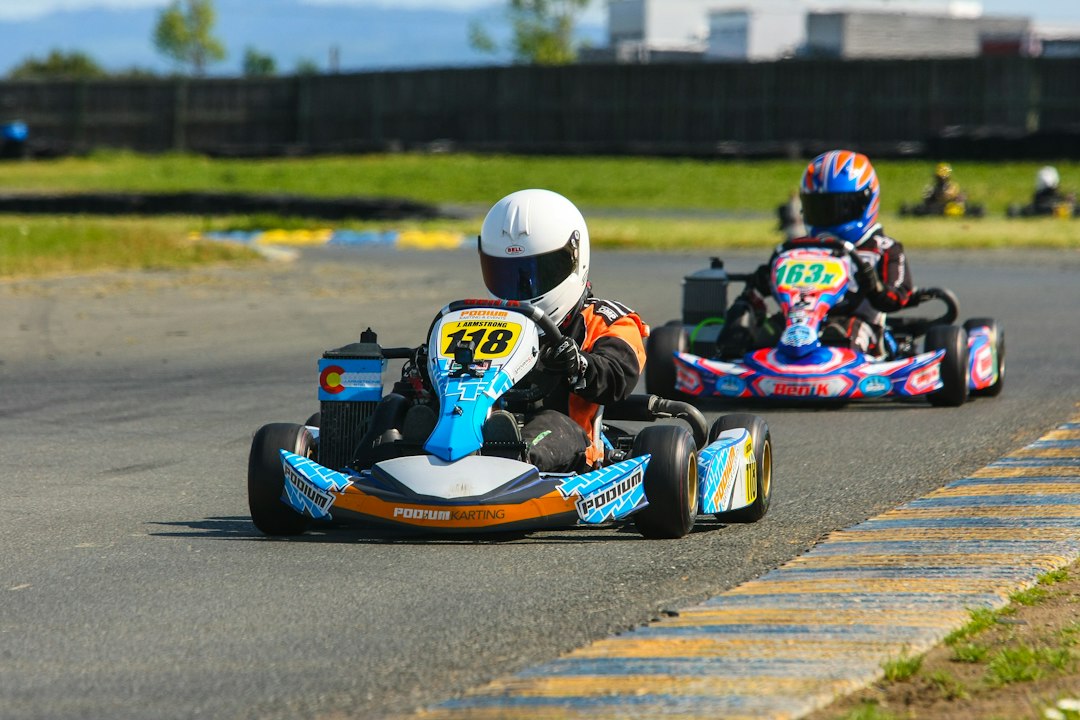
Cadet kart racing is the stage where young drivers move from first laps into real competition. Typically aimed at children from around 7 or 8 to 12 years old, cadet classes use smaller chassis and low-power engines, but the racing is genuine: qualifying, heats, finals, overtaking and championship points. For many families, cadet karting is where a casual interest becomes a serious hobby, and it is the level at which many professional drivers first learned race craft. This guide explains what cadet kart racing is, the age ranges and classes, the karts and engines involved, costs, safety gear, and how parents can get a child started.
Part of our Kids Go-Karts guide — explore the full guide →
What Is Cadet Kart Racing?
Cadet karting is a youth racing category between the youngest Kid Kart or Baby Kart classes and Junior karting. Drivers use karts with a shorter wheelbase than full-size karts, smaller tires, and engines that are restricted to keep speeds suitable for their age.
The exact names vary by country and organization. You may see Cadet, Micro, Mini, Bambino or similar names. At international level, CIK-FIA runs a Mini category for younger drivers. National motorsport authorities and organizations such as WKA, SKUSA and IKF in the US, and their equivalents elsewhere, set their own cadet rules.
Because rules vary, the specific ages, weights, engines and tires depend on where your child races. Always check the current rulebook from your club or series.
Cadet Kart Racing Ages and Classes
Most cadet classes cover children from around 7 or 8 to 12 years old, sometimes split into two levels, such as a younger and older cadet or a Micro and Mini class. Some organizations use birth year rather than exact age, and some allow drivers to move up early based on experience or a license test.
Before cadet, many children start in Kid Kart or Baby Kart classes, typically from around 5 to 7 years old. After cadet, drivers move to Junior classes on full-size chassis, usually around 12 or 13. Our go-karting age requirements guide covers the full age ladder.
Cadet Karts and Engines
Cadet chassis are smaller versions of sprint karts, with a shorter wheelbase, often around 950mm compared with roughly 1,040mm for a full-size kart, and narrower track widths. Seats and pedals are sized for children.
Engines vary by class and country. Common options include four-stroke engines with restrictor plates, such as the Briggs LO206 run in cadet trim, and small two-stroke engines, such as the IAME Mini Swift, the Rotax Micro and Mini Max, and the Vortex Mini Rok. Your local rules determine which engines are allowed.
Restrictors and spec rules keep speeds manageable, but cadet karts are still quick. Depending on class and track, speeds in the 40s or 50s mph are possible on longer straights.
Cadet Classes Compared
| Engine type | Example | Starting | Relative speed | Running cost |
|---|---|---|---|---|
| Four-stroke restricted | LO206 cadet | Pull start | Moderate | Lowest |
| Small two-stroke TaG | IAME Mini Swift, Rotax Micro or Mini Max | Onboard starter | Quick | Moderate |
| Small two-stroke | Vortex Mini Rok | Onboard starter | Quick | Moderate |
| Electric cadet | Varies by club | Instant | Varies | Varies |
Engine availability by class differs by country and series, so treat this as a general overview.
Choosing a Cadet Chassis
Most major kart manufacturers build cadet chassis, and the best choice is usually the brand with the strongest support at your local track. A dealer or experienced team nearby means quick access to spare parts, baseline setups and advice, which matters far more at this level than small differences in chassis design.
Check that the chassis is legal for your chosen class, since some organizations specify wheelbase, homologation or bodywork. Look for a straight frame with no cracks, especially around the steering and axle mounts. Make sure the seat can be sized and positioned to fit your child, and that pedals can be adjusted as they grow.
Many families buy a used cadet package, race it for a season or two, and sell it on when the child moves up to Junior. Cadet karts hold their value reasonably well if they are well maintained.
What a Cadet Race Weekend Looks Like
Cadet events follow the same structure as adult club racing. Families arrive early, set up in the paddock, register, and take the kart through tech inspection. A drivers briefing, often with parents present, covers flags, procedures and track rules.
Practice comes first, followed by qualifying and then heats and a final. Karts are weighed after sessions, so drivers need to come straight to the scales. Many clubs give new cadet drivers extra guidance, such as starting from the back or running in a novice group, until they have gained experience. Expect a long day, and pack food, water, shade and spare clothing.
Safety Gear for Cadet Drivers
Cadet drivers need full protective gear: a helmet that meets the standard required by the series, a kart racing suit, gloves, boots, a neck brace, and often a rib protector. Many organizations specify helmet standards for youth drivers, so check before buying.
Fit matters more than brand. A helmet that is too big or a suit that is too loose reduces protection. Children grow quickly, so expect to replace gear regularly. Our kids kart racing gear guide covers sizing and standards.
Costs of Cadet Kart Racing
A used cadet kart package typically costs $1,500 to $5,000 depending on engine and condition. New packages often cost $4,000 to $8,000 or more. Safety gear adds roughly $500 to $1,500.
Running costs depend on class and how often you race. A club-level season with a four-stroke engine may cost a few thousand dollars, while competitive regional and national programs with two-stroke engines, team support and travel can cost $20,000 or much more. Our karting budget guide breaks down these costs.
How to Get Started in Cadet Kart Racing
Start with seat time. Many tracks run youth arrive-and-drive programs or kids’ karting schools where children can try karting without buying equipment. This is the best way to see if your child enjoys it.
Next, visit your local club on a race day. Talk to parents and officials about which cadet classes are popular, what engines are used and what licenses are required. Choose a class with a healthy grid.
When you buy, look for a complete used package sized for your child, with a known engine history and spares. Consider a coach or an experienced family to help with setup. Focus on learning, fun and safety rather than results.
Our kids kart racing guide covers the full journey from first laps to junior racing.
Parent’s Role in Cadet Karting
At cadet level, parents are usually the mechanic, coach, driver, cook and cheerleader. You will learn to change tires, adjust gearing, maintain the engine and set tire pressures. Many clubs have friendly families who help newcomers.
Keep the focus on development. Children learn best when racing is fun and they feel supported. Encourage good sportsmanship, celebrate progress, and avoid putting too much pressure on results.
Pros and Cons
Cadet karting is a rewarding family activity with real costs and commitments.
Pros
- Real racing experience at a young age
- Builds confidence, focus and sportsmanship
- Clear progression to junior and senior karting
- Strong family community at most clubs
Cons
- Costs rise quickly at higher levels
- Children outgrow karts and gear often
- Requires a big time commitment from parents
- Rules and classes vary by organization
Frequently Asked Questions
What age is cadet kart racing for?
How fast do cadet karts go?
How much does cadet kart racing cost?
What engines do cadet karts use?
Do cadet drivers need a license?
What comes after cadet karting?
Final Thoughts
Cadet kart racing is where young drivers learn real race craft in a safe, structured environment. Start with arrive-and-drive sessions, choose a popular class, and focus on fun and development. For more on how young drivers progress, read our what age do F1 drivers start karting guide.