

A clone go kart engine is a single-cylinder, horizontal-shaft four-stroke built to the same basic layout as a popular industrial engine design from a major Japanese manufacturer. Dozens of companies now make these engines, typically around 196cc to 212cc, and they power a huge share of DIY karts, minibikes, and budget racing classes. Parts often interchange between brands, which is why the clone ecosystem is so large. This guide explains what makes an engine a clone, the main variants, how clones compare with branded engines, typical USD costs, how to choose one, how they are used in racing, and how to maintain one.
Part of our Predator 212 & Clone Engines guide — explore the full guide →
What Is a Clone Go Kart Engine?
The original design that clones copy is a widely used industrial engine of around 196cc with an overhead valve layout. When its patents expired, many factories began producing engines with the same dimensions, bolt patterns, and internal layout. These are called clones because they share so many parts with the original and with each other.
Clone engines share several traits: an air-cooled single cylinder, overhead valves operated by pushrods, a horizontal output shaft (typically 3/4 inch on kart-oriented versions), and a common base bolt pattern. Displacement is usually 196cc or 212cc, with the larger versions using a bigger bore or stroke.
The Predator 212 engine is the best-known example in the US and has its own dedicated guide. This page covers the clone family as a whole.
Types of Clone Engines
196cc clones. The closest copies of the original design. They are the basis for many racing clone classes because their dimensions are well documented.
212cc clones. Slightly larger displacement versions sold under many brand names. They are the most common DIY kart engine because of price and availability.
Hemi and non-hemi heads. Some 212cc clones use a hemispherical combustion chamber, others a flatter head. Parts such as heads, gaskets, and some performance components are not interchangeable between the two. Check before ordering upgrades.
Racing-prepared clones. Engines built or sealed to the specification of a racing class, often with specific carburetors, springs, and governors. Each club or sanctioning body defines what is legal.
Branded utility engines. The original design and other premium brands are not clones, but they are often compared because they share dimensions. They generally cost more and are built with tighter quality control.
Best Go Kart Engine: our top 3 picks
| Product | Best for | Key features | Price | Buy |
|---|---|---|---|---|
| maXpeedingrods MXR212R | Best overall 212cc |
| $149.99as of Nov 17, 2026 1:03 pm EST | Buy now →Check current price |
| maXpeedingrods MXR212E | Best electric start |
| $209.99as of Nov 17, 2026 1:03 pm EST | Buy now →Check current price |
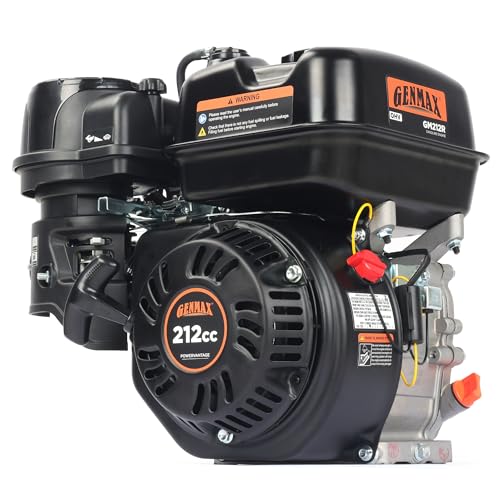
| GENMAX GM212R | Best support plan |
| $169.99as of Nov 17, 2026 1:03 pm EST | Buy now →Check current price |


Prices are Amazon’s listed prices as of the date and time shown and are subject to change; the price on Amazon at the time of purchase applies. As an Amazon Associate we earn from qualifying purchases.
Clone vs Branded Engines Compared
| Feature | Budget 212cc Clone | 196cc Racing Clone | Branded Original-Design Engine |
|---|---|---|---|
| Typical new price | $130–$300 | $250–$600 prepared | $400–$700+ |
| Quality consistency | Variable | Checked to class rules | High |
| Aftermarket parts | Very wide | Wide | Wide |
| Typical use | DIY karts, minibikes | Club racing classes | Commercial equipment, rental karts |
| Warranty and support | Varies by seller | Varies by builder | Manufacturer network |
Prices are rough ranges and change frequently. Racing-prepared engines vary most because builders add labor and parts.
Why Clones Are So Popular
Price is the main reason. A new clone engine often costs less than many single performance parts for other engines. Parts are cheap and interchangeable, and there is a large body of community knowledge about tuning them.
Clone engines are also easy to fit. Their common base pattern and 3/4-inch shaft match many kart engine plates, centrifugal clutches, and torque converters. This makes them a natural choice for builders following our go-kart building guide.
Clone Engines in Racing
Many local clubs, especially in US dirt oval and some sprint programs, run clone classes. These classes usually require a stock or lightly modified engine, often with technical inspection of components such as the carburetor, cam, valve springs, and head. The aim is affordable, close racing.
Rules vary significantly between clubs and organizations, so always read the current rulebook of the club or sanctioning body you plan to race with before buying or modifying an engine. Some classes require engines to be sealed by an approved builder. For a wider view of classes, see our guide to kart racing classes.
Cost of Running a Clone Engine
Beyond the engine itself, budget for a clutch or torque converter, chain and sprockets, throttle linkage, and an engine plate. A basic recreational setup typically totals a few hundred dollars. Performance upgrades such as carburetors, exhausts, air filters, cams, and billet flywheels add cost quickly. Our roundup of Predator 212 upgrades covers many parts that also fit other 212cc clones.
For racing, add the cost of a prepared or sealed engine, spare parts, fuel, and oil. Racing clone engines also need more frequent inspection and rebuilds.
How to Choose a Clone Go Kart Engine
Decide the use. For a yard kart, a budget 212cc clone is usually enough. For club racing, buy what the class rules require.
Check head type. If you plan to upgrade, confirm whether the engine is hemi or non-hemi and buy matching parts.
Check shaft size and keyway. Most kart-oriented clones use a 3/4-inch shaft with a 3/16-inch keyway, but always verify.
Look at the seller. Buy from sellers that offer support and parts. Quality varies between factories and batches.
Inspect on arrival. Check oil level, look for leaks, confirm that bolts are tight, and read the break-in instructions.
Common Clone Engine Upgrades
The clone platform is popular partly because it responds well to simple upgrades. The usual progression starts with breathing: a less restrictive air filter, an open or performance exhaust, and a rejetted or replacement carburetor to match the extra airflow. These are often called stage 1 upgrades and are the easiest to install.
Further steps include a performance camshaft, stronger valve springs, a billet flywheel, a billet connecting rod, and head work. Each step adds power and engine speed, but also cost, complexity, and wear. Gains vary widely depending on parts quality and tuning, so be skeptical of advertised horsepower figures that are not backed by consistent testing methods.
Before upgrading, check whether you plan to race. Many clone classes prohibit most of these parts, and an engine modified for recreational use may not be legal in any class. If you want both, keep a stock engine for racing and a modified one for fun.
Governors and Speed Limits
Most clone engines ship with a mechanical governor that limits engine speed. Removing or disabling it allows the engine to rev higher, but stock internal parts, especially the flywheel and connecting rod, may not be designed for those speeds. Builders who remove governors usually fit a billet flywheel and connecting rod to reduce the risk of failure. Our governor removal guide explains the risks and parts involved.
For young drivers or shared karts, leaving the governor in place is the safer choice.
Maintenance
Break in a new clone engine according to the manufacturer’s instructions, then change the oil early to remove manufacturing debris. Afterward, change oil regularly at the recommended interval and keep the air filter clean. Check valve lash periodically, since clones have adjustable rocker arms. Keep fuel fresh and use a stabilizer for storage.
Watch for oil leaks at the crankcase cover and valve cover gaskets, and check that the engine plate bolts remain tight. Vibration is the enemy of fasteners on any single-cylinder engine.
Pros and Cons
Clone engines dominate DIY karting for good reasons, but they have limitations.
Pros
- Very low purchase price
- Huge range of cheap aftermarket parts
- Common mounting pattern fits many kart plates
- Strong community knowledge for tuning and repair
Cons
- Quality varies between brands and batches
- Stock internals are not built for high revs
- Hemi and non-hemi parts are not always interchangeable
- Racing classes have strict rules on modifications
Frequently Asked Questions
What does clone engine mean?
Is the Predator 212 a clone engine?
Are clone engines reliable?
Can I race with a clone engine?
Do clone parts fit all 212cc engines?
Should I remove the governor on a clone engine?
Final Thoughts
A clone go kart engine is the most cost-effective way to power a DIY kart and a popular base for affordable club racing. Match the engine to your intended use, check head type before buying upgrades, respect rev limits, and follow the break-in and maintenance schedule. For more on engine choices, see our main go-kart engine guide.